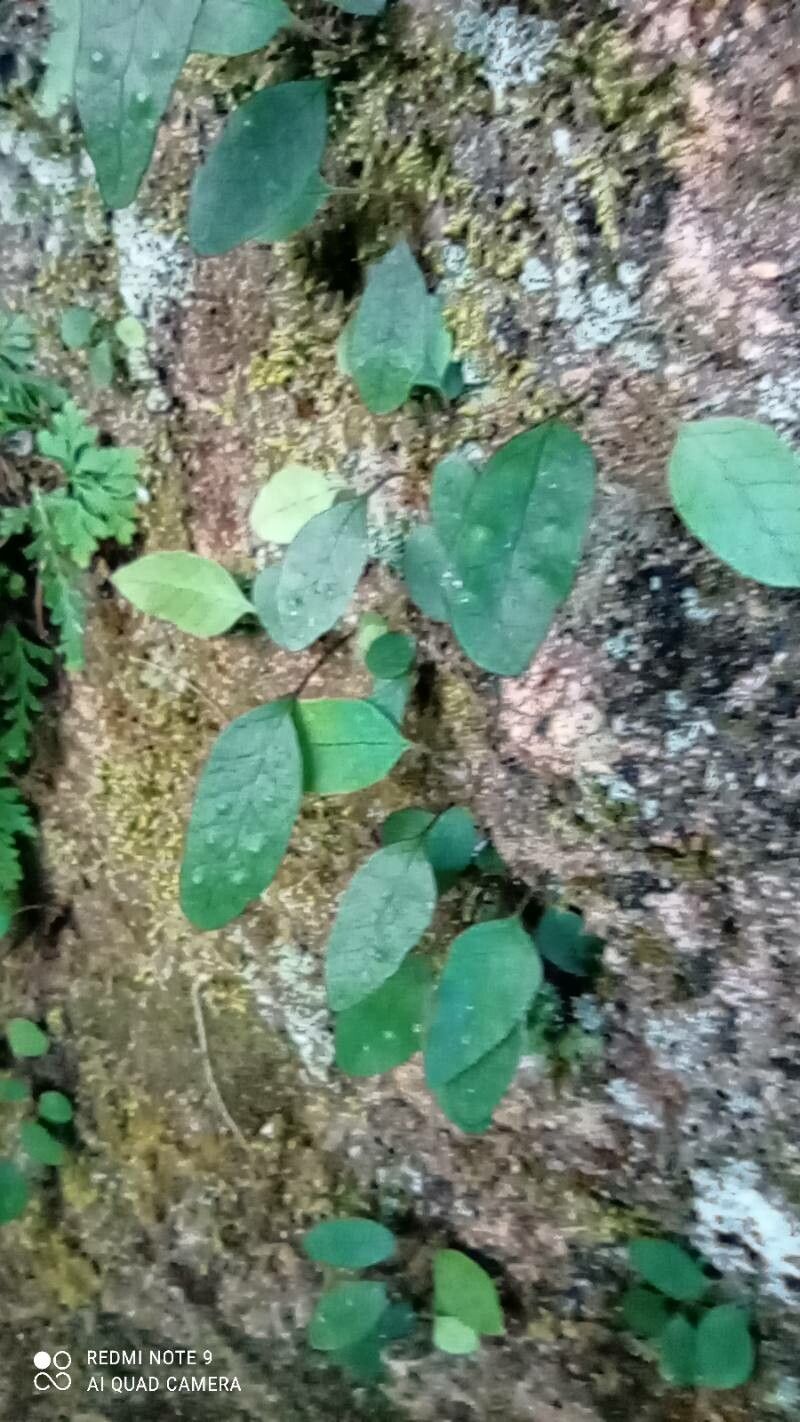
Oh, Selliguea hastata! You know, that gorgeous fern with the wonderfully architectural, arrowhead-shaped fronds? It’s a real stunner, isn’t it? I’ve been growing it for years, and honestly, bringing new ones to life from just a piece of the original is one of the most satisfying things in my garden. It’s not exactly a flash-in-the-pan plant; it’s more of a slow-burn beauty. And the best part? Propagating it is surprisingly achievable, even for those of you who might be just dipping your toes into the world of plant propagation.
The Best Time to Start
For Selliguea hastata, I find the sweet spot for propagating is definitely during its active growing season. Think late spring to early summer. The plant is bursting with energy then, so any new growth it puts out will be robust and ready to take root. Trying to do it when it’s a bit more dormant, like in the dead of winter, just doesn’t yield the same vibrant results.
Supplies You’ll Need
To get your Selliguea hastata propagation station set up, here’s what I usually gather:
- Sharp pruning shears or a clean knife: For making nice, clean cuts.
- Well-draining potting mix: A good orchid bark mix with some perlite or coco coir works wonders. Ferns hate soggy feet!
- Small pots or trays: Terracotta pots are great because they breathe.
- Rooting hormone powder (optional but recommended): Helps give those cuttings a little boost.
- Clear plastic bags or a propagator: To create a humid microclimate.
- Spray bottle: For misting.
- Water: Clean, room-temperature water.
Propagation Methods
There are a couple of ways we can coax new life from your Selliguea hastata. My preferred and most successful method is usually by division, but stem cuttings can also work.
Division
This is my go-to for ferns like Selliguea.
- Gently unpot your healthy, mature Selliguea hastata. Try not to disturb the roots too much.
- Look for natural divisions. You’ll often see clumps or rhizomes that are already starting to separate.
- Using your hands or a clean knife, carefully separate the clumps. Aim for each division to have at least a few healthy fronds and a good portion of the root system.
- Pot each division into its own small pot filled with your well-draining mix. Make sure the crown of the plant isn’t buried too deep.
- Water gently but thoroughly.
- Place the pots in a warm, bright spot out of direct sunlight.
- Cover each pot with a clear plastic bag or place them in a propagator. This is crucial for maintaining humidity. You can prop the bag open a bit to allow for some air circulation.
Stem Cuttings
If division isn’t an option, you can try stem cuttings, though I find it a bit more finicky with this particular fern.
- Select a healthy, vigorous frond that has emerged recently from the rhizome.
- Carefully cut it away from the parent plant, making sure to include a small piece of the rhizome attached to its base if possible. If you can’t get rhizome attached, don’t worry too much, but it can help.
- Trim the frond to about half its length, or even a third if it’s very large. This reduces water loss.
- Dip the cut end in rooting hormone powder, tapping off any excess.
- Plant the cutting about an inch deep in a pot filled with your gritty potting mix.
- Water gently and place in a propagator or cover with a plastic bag. Keep it out of direct sun.
The “Secret Sauce” (Pro Tips)
Here are a few little tricks I’ve learned over the years:
- Don’t let the foliage touch the water if you’re trying water propagation (though I don’t recommend it for Selliguea as much). For cuttings in soil, ensure the leaves aren’t constantly sitting on the damp soil surface, as this can encourage rot. Give them a little space.
- Bottom heat is your best friend. If you can, place your pots on a gentle heat mat designed for plants. This not only encourages root development but also helps keep the humidity up from the soil’s perspective. It’s a real game-changer for propagating trickier plants.
- Patience is key and humidity is everything. Ferns, and Selliguea especially, are humidity lovers. Don’t be tempted to lift that plastic bag too often. Let the environment inside do its work. Resist the urge to fuss!
Aftercare & Troubleshooting
Once your Selliguea hastata cuttings show signs of new growth – little fiddleheads emerging or increased vigor – that’s a good indicator that roots are forming. Gradually acclimate your new plants to lower humidity by opening the plastic bag a little more each day over a week or two. Continue to keep them in bright, indirect light and water when the top inch of soil feels dry.
The most common sign of trouble is rot. If you see fronds turning black and mushy or the cutting just seems to be wilting away, it’s usually a sign of too much moisture and not enough air circulation. If you catch it early, you might be able to salvage it by removing the affected parts and ensuring better drainage and air flow. If your cutting shrivels up and shows no signs of life after several weeks, it might just not have taken. Don’t discourage yourself; try again!
A Encouraging Closing
So there you have it! Propagating Selliguea hastata is a wonderfully rewarding journey. It might take a little time for those roots to establish, but with a bit of consistent care and a sprinkle of patience, you’ll soon have a whole new garden of these beautiful ferns to bless your home. Happy propagating, and enjoy watching new life unfold!
Resource: