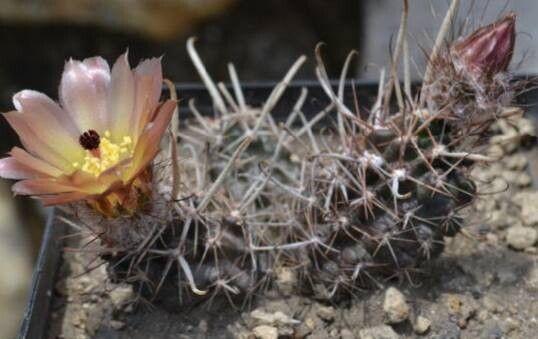
Well hello there, fellow plant enthusiast! It’s so lovely to have you join me today. Have you ever seen an Austrocactus ferrarii and just… fallen in love? I know I have. Its unique, segmented stems and charming little flowers are truly something special. And the best part? Bringing more of these beauties into your life through propagation is incredibly rewarding. Don’t worry, while Austrocactus ferrarii might seem a bit exotic, I find propagating it to be quite accessible. Even if you’re just dipping your toes into the world of plant babies, you can absolutely do this!
When to Get Your Hands Dirty
The absolute best time to propagate Austrocactus ferrarii is during its active growing season. Think spring and early summer. This is when the plant is full of energy and ready to sprout new roots. You’ll get the healthiest cuttings and the highest success rate then, hands down. Waiting for this vibrant period will make all the difference.
What You’ll Need to Get Started
Gathering your supplies is half the fun, right? Here’s what I always have on hand:
- Sharp Pruning Shears or a Clean Knife: For making clean cuts. Sterilize them with rubbing alcohol to prevent disease!
- Well-Draining Potting Mix: A cactus or succulent mix is perfect. You can also create your own by mixing equal parts potting soil, perlite, and coarse sand.
- Small Pots or Seedling Trays: Something that will hold your cuttings comfortably. Make sure they have drainage holes!
- Gravel or Small Rocks: For a decorative (and functional!) top layer to prevent stem rot.
- Rooting Hormone (Optional but Recommended): This can give your cuttings a lovely boost. Look for one specifically for succulents.
- Watering Can or Spray Bottle: For gentle watering.
Let’s Talk Propagation Methods
For Austrocactus ferrarii, my go-to method is stem cuttings. It’s straightforward and usually yields fantastic results.
- Take Your Cutting: With your sterilized shears or knife, carefully select a healthy segment from your mature plant. Make a clean cut right where one segment joins another. You want a healthy, firm piece – no mushy bits allowed!
- Let It Callus: This is a SUPER important step! Place your cutting in a dry, airy spot away from direct sunlight for 2-3 days, or even a week. You want the cut end to form a dry, protective layer (a callus). This prevents rot when you plant it. Trust me on this one!
- Prepare for Planting: Once callused, you can optionally dip the cut end into rooting hormone. Give it a gentle shake to remove any excess.
- Plant Your Cutting: Fill your small pot with your well-draining potting mix. Make a small hole in the center with your finger or a pencil. Gently insert the callused end of your cutting into the hole. You want it to stand upright, so don’t plant it too deeply. A little bit of support with stones can help if it’s wobbly.
- Water Sparingly: This is where we tread carefully. Do NOT water immediately after planting. Wait about another 3-5 days. When you do water, do it very gently. I like to use a spray bottle to mist the soil around the cutting, or a very fine stream from a watering can. The goal is to barely dampen the soil, not to soak it. You want it just moist enough to encourage root growth.
The “Secret Sauce” – My Insider Tips
Now, as your garden friend, I have a few little tricks up my sleeve that tend to make all the difference.
- Bottom Heat is Your Friend: If you have a heat mat designed for seedlings or propagation, gently placing your potted cuttings on it can work wonders. Warmth encourages faster root development. Just make sure it’s not too hot – you don’t want to cook your little ones!
- Don’t Crowd Them: Give each cutting its own space. Overcrowding can lead to poor air circulation and increase the risk of fungal issues. Each little guy needs room to breathe and establish itself.
- Patience is an Art, Not a Hobby: I know it’s like waiting for paint to dry sometimes, but resist the urge to constantly tug on your cuttings to check for roots. You’ll disturb any delicate new growth. Give it at least 3-4 weeks, and often longer, before you gently test for resistance.
Aftercare and Troubleshooting: Nurturing Your Newcomers
Once you feel a bit of resistance when you gently tug – congratulations, you should have roots! This is the moment we’ve been waiting for.
Continue to water sparingly, allowing the soil to dry out slightly between waterings. You’ll start to see new growth appearing, which is the best sign that your new Austrocactus ferrarii is happy and healthy.
What about problems? The most common one you’ll encounter is rot. If your cutting looks mushy, discolored, or starts to fall apart, it’s usually a sign of too much moisture. Unfortunately, with rot, it’s often beyond saving. Prevention through proper callusing and judicious watering is key here. Another sign of distress might be wilting or shriveling, which could mean it’s too dry, or that it hasn’t rooted and is simply running out of its initial reserves.
Go Forth and Grow!
See? It’s not as daunting as it might seem, is it? Propagating Austrocactus ferrarii is a deeply satisfying part of gardening. It’s about patience, observation, and a little bit of faith in nature. Enjoy the process, be gentle with your new plant babies, and before you know it, you’ll have a whole clan of these beautiful cacti to admire and share. Happy propagating!
Resource: