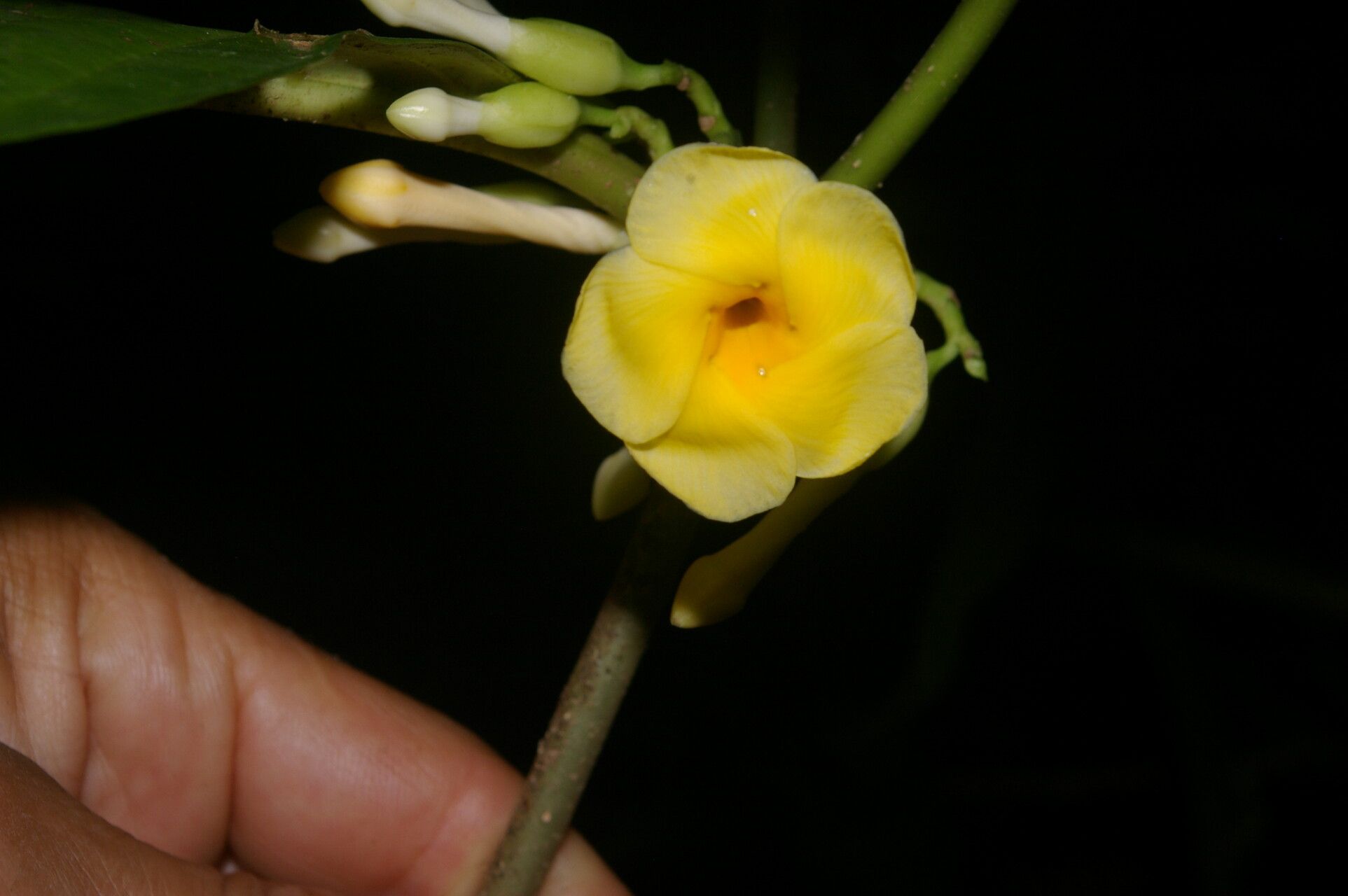
Hey there, fellow plant lovers! Today, we’re diving into the delightful world of Tabernaemontana pauli. If you’ve ever admired its glossy, deep green leaves and the exquisite, fragrant white blooms that unfurl like delicate stars, you’re not alone. This tropical beauty, often called “Paul’s Milkweed” or “Pinwheel Flower,” brings a touch of the exotic right into our homes. And the best part? You can easily multiply its charm by propagating it yourself!
For those just starting their plant journey, propagating Tabernaemontana pauli is wonderfully achievable. It’s not a fussy diva; it’s quite forgiving, which makes it a really rewarding experience to watch those little roots take hold and a new plant begin its life.
The Best Time to Start
When it comes to getting the most success, I find that spring and early summer are your golden windows. This is when the plant is actively growing and has plenty of energy to put into rooting. Look for new, but not too soft, growth on your existing plant. These are your prime candidates for cuttings.
Supplies You’ll Need
Before we get our hands dirty, let’s gather our tools:
- Sharp pruning shears or a clean knife: For making clean cuts.
- Rooting hormone (optional but recommended): EncouragesFaster root development.
- Potting mix: A well-draining mix is key. I like a blend of peat moss, perlite, and a little bit of compost.
- Small pots or propagation trays: Clean and with drainage holes!
- Plastic bag or propagation dome: To maintain humidity.
- Watering can with a fine rose: For gentle watering.
Propagation Methods: Stem Cuttings
This is my go-to method for Tabernaemontana pauli. It’s straightforward and usually yields excellent results.
- Select Healthy Stems: Look for stems that are about 4-6 inches long. They should have a few sets of leaves and feel firm, not floppy. Avoid old, woody stems or brand new, super soft growth.
- Make the Cut: Using your clean shears or knife, make a clean cut just below a leaf node. A leaf node is that little bump where a leaf attaches to the stem. This is where roots love to emerge!
- Prepare the Cutting: Gently remove the lower leaves, leaving just one or two at the very top. This prevents them from rotting in the soil. If the remaining leaves are very large, you can cut them in half horizontally to reduce water loss.
- Apply Rooting Hormone (Optional): Dip the cut end of the stem into your rooting hormone powder, tapping off any excess.
- Plant Your Cuttings: Fill your small pots with your well-draining potting mix. Make a pilot hole with your finger or a pencil for the cutting. Gently insert the cutting into the hole, ensuring the leaf nodes are buried. Firm the soil gently around the stem.
- Provide Humidity: Water the soil gently. Then, cover the pot with a clear plastic bag or a propagation dome. This creates a mini-greenhouse effect, keeping the humidity high, which is crucial for cuttings. Make sure the leaves aren’t touching the plastic if possible.
- Placement: Place the pots in a bright location, but out of direct sunlight. A spot on a windowsill that gets bright, indirect light is perfect.
The “Secret Sauce” (Pro Tips)
Here are a few little tricks I’ve picked up over the years that really make a difference:
- Bottom Heat is Your Friend: If you can, place your potted cuttings on a heat mat. This gentle warmth from below encourages root development much faster than just ambient room temperature. It’s like giving your cuttings a cozy foot rub!
- Wash Your Tools (Seriously!): I can’t stress this enough. Always use clean tools. Disease can spread incredibly quickly, and a clean cut is less likely to harbor any nasties. A quick wipe with rubbing alcohol between stems is a good habit.
- Don’t Drench, Just Moisten: It’s tempting to water deeply, but overwatering is the quickest way to rot your cuttings. Aim for consistently moist soil, not soggy. I often give them a light misting with water if the soil surface looks dry.
Aftercare & Troubleshooting
Once those little roots start to form, you’ll see them peeking out of the drainage holes or notice the plant resisting a gentle tug. This is your cue to ease them out of their humid environment gradually.
- Acclimatization: For the first week, remove the plastic bag for a few hours each day, gradually increasing the time until you can remove it completely.
- Watering: Once roots are established, water as you would a mature Tabernaemontana pauli – letting the top inch of soil dry out between waterings.
- Signs of Failure: The most common problem is rot. If your cutting turns black and mushy, or the leaves quickly yellow and drop without any sign of rooting, it’s likely succumbed to rot, usually from too much moisture. If you see this, discard the cutting and start fresh, ensuring your soil is lighter and you’re not overwatering. Sometimes, the cutting just doesn’t take; it happens to the best of us! Don’t get discouraged.
A Encouraging Closing
Propagating plants is an act of hope and patience. It’s a wonderful way to share the joy of gardening and to fill your space with more of the plants you love. Be patient with your cuttings; sometimes it takes a few weeks for roots to appear. Celebrate each success, learn from each setback, and most importantly, enjoy the process of nurturing new life. Happy propagating!
Resource: