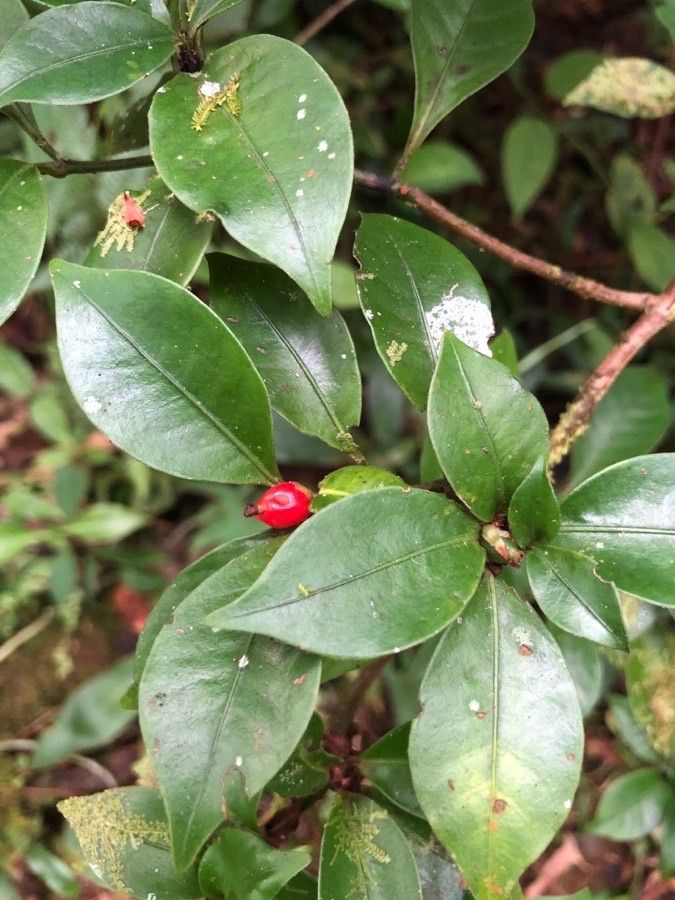
Hello fellow plant enthusiasts! If you’re anything like me, you probably have a soft spot for striking foliage and maybe a touch of the exotic. That’s where Psychotria chagrensis comes in. Its beautiful, glossy leaves and potential for vibrant flowers make it a real showstopper in any indoor jungle. Propagating this gem is a fantastic way to expand your collection and share its beauty with friends. Don’t let its slightly less common status intimidate you; with a few key techniques, you’ll be well on your way to success. It’s definitely achievable, even for those just dipping their toes into propagation.
When to Get Your Hands Dirty
The absolute best time to propagate Psychotria chagrensis is during its active growing season, which typically falls in the spring and early summer. You’re looking for healthy, mature stems that are not actively flowering. This is when the plant has the most energy reserves to dedicate to developing new roots. Trying to propagate when the plant is dormant or stressed is a recipe for disappointment.
Your Propagation Toolkit
Gathering the right supplies makes all the difference. Here’s what you’ll want to have on hand:
- Sharp Pruning Shears or a Clean Knife: For making clean cuts.
- Rooting Hormone (Optional, but Recommended): A powder or gel helps encourage root development.
- Well-Draining Potting Mix: A blend of peat moss, perlite, and a little compost works wonders. You can also use a specialized seedling or cutting mix.
- Small Pots or Propagation Trays: Choose pots that are about 3-4 inches in diameter for cuttings.
- Plastic Bags or a Clear Dome: To create a humid environment for your cuttings.
- Watering Can or Spray Bottle: For gentle watering.
- Labeling Stakes: To keep track of your plants and dates!
Bringing New Life: Propagation Methods
Let’s get down to business! The most reliable way to propagate Psychotria chagrensis is through stem cuttings.
1. Taking the Cuttings:
Find a healthy, non-flowering stem. Using your sharp shears or knife, make a clean cut just below a leaf node. A leaf node is that little bump on the stem where a leaf attaches. This is where roots are most likely to form. Aim for cuttings that are about 4-6 inches long. Remove the lower leaves, leaving just a couple of sets of leaves at the top. If the top leaves are very large, you can even cut them in half horizontally. This reduces water loss.
2. Applying Rooting Hormone:
Lightly moisten the cut end of the stem, then dip it into your rooting hormone powder or gel. Tap off any excess. This step is optional, but it really gives your cuttings a boost.
3. Planting Your Cuttings:
Fill your small pots with your well-draining potting mix. Make a hole in the center with your finger or a pencil. Gently insert the cut end of your Psychotria chagrensis cutting into the hole, ensuring that at least one leaf node is below the soil surface. Firm the soil gently around the stem.
4. Creating a Humid Environment:
Water the soil lightly until it’s evenly moist but not waterlogged. Now, cover the pot with a clear plastic bag or a propagation dome. Make sure the plastic doesn’t touch the leaves too much. You can use stakes to prop it up if needed. Place the pot in a warm spot with bright, indirect light.
The “Secret Sauce”: What Experienced Gardeners Know
Here are a few little tricks that can make a big difference:
- Bottom Heat is Your Friend: Psychotria chagrensis absolutely loves a little warmth from below. Placing your pots on a heat mat designed for seedlings can significantly speed up root development. It mimics the conditions of spring soil and encourages that initial root push.
- Don’t Drown Them! While humidity is crucial, overwatering is the kiss of death for cuttings. Let the top inch of soil dry out slightly between waterings. You’ll get a feel for it, but it’s better to err on the side of slightly too dry than too wet. Check regularly by gently touching the soil.
- Patience, Patience, Patience: Some plants show roots in a few weeks, others take a couple of months. For Psychotria chagrensis, give it time. Don’t be tempted to pull it up to check for roots too often; you could damage tender new growth. Wait at least 4-6 weeks before gently tugging to feel for resistance.
A Tender Loving Care: Aftercare and What to Watch For
Once you start to feel resistance when you gently tug on your cutting, or if you see new leaf growth emerging, congratulations! Your Psychotria chagrensis has likely rooted.
- Gradual Acclimation: Slowly start to remove the plastic cover over a week or so. This allows the new plant to adjust to normal room humidity.
- Continue Watering: Keep the soil consistently moist but not soggy.
- Light Feeding: Once you see significant new growth, you can start feeding with a diluted liquid fertilizer every 4-6 weeks during the growing season.
Troubleshooting: The most common sign of failure is rot. This usually happens from too much moisture and poor air circulation. Your cutting will likely turn mushy and dark at the base. If you see this, unfortunately, it’s best to discard and start again. Yellowing leaves on a propagated cutting can sometimes mean it’s not getting enough light, or it’s struggling to establish. Keep an eye on things!
So there you have it! Propagating Psychotria chagrensis is a deeply rewarding journey. It’s a chance to witness life unfolding, to nurture something new from a small piece of your existing plant. Be patient with the process, enjoy the small victories, and before you know it, you’ll have a whole new family of these beautiful plants to admire and share. Happy growing!
Resource:
https://identify.plantnet.org/k-world-flora/species/Psychotria%20chagrensis%20Standl./data