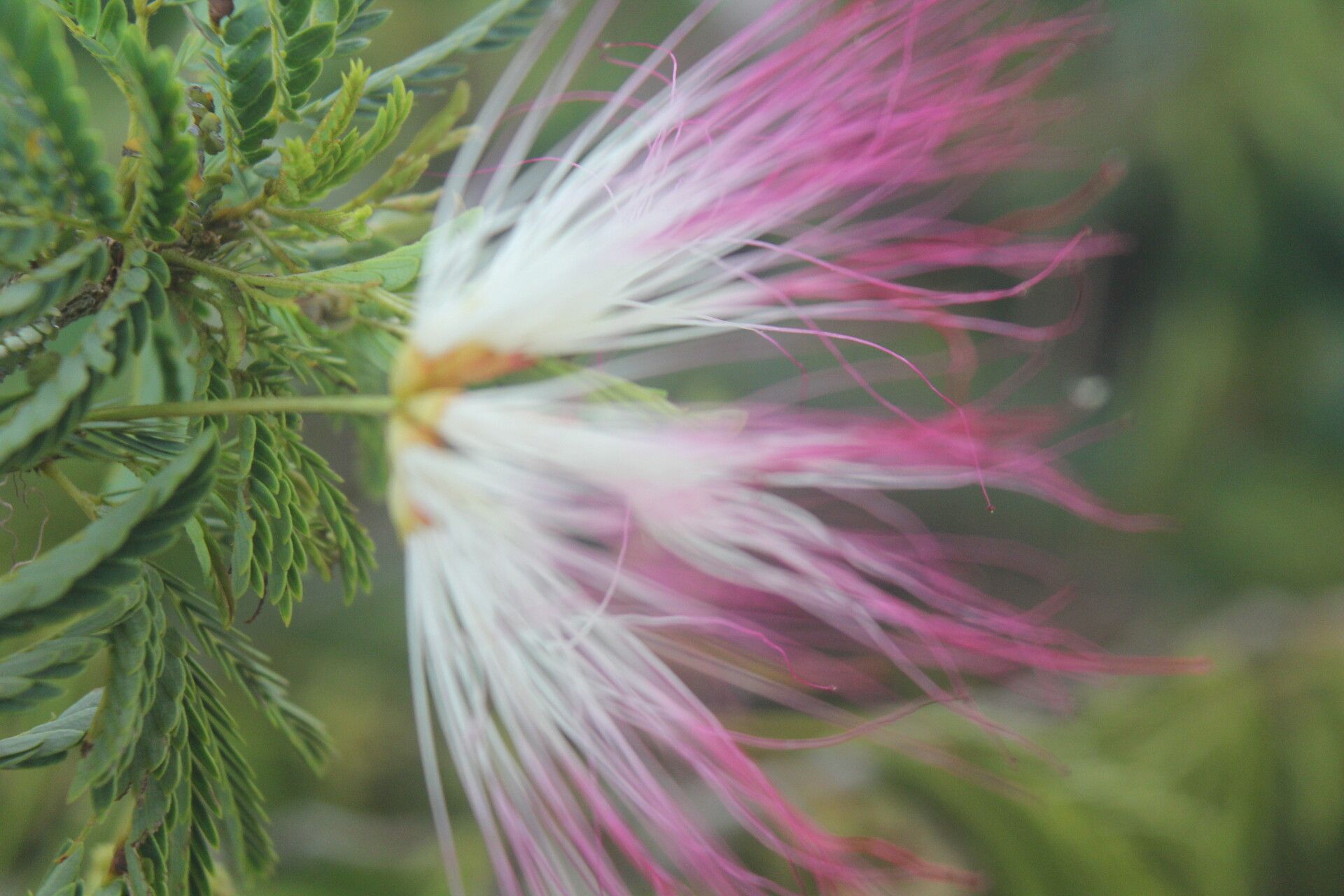
Oh, hello there! It’s always a joy to chat about a plant that brings so much life and color to our gardens. Today, we’re diving into the wonderful world of propagating Calliandra rubescens, also known as the pink powder puff. If you’ve ever seen its delicate, blush-pink blooms fluffing up like tiny pom-poms, you know why it’s such a treasure. And the best part? You can easily multiply this beauty yourself! Sharing cuttings with friends or filling your own space with more of these charming plants is incredibly satisfying. Don’t let the fancy name fool you; Calliandra rubescens is a pretty forgiving plant to propagate, making it a great project for both seasoned gardeners and those just finding their green thumb.
The Best Time to Start
For the biggest success, I always recommend starting your propagation efforts when the plant is actively growing. This generally means late spring or early summer. The warmer temperatures and longer daylight hours give those cuttings the energy they need to root. Look for stems that are not too old and woody, but not brand new and floppy either. Think of a stem that’s firm but has a bit of flexibility – a perfect stage for taking cuttings.
Supplies You’ll Need
Gathering your supplies beforehand makes the whole process smoother. Here’s what I usually have on hand:
- Sharp, clean pruning shears or a sharp knife: For making clean cuts. This is crucial!
- Rooting hormone powder or gel: While some plants root without it, Calliandra rubescens really benefits from a little help.
- Small pots or trays: About 4-inch pots are usually a good size. Make sure they have drainage holes.
- Well-draining potting mix: A blend of equal parts perlite, peat moss, and coarse sand works wonderfully. You can also buy a good quality seed-starting mix.
- Plastic bags or a propagator: To create a humid environment for your cuttings.
- Water: For misting.
- Optional: Heat mat: This can significantly speed up rooting, especially if your ambient temperatures are a bit cooler.
Propagation Methods: Stem Cuttings
Stem cuttings are my go-to method for Calliandra rubescens. It’s straightforward and yields great results.
- Take Your Cuttings: On your chosen active growth day, select a healthy stem. Using your clean shears or knife, take a cutting that’s about 4 to 6 inches long. Make the cut just below a leaf node (where a leaf attaches to the stem).
- Prepare the Cutting: Gently strip off the lower leaves from the cutting, leaving just a few at the very top. This prevents them from rotting in the soil. If your leaves are quite large, you can even cut them in half horizontally to reduce water loss.
- Apply Rooting Hormone: Dip the cut end of the stem into your rooting hormone powder or gel. Tap off any excess.
- Plant Your Cuttings: Fill your small pots with your prepared potting mix. Make a small hole in the center of the soil with your finger or a pencil. Insert the rooting hormone-coated end of the cutting into the hole, ensuring it’s deep enough to be stable. Gently firm the soil around the cutting.
- Create Humidity: Water the soil lightly. Then, cover the pot with a clear plastic bag or place it in a propagator. Ensure the leaves don’t touch the sides of the bag. You want to trap that moisture!
The “Secret Sauce” (Pro Tips)
Here are a few little tricks that have made a world of difference for me over the years:
- Bottom Heat is Your Friend! If you have a heat mat, place your pots on it. This gentle warmth from below encourages root development like nothing else. You’ll see roots form much faster and more reliably.
- Don’t Drown Your Cuttings! While humidity is key, soggy soil is the enemy. Water just enough to make the soil consistently moist, but not waterlogged. Overwatering leads to rot, which is heartbreaking. A good squeeze of the soil in your hand should yield just a few drops of water, not a steady stream.
- Patience is a Virtue (and it Pays Off!): Sometimes, you might feel like nothing is happening. Don’t give up too soon! It can take anywhere from 4 to 8 weeks for cuttings to root. Give them the time and consistent environment they need.
Aftercare & Troubleshooting
Once you think your cuttings have rooted (you might see new leaf growth or feel a gentle tug when you lightly pull on the cutting), it’s time for a little adjustment.
Gradually acclimate your cuttings to normal room humidity. Start by opening the plastic bag for a few hours each day. If you see healthy new growth, that’s a good sign roots have formed. You can then transplant any well-rooted cuttings into slightly larger pots with a good quality potting mix. Continue to keep them in a bright spot, out of direct, scorching sun, and water as needed.
The most common issue you’ll encounter is rot. If a cutting turns black and mushy, it’s a sign of too much moisture or not enough air circulation. If you catch it early, you might be able to salvage a healthier part of the stem. Another sign of failure is if the cutting wilts and never recovers after a few weeks, even with consistent moisture and humidity. This often means it just didn’t take. Don’t be discouraged by a few losses; it’s all part of the learning process!
A Little Something to Grow On
Propagating Calliandra rubescens is such a rewarding experience. Watching those tiny cuttings transform into independent plants is pure magic. Be patient, trust the process, and enjoy the journey of nurturing new life. Happy propagating!
Resource: