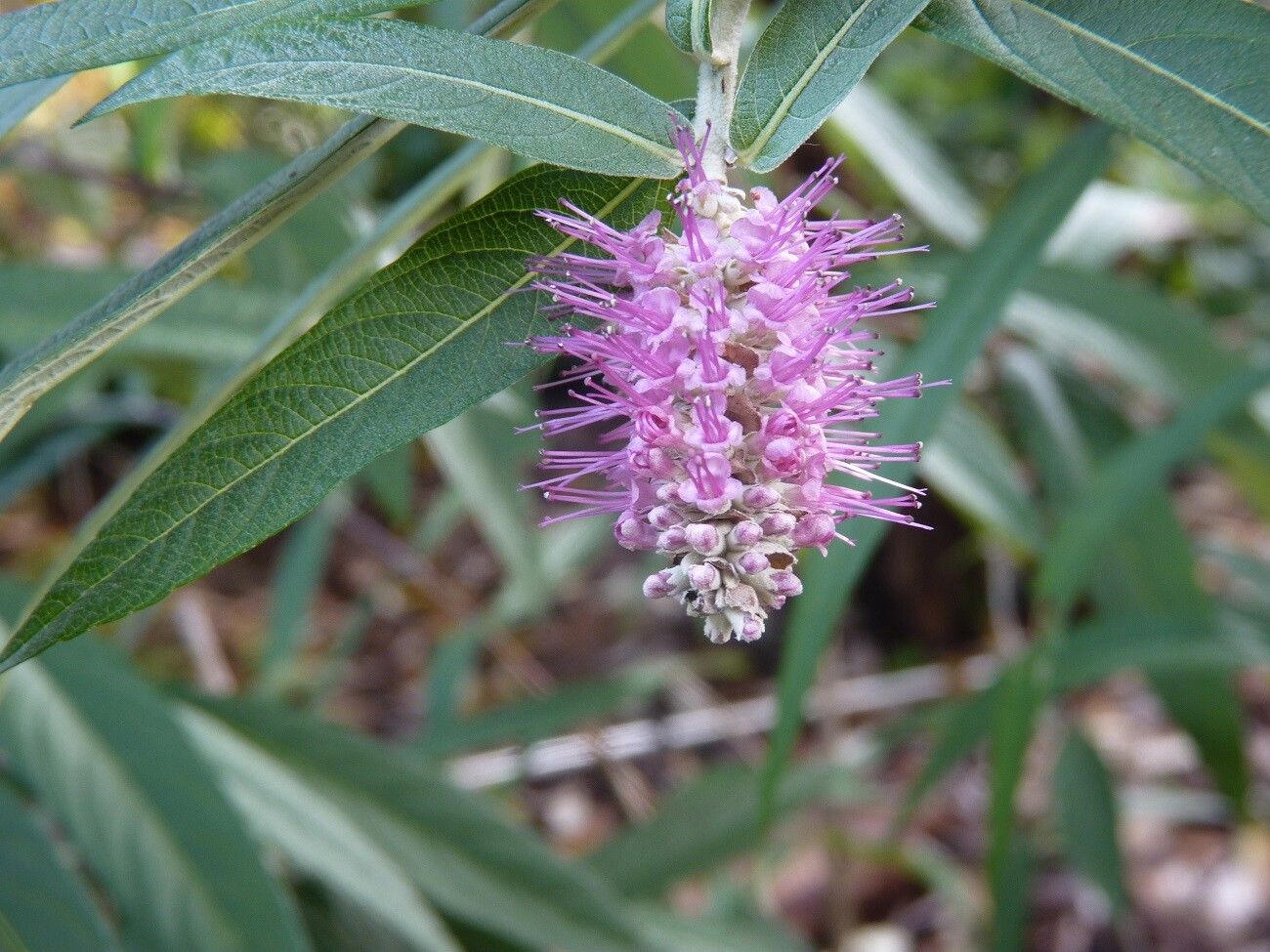
Hello, fellow plant lovers! I’m so excited to chat with you today about a truly gem of a plant: Rostrinucula dependens. If you’re looking for a touch of delicate charm in your garden or on your windowsill, this is it. Its graceful, arching stems adorned with charming little flowers are just lovely. And the best part? Taking cuttings and watching a new plant spring to life is incredibly satisfying. For those just starting out, I’d say Rostrinucula dependens is a moderately easy plant to propagate. A little patience goes a long way!
The Best Time to Start
Timing is everything, as you know! For Rostrinucula dependens, the prime time to take cuttings is in late spring to early summer. This is when the plant is actively growing and has plenty of energy to put into forming new roots. If you miss that window, don’t fret! You can often get away with it in early autumn as well, provided you have a warm, bright spot indoors to nurse them through. Watch for stems that are firm but not woody – that’s your sweet spot.
Supplies You’ll Need
Gathering your tools before you begin makes the whole process so much smoother. Here’s what I always have on hand:
- Sharp, clean pruning shears or a knife: For making neat cuts.
- Rooting hormone powder (optional but helpful): Encourages faster root development.
- A sterile potting mix: I like a blend of equal parts peat moss and perlite, or a good quality seed-starting mix.
- Small pots or seedling trays: With drainage holes, of course!
- A spray bottle: For misting.
- Plastic bags or a propagation dome: To create a humid environment.
- Labels: So you don’t forget what you planted!
Propagation Methods
Rostrinucula dependens is happy to propagate from stem cuttings. It’s the most reliable method for me.
- Take Your Cuttings: Select a healthy stem that’s about 4-6 inches long. Make a clean cut just below a leaf node (where the leaf meets the stem). This is where the magic happens for rooting.
- Prepare the Cuttings: Gently remove the lower leaves, leaving just a few at the top. If your leaves are quite large, you can even cut them in half horizontally to reduce water loss.
- Apply Rooting Hormone (Optional): Dip the cut end into your rooting hormone powder, tapping off any excess.
- Plant Your Cuttings: Fill your pots with your prepared potting mix. Make a small hole with your finger or a pencil, and gently insert the cutting. Firm the soil around the stem to ensure good contact, but don’t pack it down too hard.
- Water Gently: Water the soil thoroughly until you see water draining from the bottom.
- Create Humidity: Cover the pot loosely with a clear plastic bag, or place it inside a propagation dome. This keeps the moisture in. Open it up for a few minutes each day to allow for air circulation and prevent fungal diseases.
The “Secret Sauce” (Pro Tips)
Here are a couple of things I’ve learned over the years that seem to make a big difference for these beauties:
- Bottom Heat is Your Friend: If you have a seedling heat mat, placing your pots on it can significantly speed up root formation. It mimics that lovely warmth of spring soil.
- Patience is Key with Watering: While you want the soil to stay moist, it absolutely must not be soggy. Overwatering is the quickest way to lose your cuttings to rot. Let the surface of the soil just start to feel dry before watering again.
Aftercare & Troubleshooting
Once your cuttings have developed a good root system – you can gently tug on them and feel resistance, or you might even see roots peeking out the drainage holes – it’s time to treat them like little seedlings. Gradually acclimate them to lower humidity by removing the plastic cover for longer periods each day. Water them when the top inch of soil is dry.
The most common problem you’ll encounter is rot. If a cutting turns black and mushy, it’s a sign of too much moisture and not enough air circulation. Unfortunately, that one is usually a goner, but don’t get discouraged! Just start again with fresh cuttings and be mindful of your watering. Another sign of trouble is wilting that doesn’t perk up after watering – this could also indicate a rot issue or very dry soil.
A Encouraging Closing
Propagating Rostrinucula dependens is a wonderfully rewarding journey. Watching those tiny roots emerge, a sign of new life taking hold, is truly a special feeling. Be patient with yourself and with your cuttings. Every gardener has had their share of failed attempts – it’s all part of the learning process! Enjoy the simple joy of nurturing something new into existence. Happy planting!
Resource:
https://identify.plantnet.org/k-world-flora/species/Rostrinucula%20dependens%20(Rehder)%20Kudô/data