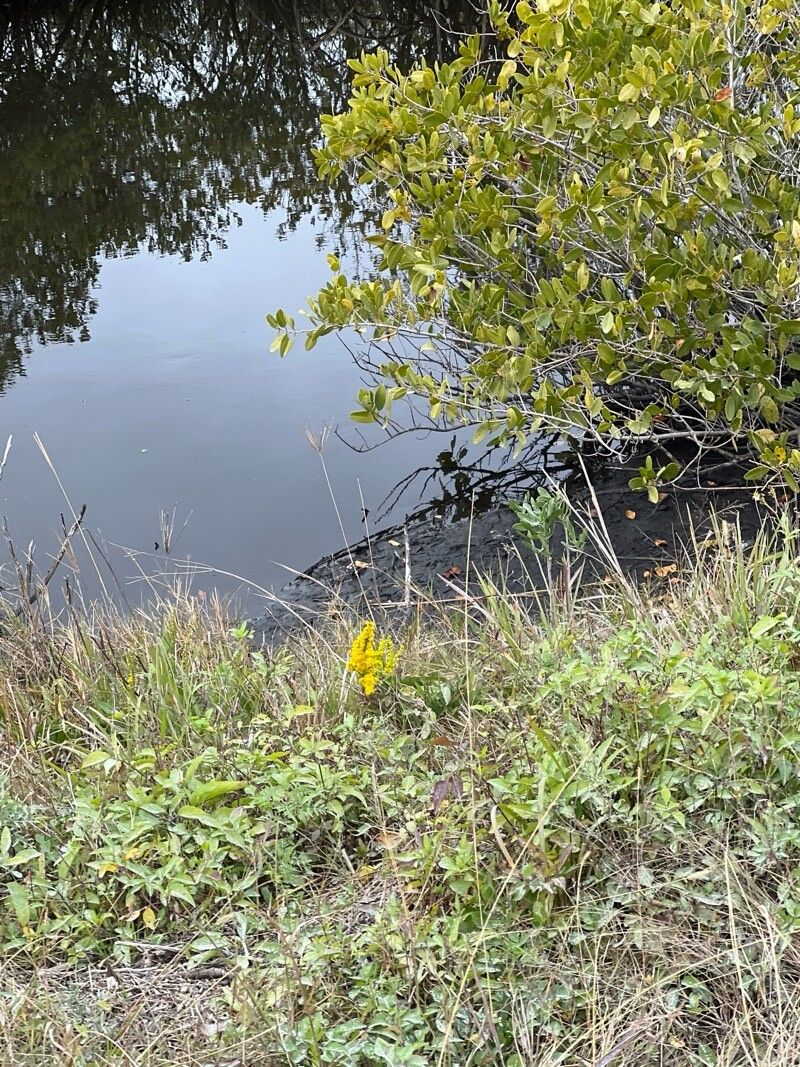
Hello fellow garden enthusiasts! Today, we’re diving into the wonderful world of propagating Solidago fistulosa, also known as hollow-stemmed goldenrod. If you’ve ever admired those cheerful, sunny yellow plumes gracing a meadow or a wildflower garden, you’re in for a treat. Propagating goldenrod is incredibly rewarding, and I’m happy to tell you it’s quite beginner-friendly. You’ll be filling your garden with these native beauties in no time!
The Best Time to Start
For Solidago fistulosa, I find the late spring to early summer is truly the sweet spot. This is when the plant is actively growing but hasn’t yet put all its energy into flowering. You’re looking for healthy, non-flowering stems that are young and flexible. Trying to propagate when the plant is dormant or already in full bloom just doesn’t yield the same enthusiastic results.
Supplies You’ll Need
Here’s what you’ll want to have on hand:
- Sharp pruning shears or a clean knife: For making nice, clean cuts.
- Peat-free potting mix: A good quality mix that drains well is crucial. I often add a bit of coarse sand to mine.
- Perlite or grit: To improve drainage even further.
- Small pots or seed trays: Clean ones, of course!
- Rooting hormone powder (optional but recommended): This can give your cuttings a real boost.
- Plastic bags or a propagation dome: To create a humid environment.
- Watering can with a fine rose: Gentle watering is key.
Propagation Methods
While Solidago fistulosa can be grown from seed, my favorite and most reliable method is through stem cuttings or division.
Stem Cuttings: A Tried and True Method
- Take your cuttings: In late spring or early summer, select healthy stems that are about 4-6 inches long. Make a clean cut just below a leaf node (where the leaves attach to the stem).
- Prepare the cuttings: Gently remove the leaves from the bottom two-thirds of the stem. If you have larger leaves, you can even cut them in half horizontally to reduce water loss.
- Dip in rooting hormone: If you’re using rooting hormone, dip the cut end of each stem into the powder. Tap off any excess.
- Plant your cuttings: Fill your pots with your well-draining potting mix. Make a small hole with a pencil or your finger and insert the cutting, ensuring the leaf nodes are in the soil. Firm the soil gently around the base.
- Create a humid environment: Water the soil lightly, then cover the pot with a plastic bag, making sure it doesn’t touch the leaves too much, or use a propagation dome. Place the pot in a bright location but out of direct, scorching sunlight.
Division: For Established Plants
If you have a mature Solidago fistulosa plant, division is a wonderfully simple way to get more.
- Dig up the plant: In early spring, before new growth really takes off, carefully dig up the entire plant.
- Separate the divisions: Gently shake off excess soil. You should be able to see natural divisions or crowns. Using your hands or a clean spade, carefully pull or cut the plant into smaller sections. Each division should have roots and at least one healthy shoot.
- Replant: Immediately replant your divisions in well-prepared soil, watering them thoroughly.
The “Secret Sauce” (Pro Tips)
Here are a couple of things I’ve learned over the years that can make a big difference:
- Don’t let the leaves touch the water (if water propagating): While I prefer soil propagation for goldenrod, if you ever try water propagation with other plants, remember this rule. Submerged leaves will rot, which can take down the whole cutting.
- Bottom heat is your friend: If you’re struggling with root development, a little warmth from below can truly speed things up. A propagation mat placed under your pots provides gentle bottom heat that encourages root growth. You’ll often see them establish themselves much faster.
Aftercare & Troubleshooting
Once your cuttings have developed roots (you can gently tug on them – if there’s resistance, they’ve rooted!), it’s time to give them a bit more space.
- Gradually acclimate: If you used a plastic bag, slowly start opening it up over a few days to let the humidity decrease gradually. This prevents shock.
- Watering: Keep the soil consistently moist but not waterlogged. As the plants grow and become more established, you can water them as you would your other potted plants.
- Transplanting: Once the new plants have a good root system and are showing healthy new growth, you can transplant them into larger pots or directly into your garden.
The most common issue you might encounter is rot. This usually happens from overwatering or poor drainage. If you see your cuttings wilting, turning mushy, or developing black spots, it’s a sign of too much moisture. Don’t be discouraged! Remove the affected cutting, check your soil for drainage, and adjust your watering schedule.
A Warm Hug from Your Garden
There you have it! Propagating Solidago fistulosa is a truly delightful gardening activity. Be patient with your new little plants – they’ll let you know when they’re ready. Enjoy the journey of nurturing them, and soon you’ll have a garden bursting with that glorious goldenrod sunshine. Happy gardening!
Resource:
https://identify.plantnet.org/k-world-flora/species/Solidago%20fistulosa%20Mill./data