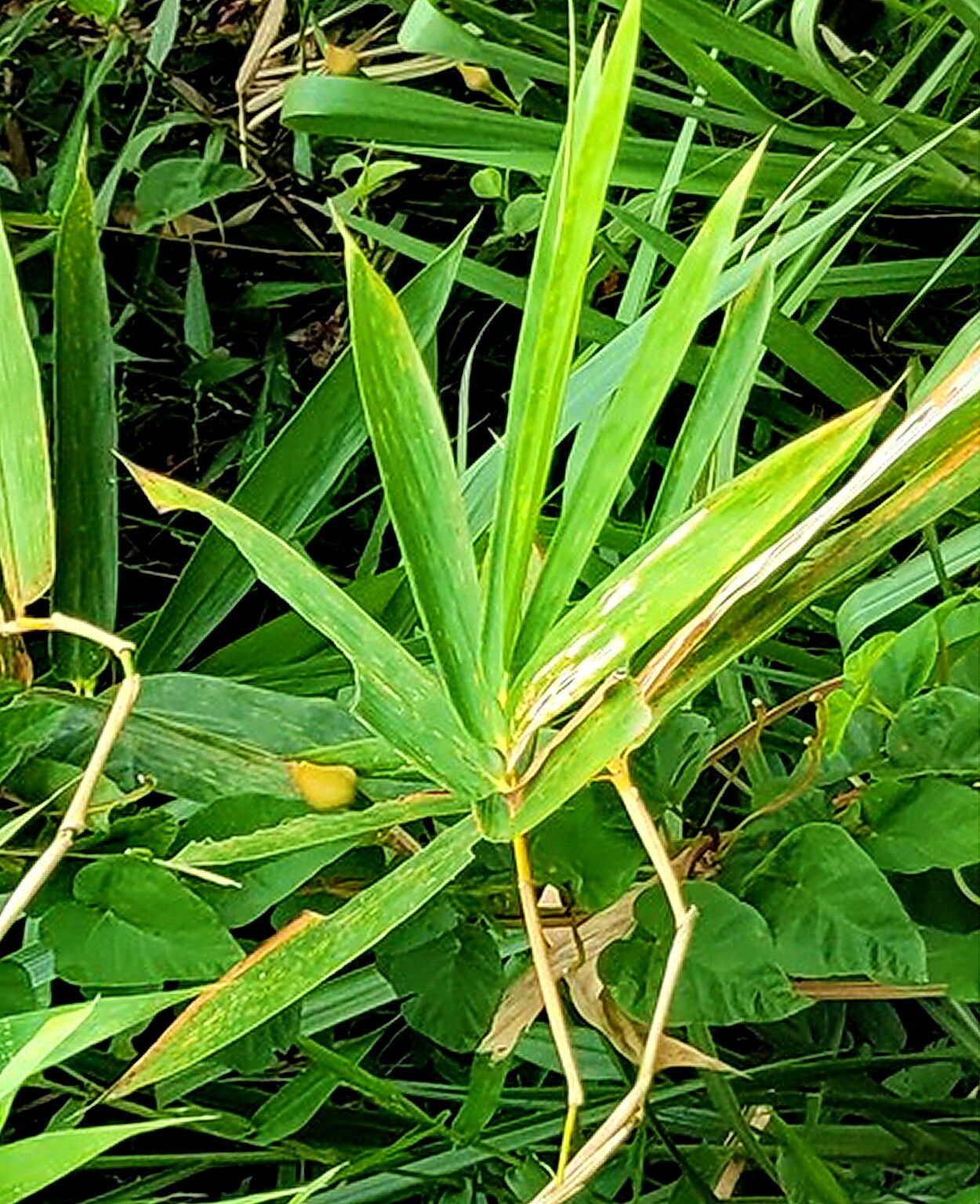
Hello, fellow plant lovers! Today, I want to chat about a real showstopper in my garden: Operculina hamiltonii. You know, that gorgeous vine with those big, trumpet-shaped flowers that usually pop open in the late afternoon and last through the night. They have this lovely pale yellow to creamy white color, sometimes with a subtle blush. Watching them unfurl is just pure magic!
Propagating them has been a really rewarding journey for me, and you know what? It’s surprisingly manageable, even for those of you just dipping your toes into the world of plant propagation. It’s such a thrill to take a piece of a beloved plant and grow it into a whole new one.
The Best Time to Start
For Operculina hamiltonii, late spring and early summer are your golden windows. This is when the plant is in its most vigorous growth phase. You’ll find it producing plenty of healthy, new shoots that are perfect for taking cuttings. The warmer temperatures and longer daylight hours really give those cuttings the best chance to root and take off.
Supplies You’ll Need
Here’s what I like to have on hand when I’m ready to start propagating:
- Sharp Pruning Shears or Scissors: Clean cuts are key!
- Rooting Hormone (powder or gel): This isn’t strictly essential for Operculina hamiltonii, but it can certainly give your cuttings a helpful boost.
- Potting Mix: I prefer a light, well-draining mix. A blend of perlite and peat moss (or coco coir) works wonderfully. You can also use a commercial seed-starting mix.
- Small Pots or Trays: Clean pots are a must to prevent disease.
- Plastic Bag or Humidity Dome: To keep your cuttings moist.
- Water: For watering and maybe even for a method I’ll share!
Propagation Methods
I’ve found two main methods that really work well for Operculina hamiltonii.
Stem Cuttings: My Go-To
This is usually my first choice. It’s straightforward, and you can get several new plants from just one parent.
- Take Your Cuttings: Look for healthy, non-flowering stems that are about 4-6 inches long. Make a clean cut just below a leaf node (where a leaf grows out of the stem).
- Prepare the Cuttings: Gently remove the lower leaves, leaving just a couple at the very top. This prevents them from rotting when you plant them.
- (Optional) Apply Rooting Hormone: Dip the cut end of the stem into rooting hormone, tapping off any excess.
- Plant the Cuttings: Insert the cut end about an inch deep into your prepared potting mix in small pots. Make sure the leaf nodes are under the soil surface – that’s where roots will emerge.
- Water Well: Water the soil gently but thoroughly.
- Create a Humid Environment: Cover the pots with a plastic bag or a humidity dome. This keeps the humidity high, which is crucial for cuttings that can’t yet absorb water through roots.
Water Propagation: A Visual Treat
This is a fun one because you can actually see the roots forming!
- Select and Prepare Cuttings: Similar to stem cuttings, take 4-6 inch pieces from healthy stems, making sure to remove the lower leaves.
- Place in Water: Pop your cuttings into a clean jar or glass of room-temperature water. Make sure that no leaves are submerged. If they are, they’ll just rot and hinder rooting.
- Change the Water Regularly: This is key! Change the water every few days to keep it fresh and prevent bacterial growth.
- Provide Light: Place your jar in a bright spot, but out of direct, scorching sunlight.
The “Secret Sauce” (Pro Tips)
Here are a few little tricks I’ve picked up over the years that seem to make a difference:
- Bottom Heat is Your Friend: If you’re using the stem cutting method, placing your pots on a gentle heating mat can significantly speed up root development. Operculina hamiltonii loves a bit of warmth to get things going.
- Don’t Be Impatient with Water Propagation: When you see those adorable little white roots appearing in the water, resist the urge to pot them up too soon! Wait until the roots are at least an inch long. This gives them a better chance of survival when they transition to soil.
- Mist, Don’t Drench: If you’re not using a full humidity dome, lightly misting your stem cuttings with water can help keep them turgid. Just a gentle spray, not a downpour.
Aftercare & Troubleshooting
Once your cuttings have developed a good root system (you’ll see new growth starting on top, or feel resistance when you gently tug), it’s time to give them their permanent home!
- Transplanting: Carefully transplant your rooted cuttings into their own small pots filled with your well-draining potting mix.
- Watering: Water them in well and then allow the soil to dry out slightly between waterings. Overwatering is the quickest way to invite trouble.
- Light: Gradually introduce them to brighter light, but still avoid intense, direct sun for the first few weeks until they’re established.
Now, what if things go wrong? The most common culprit is rot. If your cutting turns black and mushy, it’s likely rotted. This usually happens due to too much moisture and poor air circulation. If you used clean tools and your mix is well-draining, you’ve done your best. Don’t be discouraged; just try again! Sometimes, a stem cutting might just refuse to root. That’s part of the adventure, and it’s okay.
A Gentle Encouragement
Propagating Operculina hamiltonii is a wonderful way to extend your enjoyment of these beautiful plants. Be patient, keep an eye on your cuttings, and trust the process. There’s a special kind of satisfaction in nurturing a new life from a simple stem. Happy propagating!
Resource: