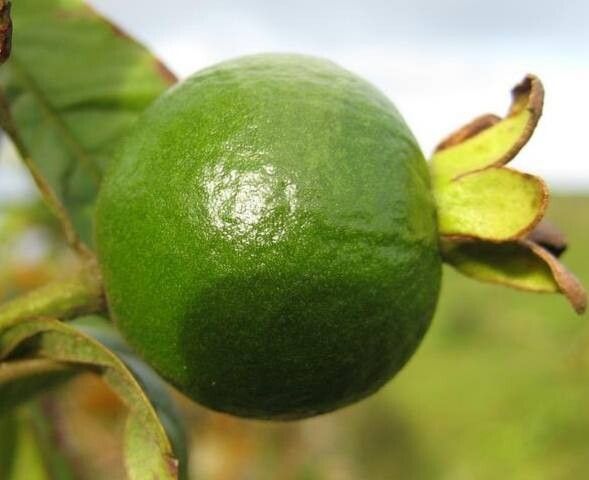
Oh, Psidium oligospermum! If you’ve ever admired its lovely foliage and the promise of future fruit, you’re in for a treat. I’ve been growing and propagating these little gems for years, and I can tell you, there’s a special kind of joy in watching one you started from a tiny cutting grow into a vibrant plant. It’s not the absolute easiest plant to propagate for a complete beginner, but with a little attention and these tips, you’ll absolutely be successful.
The Best Time to Start
For the most energetic growth and best chance of rooting success, I always aim to propagate Psidium oligospermum in late spring or early summer. This is when the plant is naturally pushing out new growth, so your cuttings will have plenty of vigor. Waiting until your plant has just finished flowering or set fruit is also a good window. Avoid propagating from woody, old branches; you want those tender, yet firm, new shoots.
Supplies You’ll Need
Here’s what I always have on hand when I’m ready to get my hands dirty:
- Sharp Pruning Shears or a Craft Knife: Cleanliness is key for preventing disease.
- Rooting Hormone: I usually opt for a powder, but gels work too. It’s not strictly necessary for every plant, but for Psidium oligospermum, it gives you a definitive edge.
- Well-Draining Potting Mix: A good base is about 50% peat moss or coco coir and 50% perlite or coarse sand. This ensures good aeration and prevents soggy roots. You can also buy specific succulent or cactus mixes, which are often quite suitable.
- Small Pots or Propagation Trays: About 3-4 inches in diameter are perfect for starting out. Make sure they have drainage holes!
- Clear Plastic Bags or a Propagation Dome: This creates a humid microclimate, which is crucial for cuttings.
- Labels and a Permanent Marker: Don’t skip this! You’ll thank yourself later.
- A Small Watering Can or Spray Bottle: For gentle watering.
Propagation Methods
While there are a few ways to go about it, my favorite and most reliable method for Psidium oligospermum is through stem cuttings.
- Take Your Cuttings: Select healthy shoots that are about 4-6 inches long. Look for ones that have started to harden off slightly, meaning they aren’t limp and floppy, but also not woody and stiff. Using your clean shears or knife, make a clean cut just below a leaf node (where a leaf attaches to the stem).
- Prepare the Cuttings: Gently remove the lower leaves from the cutting, leaving only the top 2-3 sets of leaves. If the leaves are very large, you can even snip them in half to reduce water loss through transpiration.
- Apply Rooting Hormone: Dip the cut end of the stem into your rooting hormone, ensuring it’s coated about an inch up from the cut. Tap off any excess powder.
- Plant Your Cuttings: Fill your small pots with your prepared potting mix. Make a small hole in the center of the soil with your finger or a pencil. Carefully insert the treated end of the cutting into the hole, making sure the nodes where you removed leaves are below the soil surface. Gently firm the soil around the cutting.
- Create a Humid Environment: Water the soil lightly until it’s evenly moist, but not waterlogged. Then, cover the pot with a clear plastic bag (you can use a stake to keep the bag from touching the leaves) or place it under a propagation dome. This traps humidity and keeps the cuttings from drying out.
- Provide Warmth and Light: Place your pots in a bright spot that receives indirect sunlight. Avoid direct sun, as it can scorch the delicate cuttings. A little warmth is also beneficial; placing the pots on a heat mat can speed things up considerably.
The “Secret Sauce” (Pro Tips)
Here are a couple of things I’ve learned over the years that really make a difference:
- Inspect Your Cuttings Daily: I can’t stress this enough. Keep an eye out for any signs of wilting or, worse, mold. If you see mold starting, gently wipe it away with a cotton swab dipped in a dilute hydrogen peroxide solution or remove the affected leaf/cutting entirely. Good airflow is your friend.
- The “Sniff Test” for Rooting: This is a bit of an insider trick. When you think your cuttings might be rooting, gently tug on one. If it feels like it has some resistance, chances are good! A truly rooted cutting will feel like it’s firmly attached. Alternatively, you can very carefully scrape a tiny bit of bark from the base – you might see a hint of white root forming.
Aftercare & Troubleshooting
Once your cuttings have developed a good root system (you might see roots peeking from the drainage holes, or they’ll resist tugging), it’s time to transition them to their permanent pots. Use a good quality, well-draining potting mix. Water them thoroughly after repotting. From here on out, treat them much like a mature Psidium oligospermum, with bright light and consistent moisture, allowing the soil to dry out slightly between waterings.
The most common issue you’ll encounter is rot. If your cuttings turn black and mushy, it’s usually a sign of too much moisture and not enough air circulation. Unfortunately, these are usually beyond saving. Another sign of a failed cutting is if it completely wilts and dries out, showing no resistance when gently pulled.
A Encouraging Closing
Propagating plants is an act of faith and observation. It teaches you patience and rewards you with the deep satisfaction of creating new life. Don’t be discouraged if your first few attempts aren’t perfect. Each cutting is a learning experience, and with a little persistence, you’ll soon have a small forest of your own Psidium oligospermum to enjoy. Happy propagating!
Resource:
https://identify.plantnet.org/k-world-flora/species/Psidium%20oligospermum%20Mart.%20ex%20DC./data