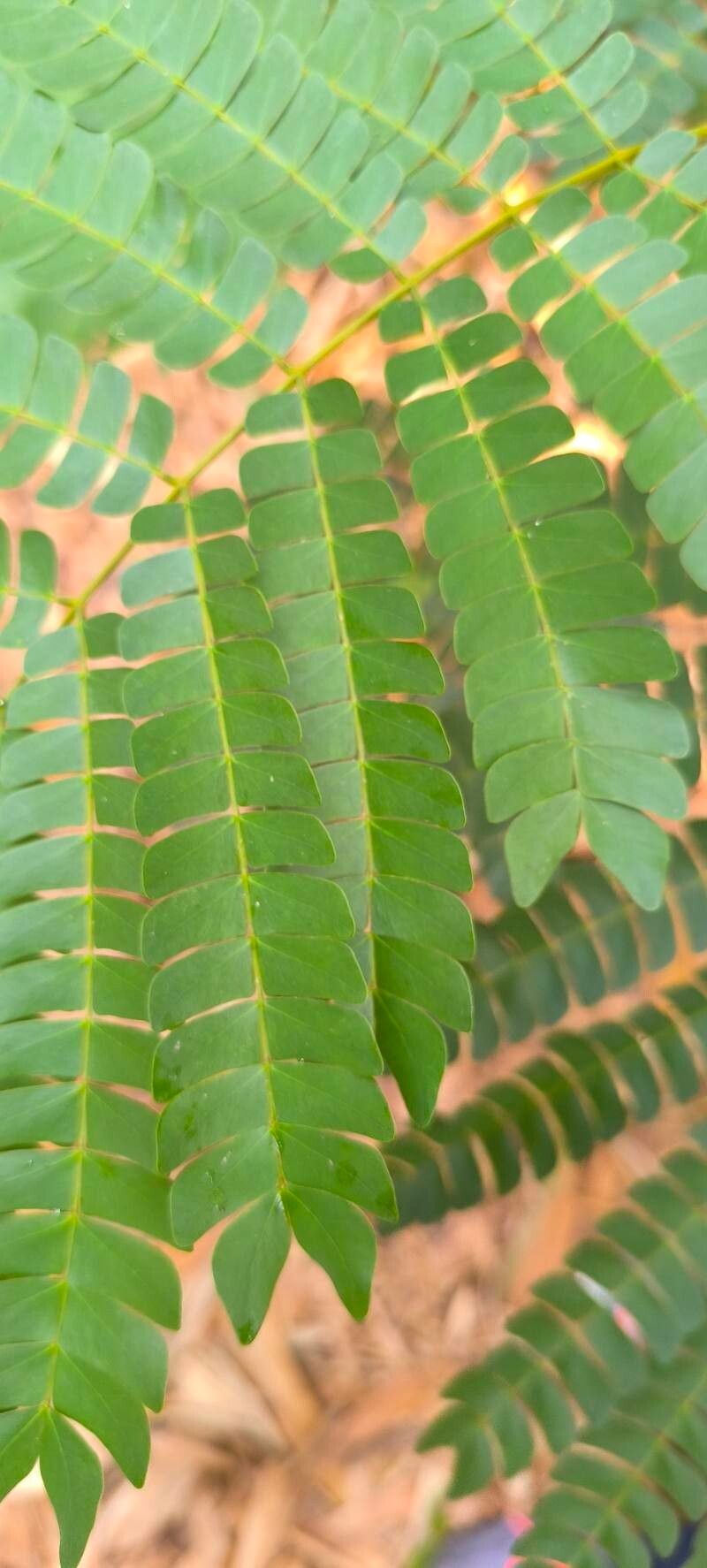
Oh, hello there! It’s so wonderful to have you join me in my little corner of the garden world. Today, we’re going to dive into something truly special: coaxing new life from our beloved Albizia adianthifolia, also known as the Flat-Top Albizia or often just referred to by its scientific name. If you’ve ever admired its feathery, fern-like foliage and those delicate, often fragrant, puffball flowers, you know exactly why this tree holds a special place in so many hearts. Propagating it is a journey, and let me tell you, the reward of watching a tiny cutting transform into its own magnificent specimen is simply unparalleled. For a beginner, it might seem a tad daunting at first glance, but with a little guidance, you’ll find it’s a very achievable and deeply satisfying endeavor.
The Best Time to Start
When it comes to getting your Albizia babies off to a flying start, spring and early summer are your golden ticket. This is when the plant is actively growing, sending out new shoots that are full of vigor. They have the most energy for root development. Waiting until after the plant has finished its main flowering flush is also a good time, as you can take cuttings from semi-hardened wood.
Supplies You’ll Need
Gathering your tools before you begin will make the whole process so much smoother. Here’s what I like to have on hand:
- Sharp, clean pruning shears or a sharp knife: Essential for making clean cuts.
- Rooting hormone powder or gel: This significantly boosts your chances of success.
- A well-draining potting mix: I find a blend of perlite, peat moss, and a bit of coarse sand works wonders for aeration. You can also buy a ready-made seed starting mix.
- Small pots or seed trays: Clean ones, of course!
- Plastic bags or a propagation dome: To create a humid environment.
- Watering can with a fine rose: For gentle watering.
- Optional: Bottom heat mat: This can really speed up root development.
Propagation Methods
While Albizia adianthifolia can be a bit particular, we’ll focus on the method that generally yields the best results for home gardeners: stem cuttings.
Stem Cuttings
- Select your material: Look for healthy, non-flowering stems from the current season’s growth. You want pieces that are about 4-6 inches long. They should feel firm but still have a little flexibility – not completely woody, but not floppy and green either. This is often called semi-hardwood.
- Make the cut: Using your clean secateurs or knife, make a clean cut just below a leaf node. A node is where a leaf attaches to the stem. This is where the magic happens, where roots are most likely to form.
- Prepare the cutting: Remove the lower leaves, leaving only the top two or three. This prevents them from rotting when buried in the soil and reduces water loss.
- Apply rooting hormone: Dip the cut end into your rooting hormone. Make sure it’s coated all around. Gently tap off any excess.
- Plant the cutting: Fill your pots with your prepared, moistened potting mix. Make a small hole with your finger or a pencil, and gently insert the cutting, ensuring the nodes where you removed leaves are below the soil surface. Firm the soil around it.
- Create humidity: Water gently. Then, either cover the pot with a clear plastic bag, ensuring the leaves don’t touch the inside, or place it under a propagation dome. This traps moisture and creates that vital humid microclimate.
- Provide warmth and light: Place your cuttings in a bright spot that doesn’t receive direct, harsh sunlight. If you have a bottom heat mat, now’s the time to use it – a gentle warmth from below can make a big difference.
The “Secret Sauce” (Pro Tips)
Over the years, I’ve learned a few tricks that seem to give my Albizia cuttings that extra boost.
- Bottom Heat is Your Friend: I cannot stress this enough. A gentle warmth, around 70-75°F (21-24°C), from a propagation mat encourages root initiation like nothing else. It mimics the conditions a fallen seed pod might experience on a warm forest floor.
- Don’t Overwater, Especially Early On: While humidity is key, soggy soil is the enemy. Let the top inch of soil just begin to dry out before watering. Overwatering at this stage can lead to rot before any roots even have a chance to form.
- Tap Water Can Be Tricky: If your tap water is very hard, consider using rainwater or distilled water for your cuttings, especially for the initial watering. This can prevent mineral build-up that might hinder root development.
Aftercare & Troubleshooting
Once your cuttings are potted up, the waiting game begins. Be patient!
- Check for roots: After about 4-8 weeks, or sometimes longer depending on conditions, you can gently tug on a cutting. If you feel resistance, it’s a good sign of root development. You might also see new leaf growth. You can also carefully remove one to check.
- Acclimatize slowly: When you see good root growth, it’s time to gradually introduce your new plant to normal conditions. Start by opening the plastic bag or dome for a few hours each day, then remove it entirely over a week.
- Watering: Once acclimatized and growing well, water as you would a young plant – keep the soil consistently moist but not waterlogged.
- Signs of Trouble: The most common culprit is rot. If the stem turns black and mushy, or the leaves wilt dramatically despite adequate moisture, rot has likely set in. This is often due to overwatering or poor drainage. Unfortunately, once rot takes hold, it’s hard to save the cutting. You might also see the leaves shrivel and brown if the humidity is too low or the sun too strong.
So there you have it – your guide to propagating Albizia adianthifolia. Remember, gardening is as much about the journey as it is about the destination. Don’t get discouraged if not every cutting takes. Each attempt is a learning opportunity. Grab those shears, get your hands in the soil, and enjoy the quiet magic of coaxing new life into existence. Happy gardening!
Resource: