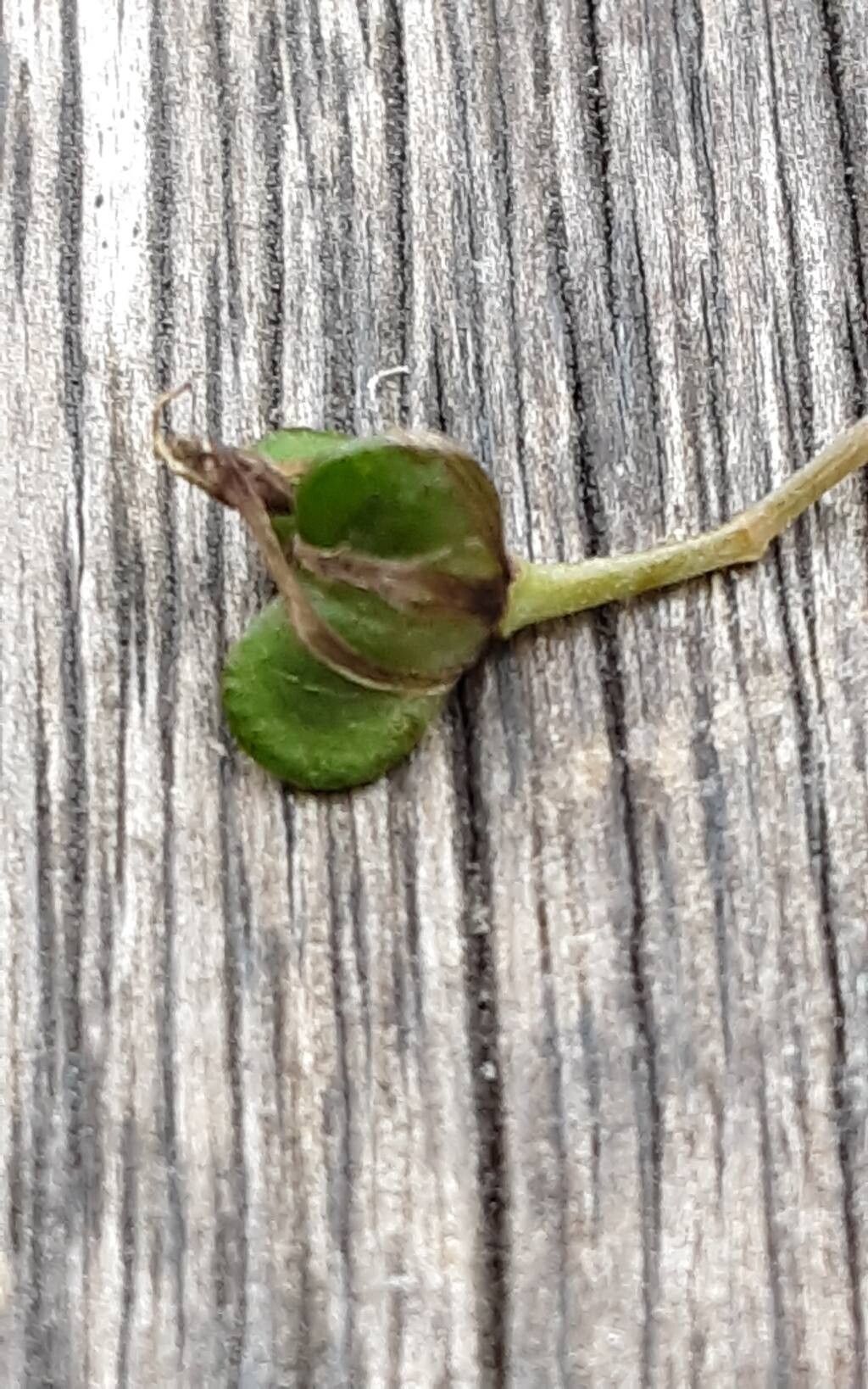
Hello fellow plant lovers! Today, we’re diving into the wonderful world of propagating Chlorophytum comosum, more commonly known as the spider plant. If you’ve ever admired those cascading babies trailing from a mature plant, you know just how charming they are. And the best part? They’re incredibly easy to multiply!
If you’re new to the green world, this is one of the most forgiving plants to start with. It’s the kind of project that’s not only fun but also incredibly rewarding, filling your home with even more of these cheerful, air-purifying beauties.
The Best Time to Start
For the highest success rate, I like to begin propagating spider plants in spring and early summer. This is when the plant is actively growing and has plenty of energy to send out those delightful babies, also called “spiderettes.” You can also do it in fall, with a bit more patience. The key is to catch them when they’re actively producing new growth.
Supplies You’ll Need
Here’s a simple list of what you’ll want to have on hand:
- Sharp pruning shears or scissors: Cleanliness is key to preventing disease.
- Well-draining potting mix: My go-to is a mix of equal parts potting soil and perlite or coarse sand.
- Small pots or containers: Old yogurt cups with drainage holes are perfect!
- Water: For rinsing or for water propagation.
- (Optional) Rooting hormone: While not strictly necessary for spider plants, it can give them an extra boost.
- (Optional) Clear plastic bag or dome: To create a humid environment for cuttings.
Propagation Methods
Spider plants offer up a few super simple ways to create new life. Let’s explore the most popular:
1. Using Spiderettes (The Easiest Way!)
This is the star of the show for spider plants. You’ll see these dangling from the mother plant.
- Identify mature spiderettes: Look for those little plantlets that have started to form. They often have tiny leaves and sometimes even small roots peeking out.
- Gently detach: Using your clean shears, cut the stem connecting the spiderette to the mother plant, leaving about an inch or two of the stem attached to the baby.
- Pot them up: You have two options here:
- Directly into soil: Fill a small pot with your well-draining potting mix. Gently press the cut end of the spiderette into the soil, burying the tiny stem. Water lightly.
- Water propagation: Place the spiderette in a small glass or jar of water, ensuring only the cut end is submerged. Make sure the leaves don’t touch the water, as this can cause them to rot. Place it in bright, indirect light.
2. Division (For Mature Plants)
If you have a particularly large and bushy spider plant, division is a great method.
- Remove the plant from its pot: Gently tip the pot and slide the plant out.
- Gently separate the root ball: You can usually do this by hand. Look for natural divisions where new plants are emerging from the base. If it’s stubborn, use your shears to carefully cut through the roots, ensuring each section has at least 2-3 leaves and some healthy roots.
- Repot the divisions: Plant each section into its own pot with fresh, well-draining soil. Water thoroughly.
The “Secret Sauce” (Pro Tips)
Over the years, I’ve learned a thing or two that can really make a difference:
- Don’t be afraid to let them dangle: Sometimes, it’s easiest to just leave the spiderettes attached to the mother plant until they’ve developed a decent size and possibly even tiny roots. Then, snip and pot.
- Warmth is your friend: Spider plants root best when they’re a little warm. If you’re propagating in a cooler room, consider placing your pots or jars on a heating mat on a low setting. You’ll be amazed at how quickly roots form!
- Patience with water babies: When propagating in water, it can take a few weeks to see significant root growth. Change the water every few days to keep it fresh and prevent stagnation.
Aftercare & Troubleshooting
Once your little spider plant has established roots, give it the same care as a mature plant: bright, indirect light and consistent watering, allowing the soil to dry out slightly between waterings.
The most common issue you’ll encounter is rot, especially with water propagation if the leaves sit in the water or the water isn’t changed regularly. If a spiderette turns mushy or brown, it’s best to discard it and try again. Wilting can happen if the plant is too dry, or sometimes if it’s shocked from being moved. Just give it a good drink and keep it out of harsh sun.
A Little Patience Goes a Long Way
And there you have it! Propagating spider plants is a wonderfully simple way to expand your collection and share the joy of green living with friends and family. Be patient with your new babies, offer them a little love and the right conditions, and you’ll soon have a whole army of happy spider plants. Happy propagating!
Resource:
https://identify.plantnet.org/k-world-flora/species/Chlorophytum%20comosum%20(Thunb.)%20Jacques/data