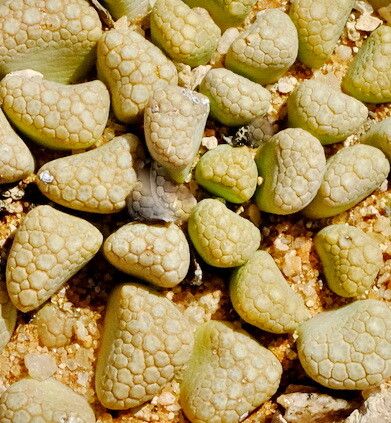
Oh, hello there! If you’re anything like me, you’ve probably fallen head over heels for the unique charm of Titanopsis hugo-schlechteri, also known as the Living Jewels succulent. With their fascinating, diamond-shaped leaves and their rosetted structure, they truly are little works of art. And the joy of being able to create more of these beauties from your existing plants? Pure gardening gold!
Now, I won’t lie and say propagation is always a walk in the park. Titanopsis can be a little fussy, especially for absolute beginners. But don’t let that deter you! With a bit of patience and the right approach, you absolutely can coax new life from your plants. It’s incredibly rewarding to watch those tiny rosettes unfurl and know you helped make it happen.
The Best Time to Start
For Titanopsis, the sweet spot for propagation is during its active growing season. This typically falls in the late spring through summer. You want to pick a time when the plant is healthy, robust, and actively putting out new growth. Trying to propagate when it’s dormant or stressed is a recipe for disappointment, believe me.
Supplies You’ll Need
Here’s a little kit to get you started:
- Well-draining soil mix: A cactus and succulent mix is a good base. I like to add perlite or pumice for even better drainage.
- Sharp, clean pruning shears or a craft knife: This is crucial for making clean cuts.
- Rooting hormone (optional but recommended): This gives your cuttings a nice little boost.
- Small pots or propagation trays: Make sure they have drainage holes!
- Perlite or coarse sand: For top dressing and further improving drainage.
- Spray bottle: For gentle misting.
- Labels: To keep track of what you’ve propagated and when.
Propagation Methods
Titanopsis hugo-schlechteri is primarily propagated through division, which is my preferred method for this particular plant. They tend to form pups (baby plants) at the base which you can separate.
Method: Division
- Gently remove the parent plant from its pot. Be careful not to damage the roots. You can tap the pot on its side or use a thin tool to loosen the soil around the edges.
- Inspect the base of the plant. Look for any offsets or smaller rosettes that have formed at the soil line or around the main plant. These are your potential new plants!
- Using your clean shears or knife, carefully separate an offset from the parent plant. Try to get a piece that has its own root system, if possible. If it doesn’t have roots yet, don’t worry too much, it will grow them. Make a clean cut.
- Let the offsets “callus over.” This is a super important step! Place the separated offsets in a dry, well-ventilated spot away from direct sunlight for 2-5 days. You want that cut end to dry out and form a protective scab. This prevents rot, which is the biggest enemy of succulents.
- Pot up the callused offsets. Fill your small pots with your well-draining soil mix. You can dip the callused end in rooting hormone now, if you’re using it.
- Plant the offset. Make a small hole in the soil and gently place the offset in, ensuring the callused end is covered. Don’t bury it too deeply – just enough to keep it upright. You can gently firm the soil around it.
- Do NOT water immediately. Wait at least a week, or even two, after potting. This gives any tiny, new roots a chance to establish without getting waterlogged. When you do water, do so sparingly.
The “Secret Sauce” (Pro Tips)
- The “Dry Start” is Key: For Titanopsis, you really, truly need to let those cut ends air dry and callus properly. This isn’t a step you can skip or rush. A thick, dry scab is your best friend against rot.
- Bottom Heat is Your Buddy: If your propagating area is a bit cool, consider using a gentle propagation mat. This provides consistent, mild bottom heat which can significantly speed up root formation. Just make sure it’s not too hot – we’re aiming for cozy, not cooked!
- Observe, Don’t Overdo: These little guys can be sensitive. Avoid overwatering new propagations like the plague. It’s much easier to revive a slightly dry plant than one drowning in soggy soil. Let the soil dry out mostly between waterings.
Aftercare & Troubleshooting
Once you see signs of new growth – perhaps tiny leaves emerging or the offset looking plumper – you know roots are forming! Gradually introduce your new plants to brighter light, but still avoid intense, direct sun at first. Water sparingly.
The most common problem you’ll encounter is rot. If an offset turns mushy, black, or translucent, it’s likely rotted. Unfortunately, at that point, it’s usually beyond saving. Prevention is key here – good drainage, proper callusing, and careful watering are your best defenses. If you see a plant looking shriveled, it might be a sign it’s struggling to find roots, so try watering just a tiny bit, but don’t let it sit in wet soil.
A Encouraging Closing
Propagating Titanopsis hugo-schlechteri is a journey. There might be a few bumps along the way, but each experience is a learning opportunity. Be patient with your little ones, celebrate the successes, and don’t be discouraged by any setbacks. Enjoy the process of nurturing new life, and soon you’ll have a wonderful collection of these “Living Jewels” to admire! Happy planting!
Resource: