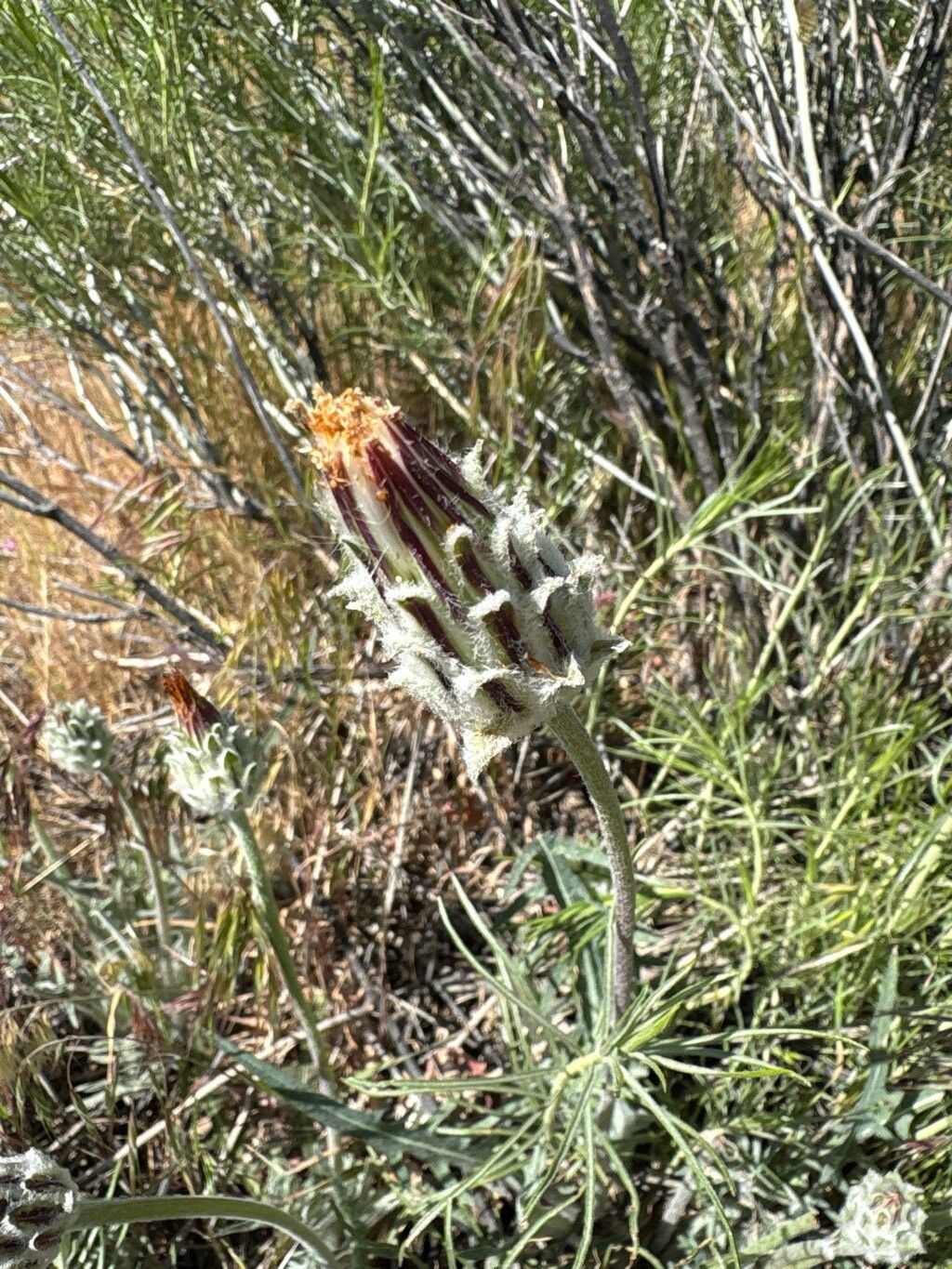
Hello, fellow garden enthusiasts! It’s so lovely to have you here today. If you’re anything like me, you’ve probably fallen head over heels for the cheerful, dandelion-like blooms of Agoseris retrorsa. The way its sunny yellow flowers nod in the breeze, and the promise of those fluffy seed heads… it’s pure garden magic. And the best part? Sharing that magic by propagating these beauties yourself is incredibly rewarding. Now, I’ll be honest, Agoseris retrorsa isn’t the absolute easiest plant for complete beginners, but with a little care and attention, you’ll find it quite manageable. Let’s dive in!
The Best Time to Start
For the highest success rate with Agoseris retrorsa, I’ve found that late spring or early summer is your sweet spot. This is when the plant is actively growing and has plenty of energy reserves to put into developing new roots. You’ll want to start once the plant is established and has a good amount of leafy growth, but before it gets too stressed by the peak summer heat.
Supplies You’ll Need
Gathering your supplies beforehand makes the whole process so much smoother. Here’s what I usually have on hand:
- Sharp, clean pruning shears or a sharp knife: For making clean cuts.
- Potting mix: A well-draining mix is crucial. I like to use a blend of good quality potting soil and perlite or coarse sand (about a 2:1 ratio). Some gardeners prefer a sterile seed-starting mix.
- Small pots or trays: Clean containers that allow for good drainage.
- Rooting hormone (optional but recommended): A powdered or liquid hormone can give your cuttings a helpful boost.
- Labels and a marker: So you don’t forget what you’ve planted where!
- Watering can with a fine rose or a spray bottle: For gentle watering.
- Plastic bags or a propagation dome: To maintain humidity.
Propagation Methods
Agoseris retrorsa can be propagated in a couple of ways, but my favorite is from seed, and division in certain circumstances.
From Seed:
This is generally the most straightforward approach for Agoseris retrorsa.
- Collect seeds: Once your flowers have faded and formed those beautiful seed heads, wait until they are fully dry and fluffy. You can gently tap the seed head over a container to collect the seeds, or carefully pull them apart.
- Stratification (important!): Many native plants, including Agoseris retrorsa, benefit from a period of cold, moist stratification. This mimics winter conditions. Mix your seeds with a damp paper towel or a small amount of damp potting mix in a resealable plastic bag. Store this in the refrigerator for 4-6 weeks.
- Sowing: After stratification, sow the seeds shallowly in your prepared pots or trays filled with the well-draining potting mix. Just a light dusting of soil over the top is perfect.
- Watering: Gently water the surface, ensuring the soil is moist but not waterlogged. A spray bottle is excellent for this initial watering.
- Germination: Place the pots in a bright location with indirect sunlight. Keep the soil consistently moist. Germination can be a bit erratic; some seeds may sprout quickly, others may take longer. Be patient! You might see seedlings emerge within 2-4 weeks after sowing, but sometimes it takes even longer.
Division:
While not as common for this specific species, if you have a very mature Agoseris that has formed a thick clump, you might be able to divide it.
- Timing: This is best done in early spring as new growth begins, or in early fall after the heat of summer has passed.
- Excavation: Carefully dig up the entire plant, trying to disturb the root ball as little as possible.
- Division: Gently separate the root ball into smaller sections. You can use your hands or a clean trowel. Ensure each section has a good portion of roots and at least one or two growing points.
- Replanting: Immediately replant the divisions into their new locations or into pots filled with your well-draining mix.
The “Secret Sauce” (Pro Tips)
Here are a couple of things I’ve learned over the years that often make a big difference:
- Don’t overcrowd your seeds: When sowing seeds, give them a little elbow room. If they germinate too closely, they’ll compete for light and nutrients, and you’ll end up with weaker seedlings. Aim for about 1-2 inches apart if sowing directly into larger pots.
- Think about their natural habitat: Agoseris retrorsa generally prefers leaner soils and excellent drainage. While starting them in a good potting mix is fine, remember that they don’t need overly rich or constantly wet conditions once established. This is especially true if you’re experimenting with cuttings from mature plants – avoid overly rich soil.
Aftercare & Troubleshooting
Once your seedlings are large enough to handle (typically have a few true leaves), you can gently transplant them into individual pots. Continue to water them regularly, but always allow the top inch of soil to dry out between waterings.
If you notice your seedlings wilting or looking leggy, they might need more light. If the soil looks consistently soggy and you see mushy stems or roots, that’s a sign of damping off, a fungal disease that thrives in overly wet conditions. It’s usually caused by too much moisture and poor air circulation. Unfortunately, damping off can be hard to recover from, so prevention with good drainage and careful watering is key.
A Encouraging Closing
There you have it! Propagating Agoseris retrorsa is a wonderful way to fill your garden with these sunshine-kissed blooms. Remember to be patient, embrace the learning curve, and most importantly, enjoy the process of nurturing these little plants from seed or division into their full glory. Happy gardening!
Resource:
https://identify.plantnet.org/k-world-flora/species/Agoseris%20retrorsa%20Greene/data