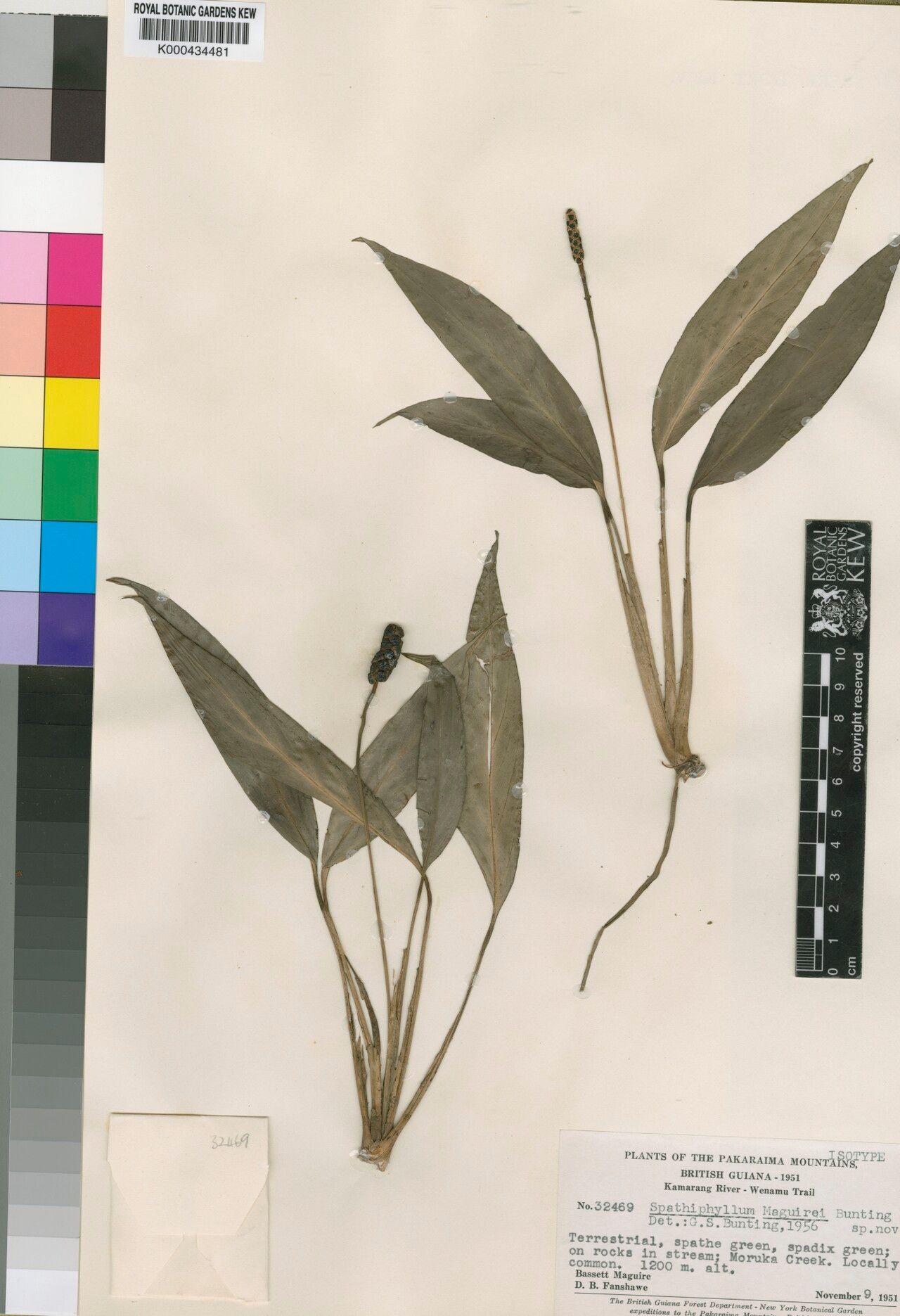
Hello fellow plant lovers! Today, we’re diving into the wonderful world of propagating peace lilies, specifically Spathiphyllum maguirei, those elegant beauties with their glossy leaves and pristine white spathes. I’ve been nurturing these plants for two decades now, and let me tell you, there’s a special kind of joy in watching a tiny piece of a plant you already love flourish into its own thriving specimen.
Peace lilies are such a beloved houseplant for a reason. They bring a calm elegance to any space, and their air-purifying qualities are a lovely bonus. Propagating them is incredibly rewarding, and I’m happy to share that Spathiphyllum maguirei is generally a very easy plant to propagate, even for beginners! You’ll be sharing these beauties with friends in no time.
The Best Time to Start
For the highest success rate, the spring or early summer is your best bet. This is when your peace lily is naturally entering its most active growth phase. You’ll see new leaves unfurling and the plant will have the energy reserves to bounce back quickly after you take cuttings or divide it. Waiting until your plant is well-established and pot-bound also gives you more material to work with.
Supplies You’ll Need
Here’s a little kit to get you started:
- Sharp, clean pruning shears or a knife: For making clean cuts. Sterilize them with rubbing alcohol before and between cuts, especially if you’re propagating more than one plant.
- Well-draining potting mix: I like a blend of good quality potting soil mixed with perlite or orchid bark for aeration. For peace lilies, a mix that retains some moisture but drains freely is key.
- Small pots or propagation trays: Choose pots that are appropriately sized for your cuttings.
- Rooting hormone (optional but recommended): This can give your cuttings a significant boost in root development.
- Water: For rinsing cuttings and for water propagation.
- Clear plastic bag or propagation dome: To create a humid microclimate for your cuttings.
- Small labels or plant markers: To keep track of your new babies!
Propagation Methods
Peace lilies are wonderfully adaptable, and we have a couple of reliable methods for making new plants.
Division
This is hands-down the easiest and most successful method for peace lilies.
- Gently remove the plant from its pot. If it’s really stuck, you might need to run a knife around the edge of the pot.
- Inspect the root ball. You’re looking for distinct clumps or crowns, each with its own set of leaves and roots.
- Carefully tease apart the sections. You can use your fingers for this, or a clean knife if the roots are tangled. Try to ensure each division has a good portion of roots and several leaves.
- Pot up each division into its own container with your prepared potting mix. Water it thoroughly.
Stem Cuttings (Less Common, More Adventurous)
While division is my go-to, you can take cuttings. It’s a bit trickier with peace lilies as they don’t produce long, woody stems in the same way some other plants do.
- Identify a healthy stem emerging from the base of the plant. It should have at least one leaf and, ideally, a node (a small bump on the stem where a leaf or root might emerge).
- Make a clean cut just below the node.
- Remove the lower leaves from the cutting, leaving just a couple at the top.
- Dip the cut end in rooting hormone, tapping off any excess.
- Plant the cutting in your well-draining potting mix, ensuring the node is below the soil surface.
- Water gently.
The “Secret Sauce” (Pro Tips)
Here are a few little tricks I’ve learned over the years that really make a difference:
- Don’t overcrowd your pots! When dividing, each new plant needs space to grow. Overcrowding can lead to competition for resources and increased risk of rot.
- Bottom heat is your friend. Cuttings and divisions take root much faster when their roots are kept warm. A seedling heat mat placed under your pots can work wonders. You don’t need it blazing hot, just consistently warm.
- Humidity is the name of the game. Peace lilies love moisture, and so do their propagating babies. After planting your divisions or cuttings, gently water them in. Then, tent a clear plastic bag or place a propagation dome over the pot. Make sure the leaves aren’t touching the plastic if possible, as this can encourage rot.
Aftercare & Troubleshooting
Once your new peace lilies are planted, keep the soil consistently moist but not soggy. The humidity you created should continue. Place them in bright, indirect light – never direct sun, which can scorch their leaves.
You’ll know your division or cutting has taken root when you see new leaf growth appearing. This can take a few weeks to a couple of months. Be patient!
Common signs of failure usually point to too much water or not enough humidity:
- Yellowing leaves: This can indicate overwatering. Check the soil moisture and ease up if it’s waterlogged.
- Wilting: While peace lilies do droop dramatically when thirsty, wilting in a propagated cutting can also be a sign of rot if accompanied by mushy stems or a foul smell.
- Rotting stem: If the base of the stem turns brown and mushy, it’s likely rot. There’s usually no saving it at this point. This is often caused by overly wet conditions and poor air circulation.
A Encouraging Closing
Propagating peace lilies is a wonderfully accessible way to expand your collection or share the joy of these beautiful plants with others. Remember, gardening is a journey, and sometimes things don’t work out perfectly the first time. Don’t be discouraged! Every experience is a learning opportunity. So, grab your shears, get your hands a little dirty, and enjoy the magical process of coaxing new life from your beloved Spathiphyllum maguirei. Happy propagating!
Resource:
https://identify.plantnet.org/k-world-flora/species/Spathiphyllum%20maguirei%20G.S.Bunting/data