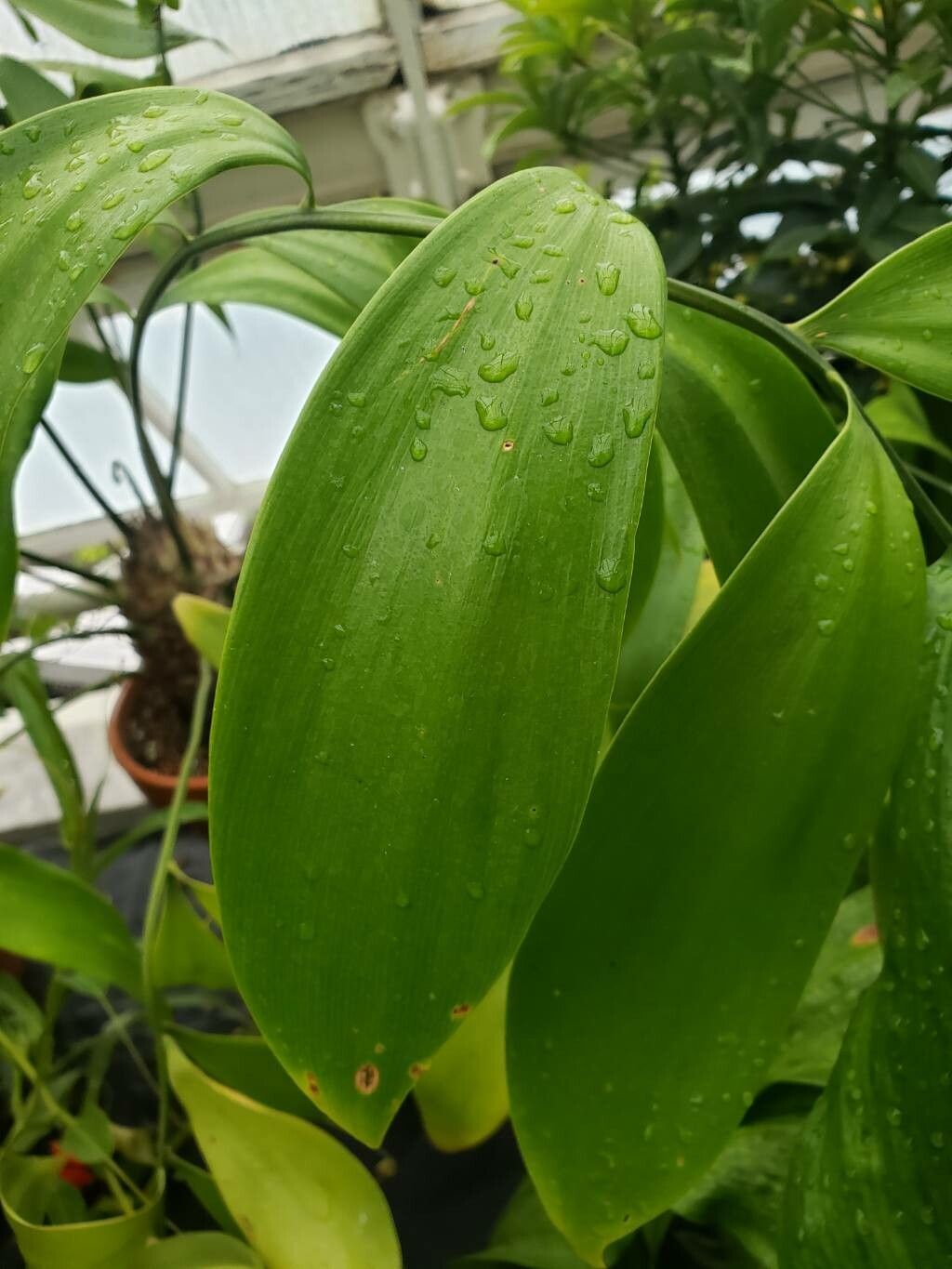
Oh, Zamia tuerckheimii! What a stunner. If you’re looking for a plant that’s a bit out of the ordinary, with those wonderfully architectural fronds, then this cycad might be just the ticket. They evoke a sense of prehistoric jungle, don’t they? And there’s something truly special about coaxing a new life from an existing one. Propagating Zamias can be a rewarding endeavor, but I’ll be honest, it leans a bit more towards the challenging side. It’s not necessarily a “stick it in water and hope for the best” kind of plant, but with a little care and attention, you absolutely can succeed!
The Best Time to Start
For Zamia tuerckheimii, the absolute sweet spot for propagation is during its active growing season. Think late spring through summer. This is when the plant has the most energy reserves to put into developing new roots. Trying to propagate when the plant is naturally slowing down just won’t yield the same enthusiastic results. You want to catch it at its peak vigor!
Supplies You’ll Need
Gathering your tools beforehand makes the whole process much smoother. Here’s what I usually have on hand:
- Sharp, sterile pruning shears or a clean knife: Essential for making clean cuts.
- Well-draining potting mix: A cactus and succulent mix is a good base, but I often amend mine with perlite and a bit of orchid bark for extra aeration.
- Rooting hormone powder or gel: This is especially helpful for woody cuttings.
- Small pots or propagation trays: Make sure they have drainage holes!
- Gloves: Some cycads can have irritating sap.
- A spray bottle: For misting.
- A heat mat (optional but highly recommended): This provides consistent warmth to the base of your cuttings.
- Clear plastic bags or a humidity dome: To create a mini-greenhouse effect.
Propagation Methods
Zamia tuerckheimii isn’t typically propagated from leaf cuttings like many houseplants. We’re more likely to work with offsets or division.
Offsets (Pups)
Often, a mature Zamia will produce little baby plants, or “pups,” around its base. These are your best bet for successful propagation!
- Gently excavate: Carefully dig around the base of the mother plant. You want to expose the offsets without damaging them or the main stem.
- Locate the connection: You’ll see where the offset is attached to the parent plant.
- Make a clean cut: Using your sharp, sterile shears, make a clean cut to separate the offset from the mother. Try to get as much of its own little root system as possible, but don’t stress if it’s minimal.
- Allow to callous: This is crucial! Let the cut end of the offset air dry for a day or two, or even longer, until a dry, protective layer (a callous) forms. This prevents rot.
- Potting up: Fill a small pot with your well-draining mix. Make a little hole in the center and plant your offset, ensuring the base is nestled into the soil.
- Initial watering: Water lightly. You don’t want to saturate it, just moisten the soil.
- Provide warmth and humidity: Place the potted offset in a warm spot with bright, indirect light. Cover it with a clear plastic bag or a humidity dome to keep the humidity up. You can remove the bag for a few minutes daily for air circulation.
Division
If your Zamia is a larger, multi-stemmed specimen that has grown into a clump, you might be able to divide it.
- Remove from pot: Gently unpot the entire plant.
- Examine the root ball: Look for natural divisions where smaller stems or pups are connected.
- Separate carefully: Using your sterile knife or shears, carefully cut through the roots to separate sections. Aim for sections that have both a stem and some roots.
- Treat the cuts: Just like with offsets, allow the cut surfaces on both the parent plant and the divisions to callous over for a day or two before replanting.
- Pot up: Pot each division into its own container with well-draining soil.
- Care as above: Treat each new division as you would a new offset – light watering, warmth, and high humidity.
The “Secret Sauce” (Pro Tips)
Here are a few things I’ve learned over the years that really make a difference:
- Let it dry out between waterings: Especially for youngsters. They’re more susceptible to root rot than thirsty. Wait until the top inch or two of soil is dry before watering again.
- Bottom heat is your friend: Zamias are tropical plants, and their roots love warmth. Placing your pots on a seedling heat mat provides consistent, gentle heat that encourages root development like nothing else. It’s a game-changer!
- Don’t be too eager to uncover: That humidity is vital for these guys to root. Keep them covered until you see definite signs of new growth, like new fronds unfurling. Then you can gradually acclimate them to lower humidity.
Aftercare & Troubleshooting
Once you see those little roots starting to form (you might gently tug on a frond; if there’s resistance, things are happening!), it’s time for a slight adjustment in care.
- Reduce humidity gradually: Start by removing the plastic bag or dome for a couple of hours each day, then gradually increase the time. Your goal is to slowly acclimate the new plant to your home’s ambient humidity.
- Bright, indirect light: Keep them in a spot that gets plenty of light but is protected from direct sun, which can scorch those tender new fronds.
- Water only when dry: Continue to water sparingly. Overwatering is the fastest way to lose a new propagation.
- Signs of trouble: The most common issue is rot, which usually shows up as a mushy, black stem or base. This is a sign of too much moisture and not enough air circulation. Unfortunately, if rot sets in, it’s very difficult to recover. Another sign of stress is yellowing or wilting leaves that don’t seem to be developing new growth – this could indicate insufficient bottom heat or too low humidity.
A Little Patience Goes a Long Way
Propagating Zamia tuerckheimii takes time and a bit of patience. Don’t be discouraged if your first attempt isn’t a runaway success. Each plant and each situation is a little different. Observe your new cuttings, learn from them, and enjoy the process of nurturing a new life. Soon, you’ll have your very own little Zamia jungle starting to take shape! Happy growing!
Resource:
https://identify.plantnet.org/k-world-flora/species/Zamia%20tuerckheimii%20Donn.Sm./data