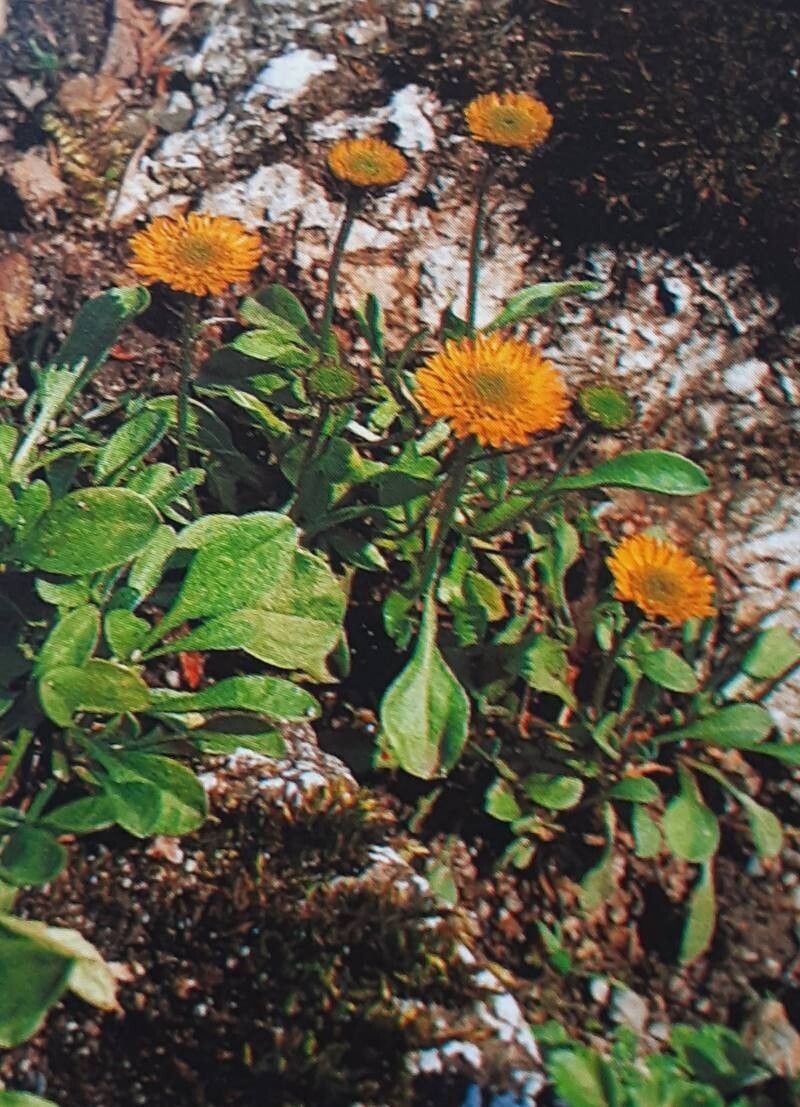
Hello, my fellow garden enthusiasts! It’s so lovely to have you here in my little corner of the internet. Today, we’re diving into something truly special: bringing more of that sunny, golden charm of Erigeron aureus, or Golden Fleabane, into our gardens.
My Love Affair with Golden Fleabane
I’ve always been a sucker for plants that bring a burst of sunshine, especially when they have that delightful, wildflower vibe. Golden Fleabane, with its cheerful daisy-like blooms, often in a vibrant golden-yellow, is just that! It’s a low-growing beauty that carpets the ground, perfect for rock gardens, borders, or even spilling over containers. And the best part? Propagating it is not only a fantastic way to expand your collection for free, but it also gives you that truly satisfying feeling of nurturing new life. For beginners, I’d say this little gem is quite approachable. Patience is key, of course, but the rewards are well worth it.
The Golden Window: When to Propagate
For the happiest results with Erigeron aureus, I always reach for my propagation tools in late spring or early summer. This is when the plant is in its active growth phase, meaning it’s full of energy, ready to put out new shoots and, crucially, to root those cuttings. Aim to do this just as the main flowering flush is ending or has just finished.
Your Propagation Toolkit
Before we get our hands dirty, let’s make sure we have everything we need. Think of this as gathering your ingredients for a perfect garden recipe:
- Sharp Pruning Shears or Knife: Clean cuts are essential to prevent disease.
- Rooting Hormone (Optional, but Recommended): A little boost never hurts! I prefer powder.
- Well-Draining Potting Mix: A 50/50 blend of seed-starting mix and perlite or horticultural grit works wonders.
- Small Pots or Trays: Choose something with drainage holes.
- Watering Can with a Fine Rose: Gentle watering is key.
- Clear Plastic Bags or Domes: To create a mini-greenhouse and maintain humidity.
- Labels: Don’t forget to mark what’s what!
Bringing New Fleabane to Life
There are a couple of reliable ways to grow more Erigeron aureus. I’ve had the most success with stem cuttings and, for a larger quantity, division.
Method 1: Stem Cuttings – The Classic Approach
This is my go-to for increasing my plant numbers.
- Take Your Cuttings: In late spring or early summer, select healthy, non-flowering stems. Using your sharp shears, snip off pieces that are about 3-4 inches long. Make the cut just below a leaf node (where a leaf grows from the stem).
- Prepare the Cuttings: Gently remove the lower leaves from each cutting, leaving just a couple of leaves at the top. This helps the cutting focus its energy on rooting, not leafing out. If you have them, dip the cut end into rooting hormone, tapping off any excess.
- Plant Them Up: Fill your small pots with your well-draining potting mix. Make a small hole in the center with your finger or a pencil and insert the prepared cutting. Gently firm the soil around the base.
- Water Gently: Water thoroughly until you see water draining from the bottom of the pot.
- Create Humidity: Cover the pots loosely with a clear plastic bag or a propagator lid. This keeps the humidity high, which is crucial for cuttings to root without drying out. Place them in a bright spot, but out of direct sunlight.
Method 2: Division – The Speedy Solution
If your plant is already a generous clump, division is a fantastic way to get more plants quickly.
- Dig Up the Plant: In late spring or early summer, carefully dig up the entire clump of Erigeron aureus. You usually want to do this when the soil is slightly moist, not bone dry.
- Divide the Root Ball: Gently shake off some of the excess soil. Using your hands or a sharp trowel, separate the clump into smaller sections. Each section should have a good portion of roots and some healthy shoots.
- Replant Immediately: You can either replant the divisions directly back into your garden or into pots filled with your potting mix. Make sure they are planted at the same depth they were previously growing.
- Water Well: Water everything in nicely to help settle the soil around the new divisions.
The “Secret Sauce” from My Garden
Here are a few little tricks I’ve learned over the years that really give these cuttings a fighting chance:
- Don’t Let Those Leaves Touch the Water! For any cuttings, whether in water or soil, ensure the leaves aren’t submerged. They’ll just rot. Trim them back if they’re droopy and in danger of touching the soil surface in the pot.
- The Magic of Bottom Heat: If you have a heat mat used for starting seeds, place your pots of cuttings on it. Erigeron aureus loves a little warmth from below. It really encourages those roots to get moving. Just don’t let the soil get too hot!
- Mist, Don’t Drown: If you’re not using a plastic bag, regular misting of the cuttings can help keep humidity up. A fine mist sprayer is your friend here. You want them to stay moist, not soggy.
Aftercare and What to Watch For
Once your cuttings have developed a good root system – you can usually check by giving them a gentle tug; if there’s resistance, they’ve rooted! – it’s time to give them proper care.
- Transplanting: Carefully transplant them into slightly larger pots or their final garden spot. Continue to keep them well-watered but not waterlogged.
- Acclimatize: If they were under cover, gradually introduce them to normal conditions by removing the plastic bag for increasing periods over a few days.
- Troubleshooting – The Dreaded Rot: The most common issue is rot, which looks like mushy, black stems. This is usually a sign of too much moisture and poor air circulation. If you see this, unfortunately, that cutting is likely lost. Don’t be discouraged! It happens to all of us. Gently remove the affected cutting and ensure the remaining ones have better drainage and a bit more airflow.
Happy Gardening!
And there you have it – a straightforward path to multiplying your beautiful Erigeron aureus. Remember, gardening is a journey, and propagating plants is a wonderful part of that. Be patient with your new little seedlings, give them a little TLC, and enjoy the incredibly rewarding process of watching them grow. Happy propagating!
Resource:
https://identify.plantnet.org/k-world-flora/species/Erigeron%20aureus%20Greene/data