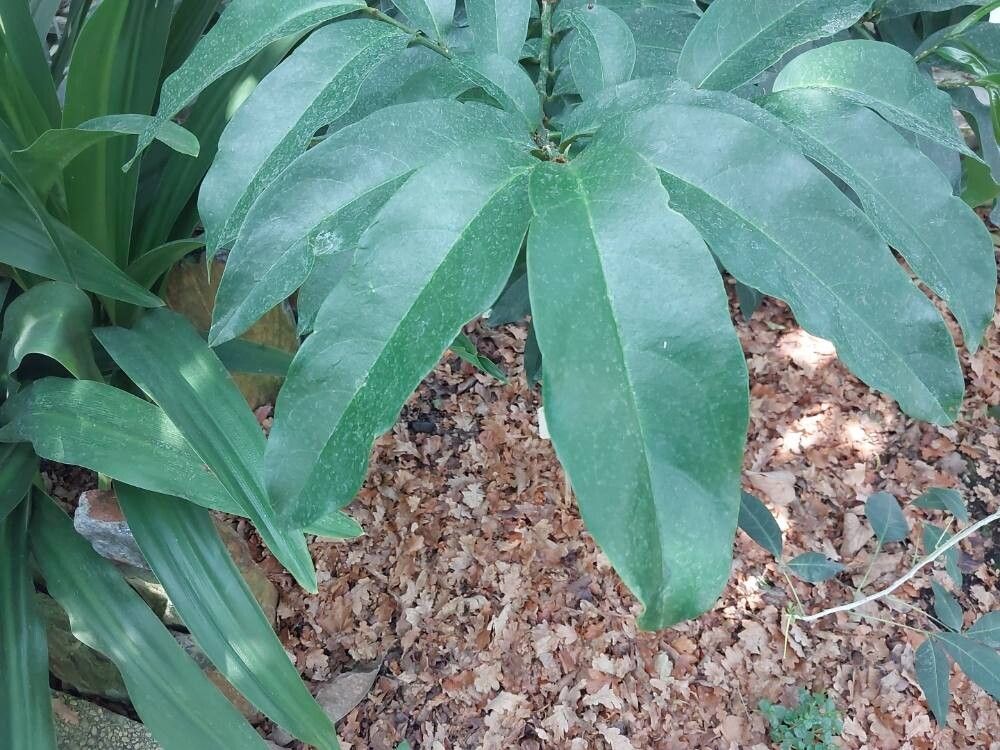
Hello, fellow green thumbs! If you’ve ever admired the beautiful, often bountiful Antidesma bunius, or “Bignay” as it’s affectionately known, then I’ve got some exciting news for you. This versatile plant, with its attractive foliage and tasty tart fruit, is surprisingly achievable to propagate right in your own garden. It’s a wonderfully rewarding journey, watching a tiny cutting transform into a thriving new plant. For beginners, I’d say it’s moderately easy, but with a little guidance, you’ll be a Bignay-propagating pro in no time!
The Best Time to Start
For the highest success rate with Antidesma bunius, your best bet is late spring through early summer. This is when the plant is actively growing after the chill of winter. You’re looking for semi-hardwood cuttings. Think of it as the sweet spot – not brand new, tender growth that’s prone to rot, and not old, woody growth that’s slow to root. New growth that has started to firm up is ideal.
Supplies You’ll Need
- Pruning shears or a sharp knife: Clean cuts are crucial!
- Small pots or containers: About 4-6 inches deep work well. Make sure they have drainage holes.
- Well-draining potting mix: A good blend of peat moss or coco coir, perlite, and a bit of compost is perfect. You can also buy specific succulent or cutting mixes.
- Rooting hormone (optional but recommended): This gives your cuttings a helpful boost.
- Plastic bags or a propagator: To create a humid environment.
- Watering can with a fine rose: Gentle watering is key.
- Labels (optional): To keep track of your cuttings!
Propagation Methods: Stem Cuttings
This is my go-to method for Antidesma bunius. It’s reliable and gives you the most bang for your buck.
- Take Your Cuttings: Using your clean pruning shears or knife, select healthy stems from your mature plant. Aim for pieces that are about 6-8 inches long. Make a clean cut just below a leaf node (where a leaf attaches to the stem).
- Prepare the Cuttings: Gently remove the lower leaves, leaving just 2-3 sets at the top. If the top leaves are very large, you can even cut them in half to reduce water loss through transpiration.
- Apply Rooting Hormone: Dip the cut end of each stem into your rooting hormone powder or gel. Tap off any excess.
- Plant Your Cuttings: Fill your pots with your prepared potting mix. Make a hole in the center with your finger or a pencil, deep enough for the cutting to reach its lower leaf nodes. Insert the cutting into the hole and gently firm the soil around it.
- Water and Cover: Water gently until the soil is evenly moist but not waterlogged. Now, the crucial step for humidity: cover the pot with a clear plastic bag, making sure the bag doesn’t touch the leaves. You can use stakes to keep it propped up. Alternatively, use a propagator with a lid.
- Find a Sunny Spot: Place your pots in a bright location that receives indirect sunlight. Avoid direct, scorching sun, which can cook your delicate cuttings.
The “Secret Sauce” (Pro Tips)
- Don’t be afraid to take more cuttings than you think you’ll need. Not every single one will take, and it’s much better to have a few extras to choose from. Nature has its own way sometimes!
- Bottom heat makes a huge difference! If you have a seedling heat mat, placing your pots on it can significantly speed up root development. It mimics the warmth of spring soil and encourages those roots to get going.
- Cleanliness is next to godliness in propagation. Always use sterilized tools and clean pots. This is your first line of defense against fungal diseases and rot, which are the usual culprits when cuttings fail.
Aftercare & Troubleshooting
Once your cuttings have been in their humid environment for a few weeks, you might start to see a small amount of new leaf growth. This is a good sign! You can gradually increase ventilation by opening the plastic bag a little each day over a week or so, until you can remove it entirely.
To check for roots, gently tug on a cutting. If you feel resistance, roots are forming! Don’t be tempted to pull them all out to peek, though – you’ll damage those precious tiny roots.
What if things go wrong? The most common problem is rot. If you see your cuttings turning mushy and black, it’s usually a sign of too much moisture and not enough air circulation. If this happens, try adding more perlite to your mix for future attempts, and be diligent about not overwatering. It’s also important to remove any dead or decaying leaves promptly to prevent the spread of disease.
A Grateful Farewell
Propagating Antidesma bunius is a journey of patience and observation. Don’t get discouraged if your first few attempts aren’t perfect. With each batch, you’ll learn more about your plant and your own gardening style. Enjoy the process, celebrate every little sign of success, and soon you’ll have a whole new generation of beautiful Bignay plants to share (or keep all to yourself!). Happy propagating!
Resource:
https://identify.plantnet.org/k-world-flora/species/Antidesma%20bunius%20(L.)%20Spreng./data