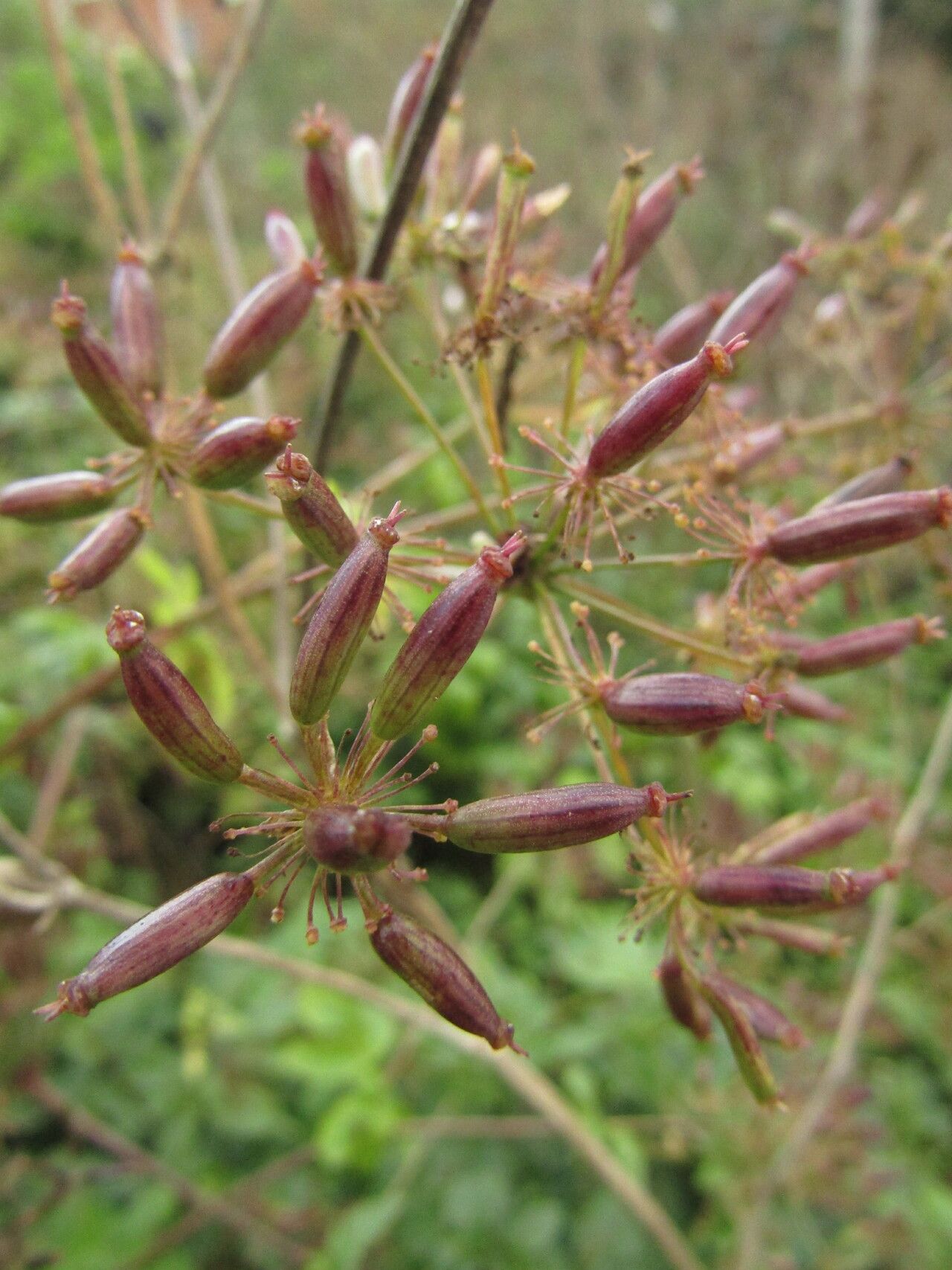
Hello fellow garden enthusiasts! I’m so delighted you’ve stopped by. Today, we’re diving into the wonderful world of Chaerophyllum byzantinum, often called Bronze-leafed Chervil. If you’re a fan of its delicate, lacy foliage with that gorgeous coppery blush, you’re in for a treat. Propagating this beauty is a rewarding way to fill your garden beds or share these beauties with friends. For beginners, I’d say it’s moderately easy, but with a few key pointers, you’ll be a pro in no time!
The Best Time to Start
For the most success, I find that early spring is your golden ticket. That’s when the plant is shaking off winter’s slumber and gearing up for vigorous growth. You can also get away with propagating in late summer if you catch it at a good growth spurt, provided you give your new starts enough time to establish before the chill sets in.
Supplies You’ll Need
Here’s what I keep on hand:
- Sharp, clean pruning shears or a sharp knife: For clean cuts that reduce stress.
- Well-draining potting mix: A blend of peat moss, perlite, and a little compost works wonders.
- Small pots or trays: Clean ones, please!
- Rooting hormone (optional but recommended): Especially for stem cuttings. Gel or powder forms are fine.
- Watering can with a fine rose or a spray bottle: For gentle watering.
- Labels: To keep track of what you’re propagating and when.
- Small plastic bags or a clear propagation dome: To create a humid environment.
Propagation Methods
There are a couple of reliable ways to get more Chaerophyllum byzantinum in your life.
Division
This is often the easiest route, especially if you already have a mature plant.
- When to Divide: I usually tackle this in early spring, just as new growth is emerging. If you’re dividing an established clump, wait until it’s not flowering.
- Exhume the Plant: Gently dig up the entire plant. You don’t want to damage the roots too much. A garden fork can be helpful here.
- Loosen and Separate: Gently tease the root ball apart with your hands. Look for natural divisions where you see crowns (leafy growth points) with their own root systems. If it’s stubborn, a clean trowel or knife can help you make the cut. Aim for divisions with at least a couple of healthy shoots and a good clump of roots.
- Replant: Immediately replant your divisions at the same depth they were growing before. Water them in well.
Stem Cuttings
This method requires a bit more attention, but it’s very satisfying when those roots appear.
- Take the Cuttings: In spring or early summer, select healthy, non-flowering stems. I look for stems that are about 4-6 inches long and have a bit of flexibility – not too woody. Using your sharp shears, make a clean cut just below a leaf node (where a leaf attaches to the stem).
- Prepare the Cuttings: Gently remove the lower leaves, leaving just a few at the top. This prevents them from rotting in the soil. If you’re using rooting hormone, dip the cut end into it now, tapping off any excess.
- Plant the Cuttings: Fill your small pots with your prepared, moist well-draining potting mix. Make a small hole with a pencil or your finger and insert the cutting, ensuring the leaf nodes that were below the soil line are covered. Firm the soil gently around the base.
- Create Humidity: Water the soil lightly. Then, place a clear plastic bag loosely over the pot, or cover it with a propagation dome. Ensure the bag doesn’t touch the leaves if possible. This creates a humid microclimate essential for root development.
The “Secret Sauce” (Pro Tips)
Here are a couple of things that have really upped my propagation success rates:
- Bottom Heat is Your Friend: Especially for stem cuttings, a little warmth from below can dramatically speed up root formation. I’ll often place my trays or pots on a heat mat designed for seedlings. Just a gentle warmth, not scorching hot, makes a big difference!
- Don’t Drown Your Cuttings: When watering stem cuttings, always err on the side of damp, not soggy. Overwatering is the fastest way to invite rot. I usually water thoroughly after planting, then wait until the top inch of soil starts to feel a little dry before watering again. If you’re using a spray bottle for misting, do it gently.
Aftercare & Troubleshooting
Once your divisions are planted or your cuttings look like they’re settling in, keep them in a bright, indirect light spot. Avoid direct, harsh sun, which can scorch tender new growth. Continue to maintain that humidity for cuttings.
You’ll know your cuttings have rooted when you see new leaf growth or feel a slight resistance when you gently tug on the stem. Divisions should bounce back fairly quickly.
The main issue you might encounter is rot. This usually happens due to overwatering or poor air circulation. If you see stems turning black or mushy, it’s a sign of too much moisture. Try to let the soil dry out a bit more between waterings and ensure there’s some airflow around your plants. If a cutting completely wilts and turns black, sadly, it’s time to compost it and try again.
A Encouraging Closing
Propagating plants is a journey, not a race. Some things take their sweet time, and that’s perfectly okay. Be patient with your Chaerophyllum byzantinum, celebrate every new leaf or tiny root you see, and enjoy the process of nurturing life. Happy gardening!
Resource:
https://identify.plantnet.org/k-world-flora/species/Chaerophyllum%20byzantinum%20Boiss./data