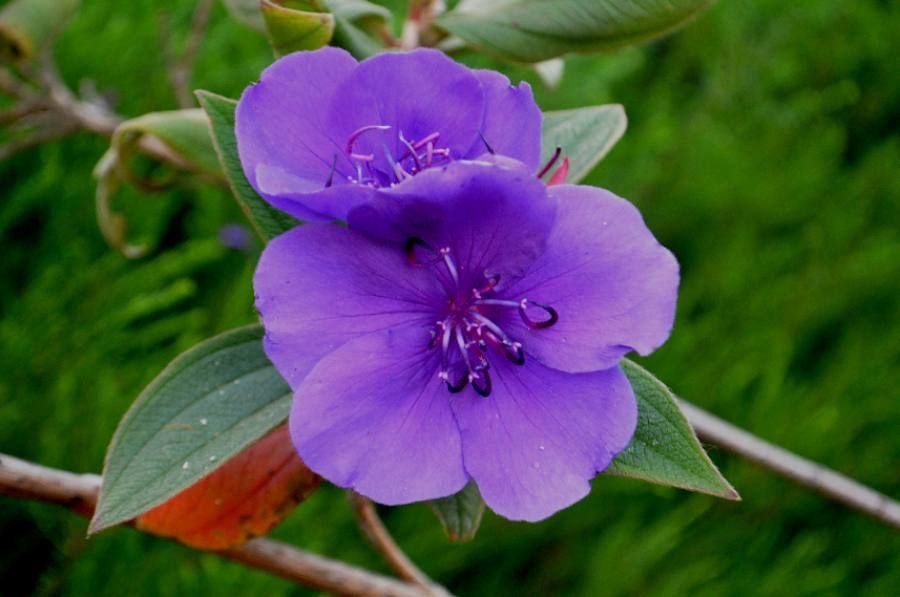
Ah, the Pleroma urvilleanum! Or as many of us know it, the Blue Potato Bush. Isn’t it just a marvel? Those vibrant, almost electric blue flowers that burst forth like little celebrations are enough to make any garden sing. And if you’re anything like me, seeing a plant thrive and then being able to share that joy by creating more of it feels like a little bit of garden magic. Propagating this beauty is a wonderfully rewarding endeavor, and I’m happy to guide you through it. Now, for beginners, I’d say the Pleroma urvilleanum sits somewhere in the “moderately easy” category. It’s not going to give you a sad sigh if you do one thing slightly off, but a little attention to detail goes a long way.
The Best Time to Start
For the most part, I find spring is your best bet for propagating Pleroma urvilleanum. Think of it as the plant is waking up and has that energetic boost to put towards making new roots. Early summer can also work well, especially if you’re taking cuttings from the current season’s growth. You’re looking for semi-hardwood cuttings, which are stems that are starting to firm up but aren’t woody and brittle yet. They have a bit of flexibility.
Supplies You’ll Need
Gathering your supplies beforehand makes the whole process smoother. Here’s what I usually have on hand:
- Sharp Pruning Shears or a Knife: Cleanliness is key to preventing disease.
- Rooting Hormone: Especially helpful for Pleroma. I like the powder type.
- Potting Mix: A well-draining mix is crucial. I often use a blend of perlite and peat moss (or coco coir), roughly 50/50. Some gardeners swear by equal parts perlite, peat, and coarse sand.
- Small Pots or Seed Tray: Clean pots are a must.
- Clear Plastic Bag or Dome: To create a humid environment.
- Watering Can or Spray Bottle: For gentle watering.
- Optional: Heat Mat: This can really speed things up.
Propagation Methods
Let’s get our hands dirty! The most reliable way I’ve found to propagate Pleroma urvilleanum is through stem cuttings.
Stem Cuttings:
- Select Your Cuttings: Head out to your healthy Pleroma bush and find those vigorous, semi-hardwood stems. Look for pieces that are about 4-6 inches long.
- Make the Cut: Using your clean shears, make a clean cut just below a leaf node. A leaf node is where a leaf attaches to the stem – this is where the magic of root development often happens.
- Prepare the Cuttings: Gently remove the leaves from the bottom half to two-thirds of the cutting. You want to expose those nodes. If the remaining leaves are very large, you can snip them in half to reduce water loss.
- Apply Rooting Hormone: Dip the cut end of the stem into your rooting hormone, tapping off any excess powder.
- Plant Your Cuttings: Fill your pots or tray with your moistened potting mix. Make a small hole with your finger or a pencil and gently insert the cutting so that the nodes are buried in the soil. Firm the soil gently around the stem.
- Create Humidity: Lightly water the soil. Then, cover the pots with a clear plastic bag secured with a rubber band, or place the tray under a clear dome. This traps moisture.
- Find a Cozy Spot: Place the pots in a bright spot that doesn’t get direct, scorching sun. A little warmth is beneficial, so a sunny windowsill is often perfect. If you have a heat mat, now’s the time to use it, placing it underneath the pots.
Water Propagation (Less Common, but Possible):
While I haven’t had as much luck with Pleroma in water as I do with other cuttings, some people do try it.
- Prepare the Cuttings: Follow steps 1-3 from the stem cutting method.
- Place in Water: Put the prepared cuttings in a jar or vase filled with clean water. Ensure the leaf nodes are submerged, but keep the remaining leaves out of the water. This is really important; if leaves sit in water, they’ll just rot.
- Change Water Regularly: Change the water every few days to keep it fresh and prevent bacterial growth.
- Wait for Roots: You’ll need patience here. Once you see decent root development (at least an inch or so), you can then carefully transplant them into your potting mix.
The “Secret Sauce” (Pro Tips)
Over the years, I’ve learned a few little tricks that seem to give my Pleroma cuttings a real boost:
- The Gentle Tap: When dipping your cuttings in rooting hormone, don’t be afraid to lightly tap the cutting on the edge of the jar after dipping. This helps the hormone adhere evenly to the active rooting sites.
- Bottom Heat is Your Friend: If you have a heat mat, it’s a game-changer. Pleroma roots are often stimulated by warmth from below. It truly speeds up the process and increases your success rate significantly.
- Don’t Over-Water: This is a tough one, but hear me out. While humidity is vital, soggy soil is death to cuttings. You want the soil to be consistently moist, not waterlogged. Feel the soil with your finger. If it feels dry to the touch, give it a light watering.
Aftercare & Troubleshooting
Once you start seeing new growth appearing on your cuttings, that’s a good sign that roots are forming! You can gently tug on a cutting to feel for resistance—that’s your cue that roots are developing.
- Acclimatize Gradually: Once you see roots, it’s time to gradually remove the plastic bag or dome over a few days. Start by taking it off for a few hours each day, allowing the new plant to adjust to the drier air.
- Transplanting: When the roots are well-developed and you have a good amount of new growth, you can transplant your new Pleroma into its own small pot with fresh potting mix.
- Signs of Trouble: The most common issue you’ll encounter is rot. If a cutting turns black and mushy at the base, it’s likely rotted. This is usually a sign of too much moisture and insufficient air circulation. Yellowing leaves that aren’t due to lack of light can sometimes indicate overwatering or a nutrient deficiency, but with fresh cuttings, rot from too much water is more likely. If you see signs of rot, it’s best to discard the affected cutting to prevent it from spreading.
A Encouraging Closing
Propagating plants is a journey, and like any good garden endeavor, it requires a little patience. Don’t be discouraged if not every cutting takes. Each attempt is a learning experience! Celebrate the successes, learn from the failures, and most importantly, enjoy the process of nurturing new life. Soon, you’ll be enjoying your own beautiful Blue Potato Bushes, perhaps even sharing them with fellow plant lovers! Happy propagating!
Resource: