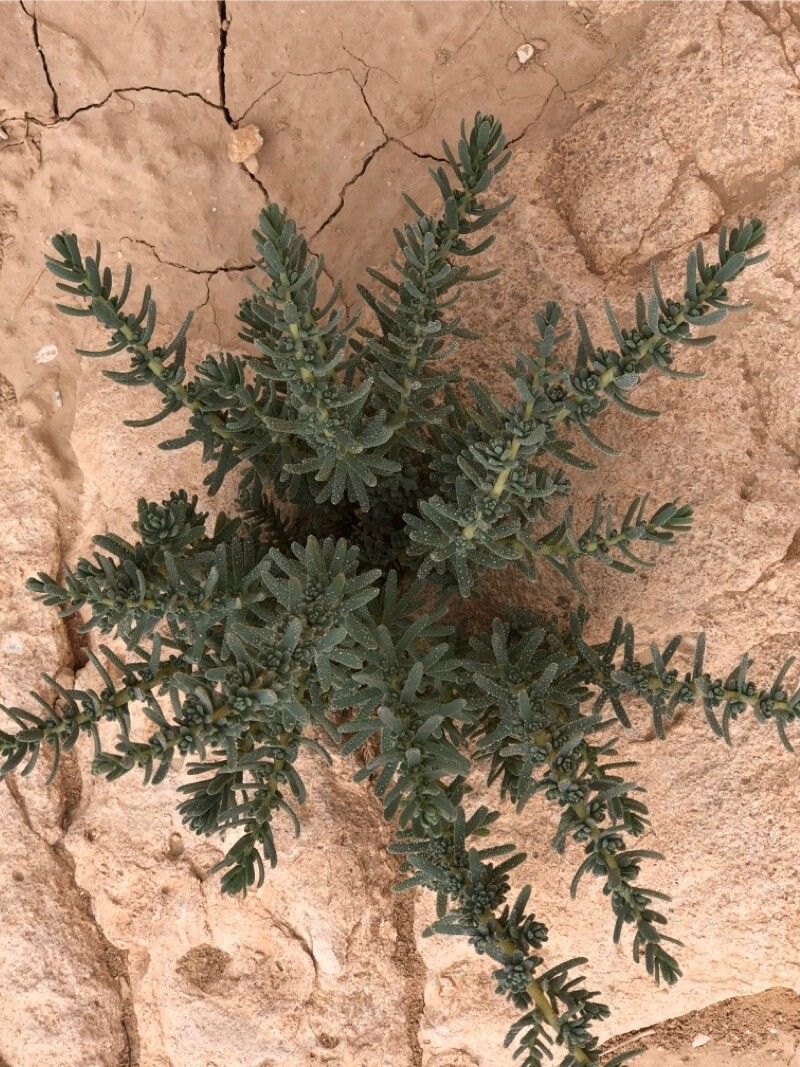
Oh, hello there, fellow garden enthusiasts! Pull up a chair and let’s chat about a plant that’s truly captured my heart over the years: Reaumuria hirtella. If you’ve ever admired its delicate, silvery foliage and charming little pink flowers, you’re not alone. It’s a plant that brings a touch of subtle elegance to any garden, and the joy of nurturing a new life from a tiny piece of an established one? Well, that’s just pure gardening magic.
Now, I know what you might be thinking: is it tricky? For true beginners, I’d say Reaumuria hirtella leans on the slightly more challenging side, but don’t let that deter you! With a little patience and these tried-and-true methods, you’ll be well on your way to success. It’s a rewarding challenge, and I promise, the first time you see those tiny roots emerge, you’ll feel a thrill like no other.
The Best Time to Start
When it comes to Reaumuria hirtella, the sweet spot for propagation is definitely late spring to early summer. This is when the plant is in its active growing phase, bursting with energy. New growth that’s just starting to harden off, often called “semi-ripe” cuttings, will have the best chance of rooting. Avoid taking cuttings from wood that’s too soft and floppy or from branches that are already really woody and mature.
Supplies You’ll Need
Here’s a little kit to get you started. Don’t worry if you don’t have everything brand new; often, what you have in your garden shed is perfectly suitable.
- Sharp pruning shears or a clean, sharp knife: Essential for making clean cuts.
- Rooting hormone powder or gel: This is your secret weapon for encouraging robust root development.
- A well-draining potting mix: I like a blend of equal parts seed-starting mix and perlite or coarse sand. This ensures excellent drainage, which is crucial for Reaumuria hirtella.
- Small pots or trays: Whatever you have on hand will work, just make sure they have drainage holes.
- A plastic bag or propagator: To create a humid environment around your cuttings.
- Labels: To remember what you’ve planted and when!
Propagation Methods
Let’s dive into the how-to! We’ll focus on stem cuttings, as this is generally the most effective method for Reaumuria hirtella.
Stem Cuttings:
- Gather Your Cuttings: On a lovely morning, when the dew has dried, select healthy, non-flowering shoots from your established plant. Look for stems that are about 4-6 inches long.
- Make the Cut: Using your clean shears, make a cut just below a leaf node (where a leaf attaches to the stem). This is where the magic of root formation is most likely to happen.
- Prepare the Cutting: Gently remove the leaves from the bottom half of the stem. This prevents them from rotting once they’re planted. If the remaining leaves are quite large, you can even tip-prune them in half to reduce water loss.
- Apply Rooting Hormone: Dip the cut end of the stem into your rooting hormone, ensuring it’s coated. Tap off any excess.
- Plant Your Cuttings: Fill your pots or trays with your well-draining mix. Make a small hole with a pencil or your finger and gently insert the prepared cutting. Firm the soil gently around the stem to ensure good contact.
- Water Gently: Water thoroughly but gently, making sure the soil is evenly moist but not waterlogged. You don’t want to wash away that lovely rooting hormone!
- Create Humidity: Cover the pots or trays loosely with a plastic bag or place them in a propagator. This will help maintain a humid environment, which your cuttings desperately need to prevent drying out.
The “Secret Sauce” (Pro Tips)
Here are a few little tricks I’ve learned over the years that can make a big difference:
- Bottom Heat is Your Friend: If you have a propagation mat or a warm windowsill, providing a little bottom heat can significantly speed up root development. It basically mimics the warmth of spring soil.
- Don’t Overcrowd: Give your cuttings a little breathing room in their pots. If they’re too close together, they can be more prone to fungal issues. It’s better to have a few successful cuttings than a pot full of rotters!
- Cleanliness is Key: Always sterilize your tools, pots, and even your hands before you start. Fungal diseases can be the bane of propagation, and a clean start is a massive preventative measure.
Aftercare & Troubleshooting
Once your cuttings are planted, keep them in a brightly lit spot but out of direct, harsh sunlight. The humidity tent should stay on. You’ll want to check the moisture of the soil regularly – it should feel slightly damp to the touch. If it starts to dry out, give it a light watering.
You’ll know your cuttings are taking root when you start to see new, tiny leaves appearing. This can take anywhere from a few weeks to a couple of months. Once they’re clearly showing signs of growth, you can gradually remove the plastic bag over a few days to acclimate them to normal humidity.
Now, what if things don’t go according to plan? The most common issue is rot. If you see your cuttings turning brown, mushy, or black, it’s usually a sign of too much moisture and not enough air circulation. In this case, it’s best to discard the affected cuttings to prevent it from spreading. Sometimes, they just don’t take, and that’s okay too! Gardening is a journey of experimentation.
A Encouraging Closing
So, there you have it! Propagating Reaumuria hirtella might require a little patience and a watchful eye, but the rewards are so worth it. Think of all the new homes you can fill with these beautiful plants, or the lovely gifts you can share with friends. Don’t get discouraged if your first attempt isn’t perfect. Just keep trying, observe your plants, and most importantly, enjoy the process of nurturing new life. Happy gardening!
Resource:
https://identify.plantnet.org/k-world-flora/species/Reaumuria%20hirtella%20Jaub.%20&%20Spach/data