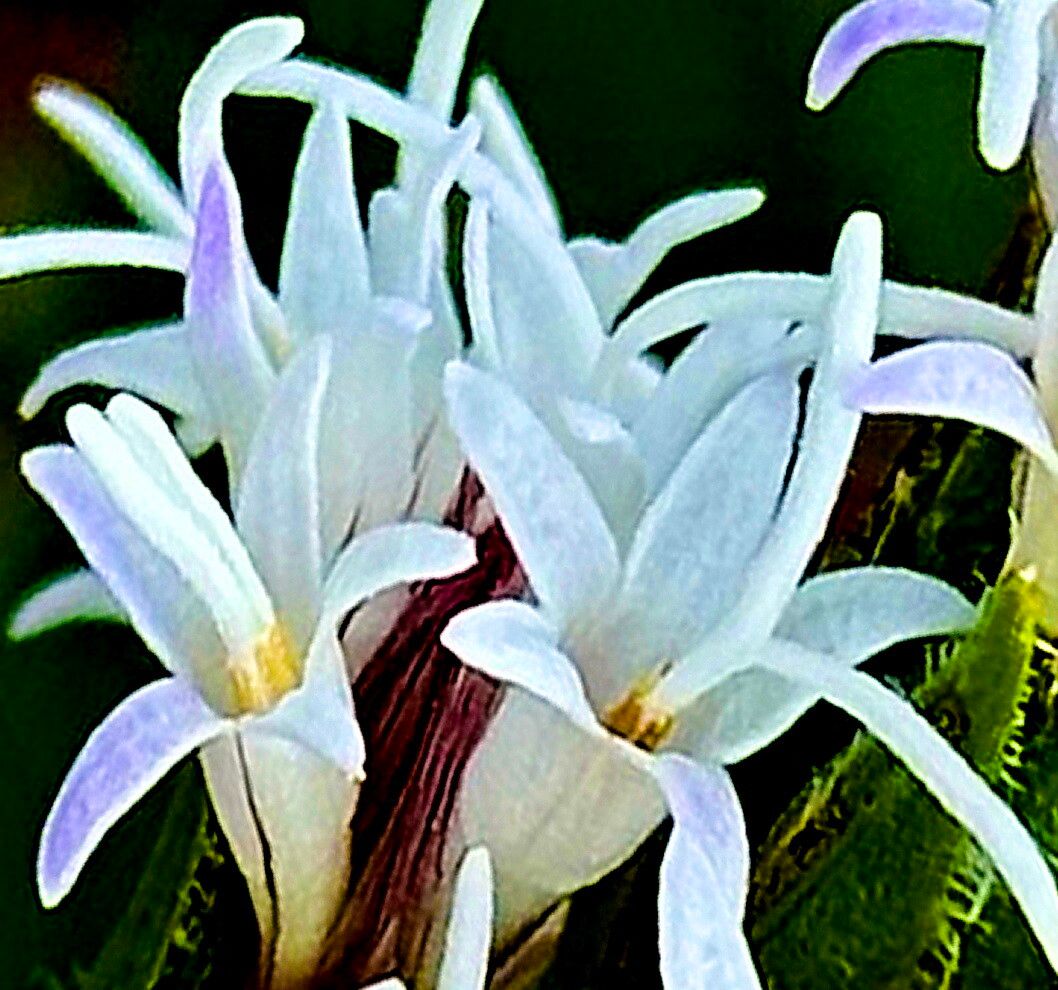
Ah, Liatris punctata! You’ve got a real treasure there. Also known as Dotted Blazing Star or Prairie Liatris, this native prairie beauty is a magnet for pollinators with its spiky, vibrant purple blooms. Watching those fuzzy bees and butterflies flock to your garden is pure joy, and propagating them yourself? That’s a whole other level of garden satisfaction. It brings me so much pleasure to share what I’ve learned over the years, and I’m happy to report that Liatris punctata is generally quite amenable to propagation, even for those just starting out.
The Best Time to Start
For Liatris punctata, I find the late spring to early summer is your golden window. This is when the plant is actively growing, full of energy, and ready to put out new shoots. Waiting until after the initial bloom or when the plant is well-established in its growth cycle really sets you up for success.
Supplies You’ll Need
Here’s a little kit I always have handy for my Liatris propagation adventures:
- Potting Mix: A well-draining mix is crucial. I like to use a blend of equal parts peat moss or coconut coir, perlite, and coarse sand. For division, you can usually just use your native garden soil if it’s not too heavy.
- Sharp Pruning Shears or a Knife: Clean cuts are happy cuts! Make sure your tools are sterilized with rubbing alcohol to prevent disease.
- Small Pots or Trays: Depending on the method, you’ll need containers to get your new plants started. Make sure they have drainage holes.
- Rooting Hormone (Optional but Recommended): A good rooting hormone powder can give your cuttings a significant boost.
- Watering Can or Spray Bottle: For gentle watering.
- Labels: You’ll thank yourself later!
Propagation Methods
Liatris punctata is most commonly and successfully propagated through division and stem cuttings. Let’s dive into how to do each.
Division: Sharing the Wealth
This is my go-to method for Liatris punctata. It’s like giving your plant a little haircut and a chance to expand.
- Dig Gently: In the late spring or early summer, carefully dig around the base of your established Liatris plant. You want to loosen the soil and expose the root structure without causing too much damage.
- Expose the Roots: Once the plant is lifted, gently brush away excess soil to reveal the clumps of roots and crowns. You’ll often see where the plant is naturally dividing itself.
- Divide with Care: Using your hands or a clean spade, gently pull the clumps apart. Each division should have at least one healthy root and a viable growing point (a small bud or shoot). If it’s a bit stubborn, a clean knife can help.
- Replant Immediately: Take your divisions and replant them in their new homes or into containers filled with your well-draining potting mix. Make sure the crown (where the stems emerge from the roots) is at or just slightly above soil level.
- Water Well: Give them a good, gentle watering to settle the soil.
Stem Cuttings: A Little More Patience Needed
This method requires a bit more finesse, but the reward of a new plant from a single stem is fantastic.
- Take Your Cuttings: In late spring or early summer, select a healthy, non-flowering stem. Using your sterilized pruning shears, make a clean cut about 4-6 inches long, right below a leaf node (where a leaf attaches to the stem).
- Prepare the Cutting: Gently remove the lower leaves from the cutting, leaving only the top few. This prevents them from rotting in the soil.
- Apply Rooting Hormone: Dip the cut end into your rooting hormone powder, tapping off any excess.
- Plant the Cutting: Fill a small pot with your well-draining potting mix. Make a small hole with a pencil or your finger and insert the cutting, ensuring the leaf nodes are buried.
- Water and Cover: Water gently. To create a humid environment, you can cover the pot with a clear plastic bag or place it in a propagation dome. Make sure the leaves aren’t touching the plastic.
- Provide Warmth: Place the pot in a bright location, but out of direct, harsh sunlight. Bottom heat from a seedling mat can dramatically speed up root development.
The “Secret Sauce” (Pro Tips)
Here are a couple of tricks I’ve learned over the years that really make a difference:
- When dividing, don’t be afraid to get your hands dirty! Sometimes the best way to see where to separate is to gently tease the roots apart with your fingers. You’re strengthening the plant by giving it more space.
- If you’re doing stem cuttings, avoid letting the leaves touch the water if you’re using a water propagation method (though I find soil better for Liatris). If you’re misting, do it lightly. Too much moisture can encourage fungal diseases.
- For stem cuttings, air circulation is your friend. If you’re using a plastic bag, poke a few small holes in it for ventilation to prevent mold.
Aftercare & Troubleshooting
Once your divisions are replanted or your cuttings have taken root (you’ll see new leaf growth, usually within a few weeks to a couple of months), it’s time for a little TLC.
- Keep Them Moist, Not Soggy: Continue to water gently. The soil should always feel damp to the touch, but never waterlogged. Overwatering is the quickest way to signal trouble.
- Gradual Acclimation: If you’ve covered your cuttings, slowly acclimate them to your regular garden humidity by gradually opening the bag or dome over a week or two.
- Watch for Rot: The most common sign of failure is rot. If your cuttings turn mushy and black, or if your divisions look limp and waterlogged despite proper watering, it’s likely due to too much moisture or poor drainage. Learn from it, adjust your watering, and try again.
Happy Growing!
Propagating Liatris punctata is such a rewarding experience. It’s a journey of patience and observation, and with a little care, you’ll be rewarded with even more of these stunning native beauties to grace your garden or to share with fellow plant lovers. Enjoy the process, and don’t be discouraged if your first attempt isn’t perfect. Every gardener learns as they grow!
Resource:
https://identify.plantnet.org/k-world-flora/species/Liatris%20punctata%20Hook./data