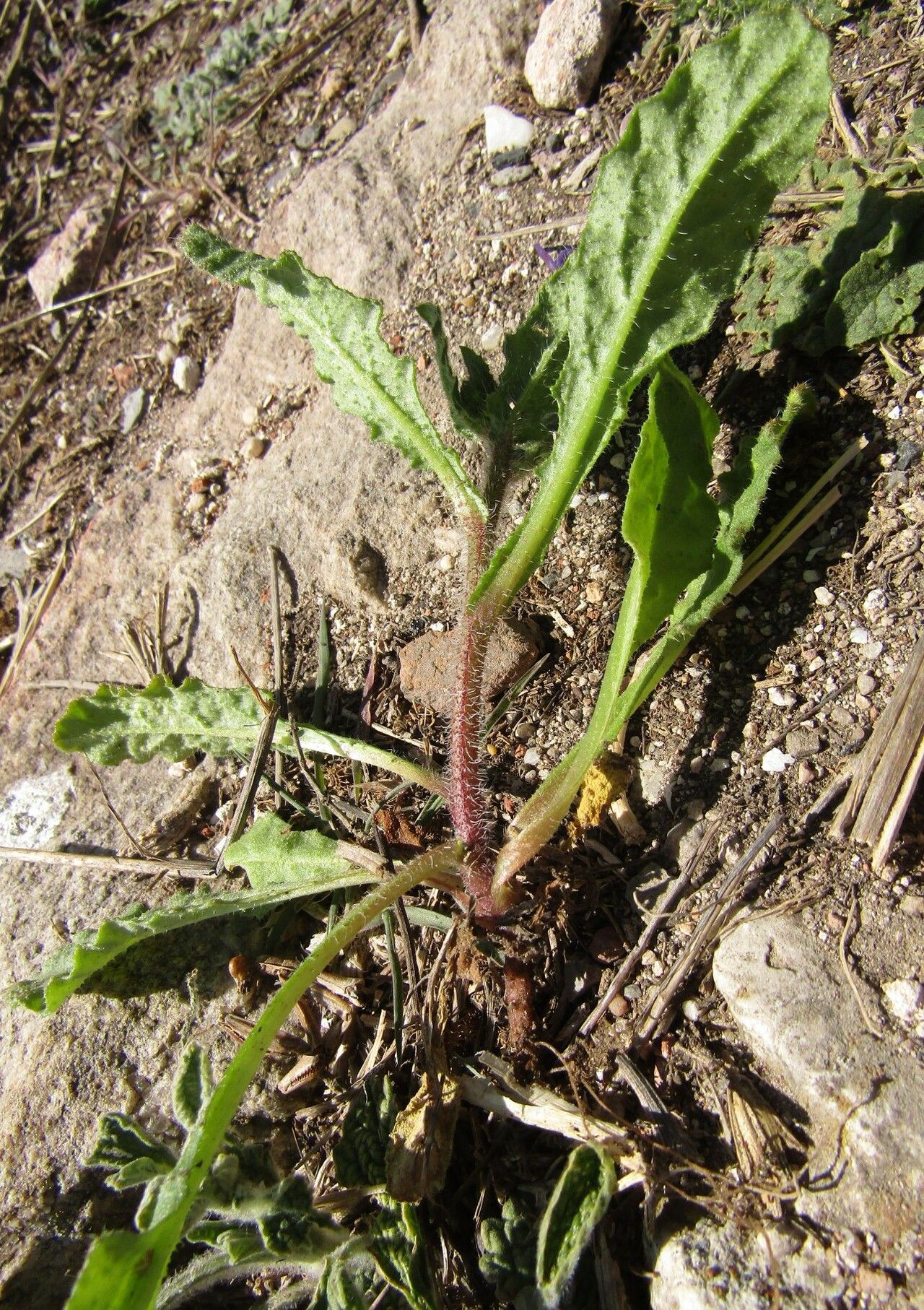
Oh, Anchusa stylosa! If you’ve ever seen this beauty gracing a garden, you’ll understand the allure. Those sky-blue, daisy-like flowers are just a dream against a backdrop of green. And the best part? They have this lovely habit of blooming for quite a spell if you get them happy. Propagating them yourself is incredibly rewarding. You get to share these little pieces of magic with friends, or just fill your own garden space with even more of that glorious blue.
Now, if you’re new to the gardening game, I’d say Anchusa stylosa is a solid choice. It’s not overly fussy, and with a little guidance, you’ll be well on your way to success.
The Best Time to Start
For Anchusa stylosa, spring is your best bet. Think of it as the plant waking up from its winter nap and gearing up for a growth spurt. This is when the stems are full of vigor, and they’re most likely to root readily. Aim to take cuttings just as the plant starts showing new growth, before it gets too hot and stressed.
Supplies You’ll Need
Here’s what you’ll want to gather before you get your hands dirty:
- Sharp pruning shears or a clean knife: For making nice, clean cuts.
- Rooting hormone (optional but helpful): Especially for encouraging quicker root development.
- Small pots or trays: Clean ones are a must to prevent disease.
- Propagation medium: I usually go for a mix of equal parts perlite and peat moss or coco coir. This drains well and holds just enough moisture.
- Watering can or spray bottle: For gentle watering.
- Plastic bags or a propagator lid: To create a humid environment.
- Labels: So you don’t forget what you planted where!
Propagation Methods
Anchusa stylosa is quite amenable to stem cuttings. It’s my go-to method for this plant, and it works like a charm.
- Take Your Cuttings: When you see new shoots emerging in spring, look for healthy, non-flowering stems that are about 4-6 inches long. Using your sharp shears or knife, make a clean cut just below a leaf node (that’s where a leaf attaches to the stem).
- Prepare the Cuttings: Gently remove the lower leaves from your cuttings. You want to leave just a few leaves at the top. If the remaining leaves are very large, I sometimes cut them in half horizontally to reduce water loss through transpiration.
- Apply Rooting Hormone (If Using): Dip the cut end of each stem into your rooting hormone. Tap off any excess.
- Plant the Cuttings: Fill your pots with your propagation mix. Make a small hole in the center with a pencil or your finger. Insert the prepared cutting into the hole, making sure the leaf nodes you cleaned are below the surface of the soil. Gently firm the soil around the stem.
- Water Gently: Water the pot thoroughly but gently, so you don’t dislodge the cuttings.
The “Secret Sauce” (Pro Tips)
Now, for a couple of little tricks that have saved many a cutting for me:
- Bottom Heat is Your Friend: If you have it, placing your pots on a gentle heating mat can significantly speed up root formation. It mimics the warmth of spring soil and encourages those roots to get going.
- Don’t Drench, Mist! Once your cuttings are planted and the pot is watered in, I find it’s best to keep the propagation medium consistently moist but not soggy. A fine mist spray from your spray bottle multiple times a day is often better than a heavy watering, which can lead to rot. I usually pop a clear plastic bag loosely over the pot or use a propagator lid to maintain that lovely humidity.
Aftercare & Troubleshooting
Once your cuttings have been planted, keep them in a bright spot out of direct sunlight. And remember that humidity we talked about? Keep that plastic bag or lid on, lifting it for a few minutes each day to allow for air circulation.
You’ll know your cuttings are happy when you see new leaf growth emerging. This is a great sign they’re starting to root! You can also give them a very gentle tug; if there’s resistance, roots are forming. Once they’ve rooted, you can gradually introduce them to more normal conditions and transplant them into slightly larger pots.
The most common issue you might run into is rot. This usually happens if the cuttings are too wet, the air is too stagnant, or if disease was present on the parent plant or your tools. If you see a cutting turning black and mushy, unfortunately, it’s best to discard it and clean your tools thoroughly before trying again.
A Encouraging Closing
Propagating Anchusa stylosa is a journey, and like any good garden project, it requires a little patience. Don’t be discouraged if not every cutting takes. Just observe, learn, and celebrate the successes! Enjoy the process of nurturing these new plants; it’s one of the most satisfying things you can do in the garden. Happy propagating!
Resource:
https://identify.plantnet.org/k-world-flora/species/Anchusa%20stylosa%20M.Bieb./data