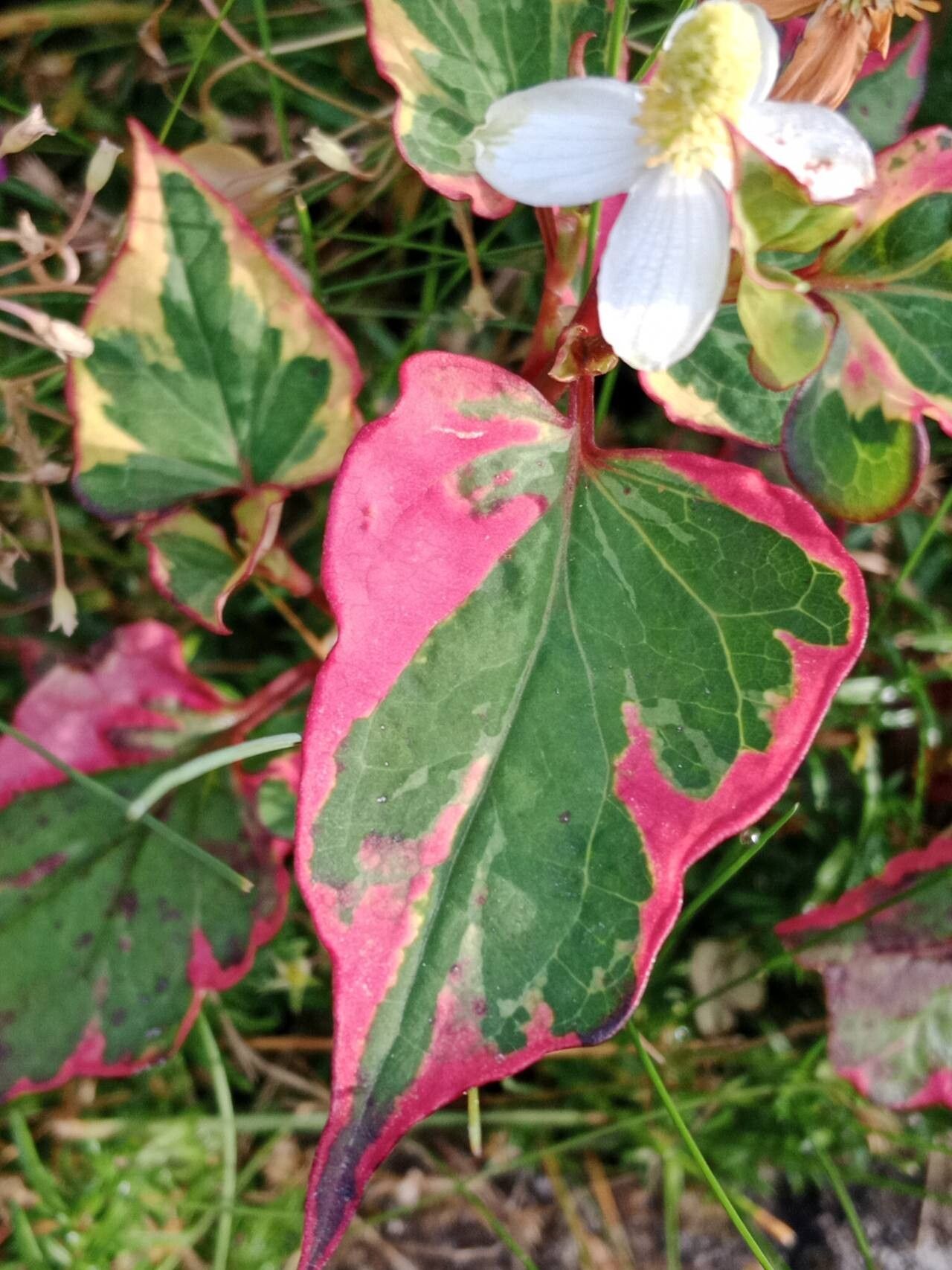
Oh, Houttuynia cordata! What a delightful plant to have in the garden. Its heart-shaped leaves, often splashed with beautiful variegation, bring such lovely texture and color, especially in shady, moist spots. Growing extra plants is so satisfying, and thankfully, Houttuynia is a pretty forgiving plant to propagate, even for those just starting out with their green thumb. Let’s dive in and create more of this garden gem!
The Best Time to Start
My favorite time to get Houttuynia going is in the late spring or early summer. This is when the plant is actively growing, putting out those fresh, new shoots that root the most readily. Waiting until after the initial spring flush means you’ll have plenty of healthy material to work with.
Supplies You’ll Need
Before we get our hands dirty, let’s gather our tools:
- Sharp Pruning Shears or a Craft Knife: For clean cuts that heal well.
- Small Pots or Trays: Clean ones are a must to prevent disease.
- Propagation Potting Mix: A light, airy mix is best. I like to use a blend of peat moss or coco coir, perlite, and a bit of compost. You can also buy pre-made potting mixes specifically for propagation.
- Rooting Hormone (Optional): While Houttuynia roots easily without it, a little dip can speed things up.
- Watering Can with a Fine Rose: For gentle watering.
- Plastic Bags or Cloches: To create a humid environment for cuttings.
- Labels and a Marker: To keep track of what you’ve planted.
Propagation Methods
Houttuynia is a champion of vegetative propagation, meaning we can easily make new plants from pieces of the parent. Here are my go-to methods:
1. Stem Cuttings
This is my most common and successful approach.
- Select Shoots: Look for healthy, non-flowering stems that are about 4-6 inches long. They should be slightly woody at the base but still flexible.
- Make the Cut: Using your clean shears, make a cut just below a leaf node. This is a point on the stem where a leaf grows. Roots tend to emerge from these nodes.
- Prepare the Cuttings: Gently remove the lower leaves, leaving just the top 2-3 leaves. This prevents leaves from rotting in the soil or water. If you’re using rooting hormone, dip the cut end into it now.
- Plant Them Up: Fill your pots with your prepared potting mix. Make small holes with a pencil or your finger and insert the cuttings, ensuring the leaf nodes are buried. Gently firm the soil around them.
- Water and Cover: Water thoroughly but gently. Then, cover the pots with a clear plastic bag or a mini greenhouse (cloche). This traps moisture and creates that crucial humid environment.
2. Water Propagation
This method is incredibly satisfying to watch!
- Choose Your Stems: Similar to stem cuttings, select healthy, non-flowering shoots about 4-6 inches long.
- Prepare Them for Water: Remove all but the top 2-3 leaves.
- Place in Water: Put the cuttings in a jar or glass of clean water. Make sure the water level is high enough to cover the leaf nodes where you removed the leaves, but importantly, keep the remaining leaves out of the water.
- Find a Bright Spot: Place the jar in a location with bright, indirect light.
- Change Water Regularly: Change the water every few days to keep it fresh and prevent bacterial growth. You’ll start to see tiny white roots emerging from the nodes in a week or two! Once the roots are about an inch long, you can transplant them into potting mix.
3. Division
Houttuynia, especially the more vigorous varieties, can spread quite a bit. Dividing it is a fantastic way to manage its spread and get more plants.
- Dig Up the Plant: In spring or early fall, carefully dig up the entire clump. You can do this before it gets too hot in summer.
- Examine the Roots: Gently shake off excess soil to see the root system. You’ll notice that the plant forms rhizomes (underground stems) that sprout new shoots.
- Separate the Divisions: With your hands or a clean spade, gently pull or cut the root ball apart into sections. Each section should have at least one good eye or shoot and a decent amount of roots.
- Replant Immediately: Plant your divisions just as you would a new Houttuynia, ensuring the top of the root ball is level with the soil surface. Water them in well.
The “Secret Sauce”
After all these years, I’ve picked up a few tricks that really boost my success rates:
- Don’t Let the Leaves Touch the Water: I can’t stress this enough for water propagation! Those submerged leaves are a one-way ticket to rot. If your cutting is getting too long, trim it back.
- Use Bottom Heat for Cuttings: If you’re serious about propagation, a heated propagation mat placed under your cutting trays makes a world of difference. It encourages root development much faster by keeping the soil consistently warm. It’s like a little spa day for your cuttings!
- Patience with the Rotters: Sometimes, a cutting just won’t make it. Don’t get discouraged! It’s part of the process. Pull out any cuttings that look black or mushy right away to prevent it from spreading.
Aftercare & Troubleshooting
Once your cuttings have developed a good root system (you’ll see new growth on top, or you can gently tug on a cutting – if there’s resistance, it has roots!), it’s time to give them more space.
- Acclimate Them: Gradually remove the plastic cover from your cuttings over a few days to get them used to normal humidity.
- Water Consistently: Keep the new plants consistently moist but not waterlogged. Houttuynia loves damp conditions.
- Watch for Rot: The biggest enemy of new cuttings is rot. If you see stems turning black and mushy, it’s usually a sign of too much moisture and poor air circulation. Make sure your potting mix is draining well and increase air flow. If you’ve dug divisions, rot can occur if they’re planted too deep or in soil that stays soggy.
A Gentle Encouragement
Propagating Houttuynia is a wonderfully rewarding journey. It’s a chance to connect with your plants on a deeper level and share their beauty with others. Be patient with yourself and your new plant babies. Some take their time, while others surprise you with their speed. Enjoy the process, and soon you’ll have more of this lovely plant than you know what to do with – which is exactly what we want, right? Happy propagating!
Resource:
https://identify.plantnet.org/k-world-flora/species/Houttuynia%20cordata%20Thunb./data