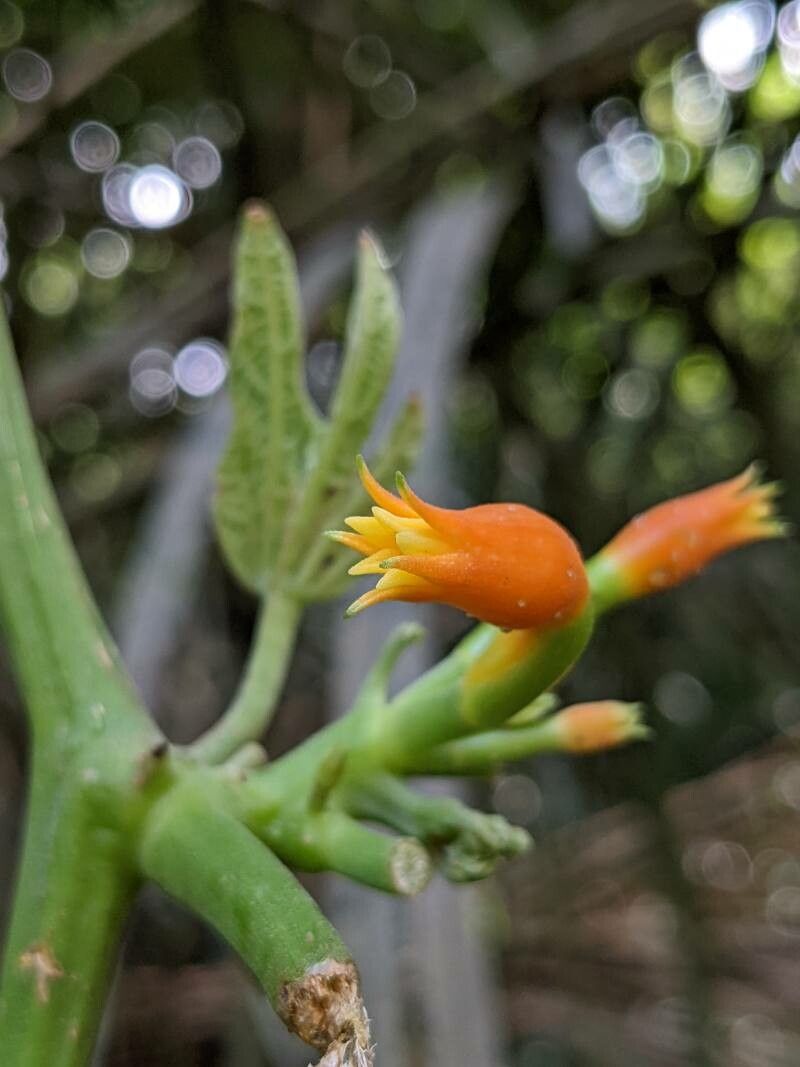
Hello, fellow plant lovers! Today, we’re diving into the wonderful world of Gurania lobata. If you haven’t met this beauty yet, prepare to be charmed. Its distinctive lobed leaves and tendency to develop into a lush, cascading marvel make it a real showstopper in any garden or home. And the best part? Bringing more of these beauties into your life through propagation is incredibly rewarding. While Gurania lobata isn’t the most forgiving plant for absolute beginners, with a little patience and these tips, you’ll be a pro in no time!
The Best Time to Start
For the highest success rate with Gurania lobata, aim for late spring to early summer. This is when the plant is in its most vigorous growth phase, and cuttings taken now will have ample time to root before cooler weather sets in. Think of it as giving your new little plants the best possible start in ideal conditions.
Supplies You’ll Need
Here’s what you’ll want to gather before you begin:
- Sharp, clean pruning shears or a sharp knife: For making clean cuts.
- Potting mix: A well-draining mix is crucial. I’ve found a blend of equal parts perlite and high-quality potting soil works wonders. Some gardeners also like to add a bit of orchid bark for extra aeration.
- Small pots or propagation trays: Clean ones, of course!
- Rooting hormone (optional but recommended): This can significantly speed up the process and improve success rates. Look for one containing IBA.
- Plastic bag or a clear plastic dome: To create a humid environment.
- Watering can or spray bottle: For gentle watering.
- Labels: To keep track of your different propagation efforts!
Propagation Methods
Let’s get our hands dirty! The most reliable way to propagate Gurania lobata is through stem cuttings.
Stem Cuttings
- Take a cutting: Choose a healthy, non-flowering stem from your mature Gurania lobata. Look for stems that are at least 4-6 inches long and have several sets of leaves. Using your clean pruning shears, make a cut just below a leaf node (the little bump where a leaf attaches to the stem).
- Prepare the cutting: Gently remove the lower leaves from the cutting, leaving just 2-3 leaves at the top. This helps the plant focus its energy on rooting rather than supporting too much foliage. If any of the remaining leaves are very large, you can even cut them in half horizontally to reduce water loss.
- Apply rooting hormone: If you’re using rooting hormone, dip the cut end of the stem into the powder or gel. Tap off any excess.
- Pot up: Fill your small pots with your well-draining potting mix. Make a small hole in the center with your finger or a pencil. Carefully insert the cut end of the Gurania lobata stem into the hole, making sure the leaf nodes are nicely buried in the soil. Gently firm the soil around the cutting.
- Water gently: Water the soil thoroughly but gently, ensuring good contact between the cutting and the soil.
- Create humidity: Place the potted cutting into a clear plastic bag, sealing it loosely. Alternatively, use a clear plastic dome over the pot. This traps humidity around the cutting, which is vital for root development.
- Find a bright spot: Place the pot in a warm location with bright, indirect light. Avoid direct sunlight, as this can scorch the delicate cuttings.
The “Secret Sauce” (Pro Tips)
Here are a few tricks I’ve learned over the years that can really boost your propagation game:
- Bottom heat is your friend: Gurania lobata absolutely loves warmth, especially from below. Placing your pots on a heat mat designed for plants can significantly speed up root formation. You’ll often see roots developing much faster this way.
- Don’t drown your cuttings: While humidity is key, soggy soil is a recipe for disaster. Check the moisture level of your soil regularly. You want it consistently moist, not waterlogged. If you can squeeze water out of a handful of soil, it’s too wet.
- Patience with aerial roots: Sometimes, you might notice little fuzzy aerial roots forming on the stem before the main roots develop in the soil. Don’t be alarmed! This is a good sign of vigor, and they’ll likely transition to soil roots.
Aftercare & Troubleshooting
Once you start seeing signs of new growth – tiny leaves emerging or even a slight tug on the cutting indicating resistance – that’s a good sign roots have formed!
- Acclimatize gradually: Little by little, open the plastic bag or dome for a few hours each day to help the new plant adjust to normal humidity levels. Once it’s clearly growing and looks robust, you can remove the covering entirely.
- Watering: Continue to water as you did initially, keeping the soil consistently moist but not soggy. As the plant grows, you can gradually move it into a slightly larger pot.
- Signs of trouble: The most common issue you’ll encounter is rot. This usually happens when the soil stays too wet for too long, or if the cutting is kept in too cold a temperature. If you see the stem turning mushy and black, it’s likely rotten. Unfortunately, there’s not much to be done once this sets in, so prevention is key. Another sign of failure is if the cutting simply wilts and never recovers, even in high humidity. This might indicate the cutting wasn’t healthy to begin with or didn’t get enough warmth.
A Little Encouragement to Grow
Propagating Gurania lobata is a journey, and like all good things in the garden, it takes a bit of time and observation. Don’t get discouraged if your first attempt isn’t perfect. Every cutting you take is a learning opportunity. Enjoy the process of watching tiny roots emerge and new leaves unfurl. Happy propagating!
Resource:
https://identify.plantnet.org/k-world-flora/species/Gurania%20lobata%20(L.)%20Pruski/data