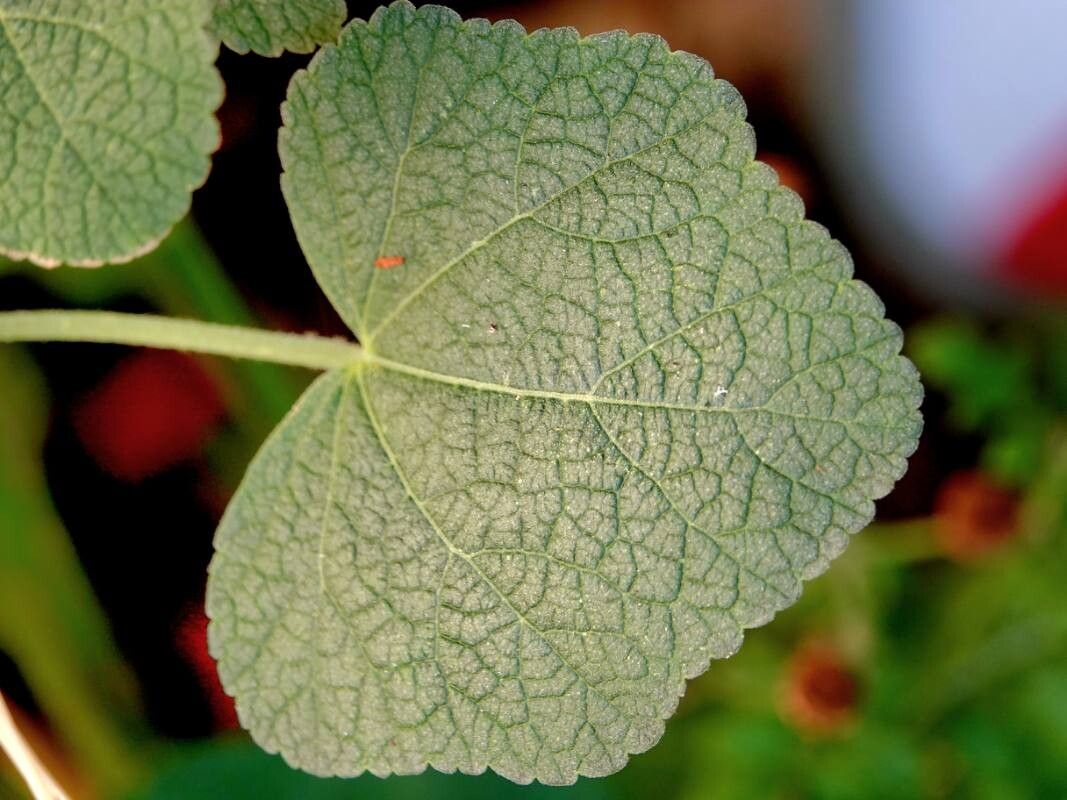
Oh, hello there! So, you’ve fallen for the charms of Alcea biennis, haven’t you? I don’t blame you one bit. There’s something truly magical about those tall, elegant spires of blooms, isn’t there? They just add such a wonderful vertical presence to the garden. And the best part? Propagating them yourself is a truly rewarding experience. You get to nurture new life from something already growing, and think of all the extra hollyhocks you’ll have! Now, if you’re new to this gardening game, I’d say propagating Alcea biennis is moderately easy. It’s not as foolproof as a spider plant, but with a little care and attention, you’ll be well on your way.
When to Get Your Hands Dirty
The absolute best time to start propagating Alcea biennis is in late spring or early summer, right after the plant has finished its main flowering flush for the season. This is when the plant has plenty of energy stored up, making it more robust and ready to produce new roots. You can also try in early autumn, but spring propagation generally offers a higher success rate.
Your Propagation Toolkit
You don’t need anything too fancy to get started. Here’s what I usually have on hand:
- Sharp pruning shears or a clean knife: For making clean cuts.
- Potting mix: A well-draining mix is key. I like a blend of potting soil and perlite (about 3 parts soil to 1 part perlite).
- Small pots or seed trays: Clean ones are important to prevent disease.
- Rooting hormone (optional but recommended): This can give your cuttings a good head start.
- Plastic bags or a propagator lid: To create a humid environment.
- Watering can or spray bottle: For gentle watering.
Bringing New Life Forth: Propagation Methods
For Alcea biennis, I find stem cuttings to be the most reliable method.
- Select your plant: Choose a healthy, vigorous parent plant.
- Take your cuttings: Using your clean pruning shears, snip off a non-flowering stem that is about 6-8 inches long. Try to take it from a side shoot rather than the main stem.
- Prepare the cuttings: Remove the lower leaves from the cutting, leaving just the top few pairs. This prevents them from rotting when buried. If you’re using rooting hormone, dip the cut end of the stem into it now.
- Plant your cuttings: Fill your pots or trays with your prepared potting mix. Make a hole with your finger or a pencil and gently insert the cut end of the stem. Firm the soil around it.
- Water gently: Water the soil thoroughly but gently. You want it moist, not soggy.
- Create humidity: Cover the pots with a clear plastic bag or a propagator lid. This will trap moisture and create a mini-greenhouse effect. Make sure the leaves aren’t touching the plastic if possible.
- Find a bright spot: Place your cuttings in a bright location, but out of direct sunlight. This can scorch the delicate new cuttings.
- Be patient! Keep the soil consistently moist but not waterlogged. You may need to mist the cuttings occasionally if you’re not using a propagator lid.
The “Secret Sauce” – My Insider Tips
Here are a few little tricks I’ve picked up over the years that can really boost your propagation success:
- Bottom Heat is Your Friend: If you have a heated propagator or a heat mat, using bottom heat can significantly speed up root development. A gentle warmth from below encourages those roots to form faster.
- Don’t Be Afraid to Sacrifice: Sometimes, you’ll get a cutting that looks a little sad. If it’s not perking up after a couple of weeks, it might be best to discard it and try again. It’s better to focus your energy on the cuttings that show promise.
- The “Snap” Test: Once you think your cuttings might have rooted, give a gentle tug. If you feel resistance, that’s a good sign that roots have formed. You can also carefully tip the pot out to check.
Aftercare and What to Watch For
Once you see signs of new growth, like tiny leaves appearing, that’s usually a good indicator that roots have developed. Gradually acclimate your new plants to life outside their humid enclosure by opening the plastic bag a little more each day over a week. Continue to water gently.
The most common issue you might encounter is rot. This usually happens when the soil is too wet for too long, or there isn’t enough air circulation. If you see stem rot or a mushy base, sadly, it’s often time to toss that cutting. Prevention is key here: good drainage and avoiding overwatering are your best defense.
Keep Growing!
See? It’s not so daunting after all. Propagating these beautiful Alcea biennis is a wonderful way to fill your garden with more of their charm. Don’t get discouraged if your first few attempts aren’t perfect. Gardening is a journey, and each experience teaches you something new. Just keep at it, enjoy the process, and soon you’ll be surrounded by your very own hollyhock blooms! Happy gardening!
Resource:
https://identify.plantnet.org/k-world-flora/species/Alcea%20biennis%20Winterl/data