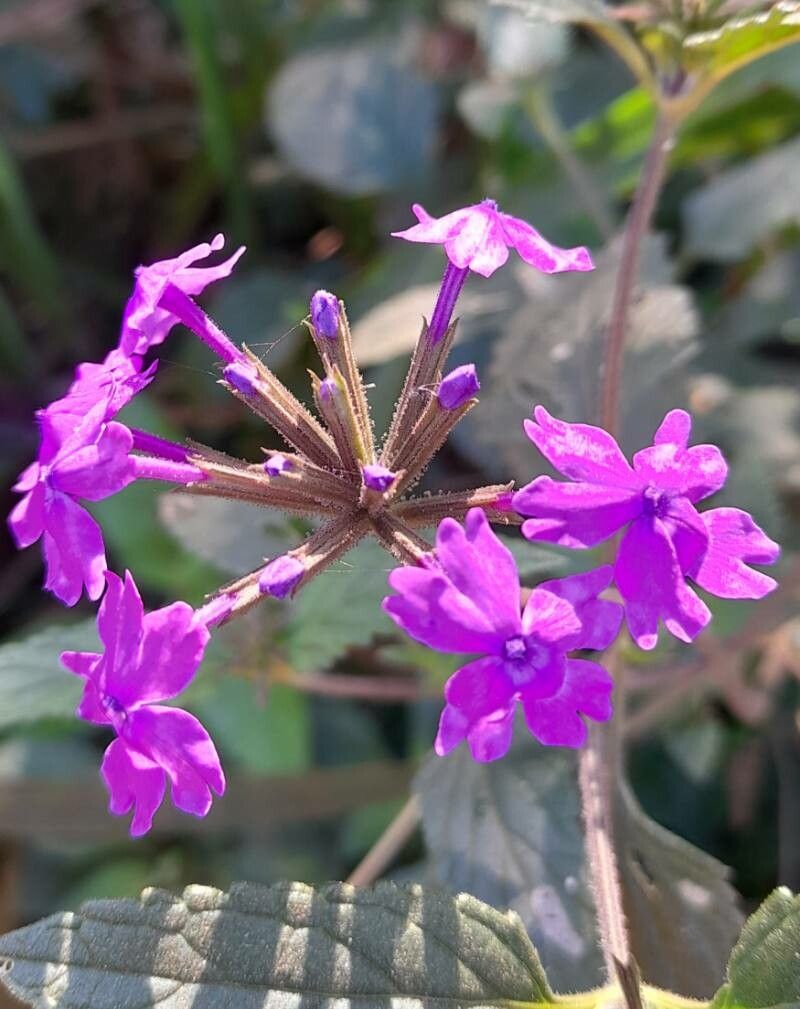
Hello there, fellow garden enthusiasts! It’s so good to be sharing my little corner of green with you today. You know, sometimes a plant just captures your heart, and for me, Verbena guaranitica is one of those beauties. Those tall spires of vibrant, electric blue flowers just dance in the breeze, attracting all sorts of beautiful pollinators. It’s truly a showstopper, and the best part? Getting more of this stunning plant for yourself is totally achievable. In fact, if you’re just dipping your toes into propagating, Verbena guaranitica is a wonderfully forgiving plant to practice on. Beginners, rejoice!
The Best Time to Start
When it comes to Verbena guaranitica, patience and timing are your best friends. I find the absolute sweet spot for propagation is during the active growing season. This typically means late spring through early summer. You want to take cuttings from healthy, new growth – think stems that are firm but not woody. Trying to propagate from very soft, new shoots can be a bit hit-and-miss, and attempting it in the deepest throes of summer heat or the chill of autumn can make it an uphill battle.
Supplies You’ll Need
Before we get our hands dirty, let’s gather our toolkit.
- Sharp pruning shears or a clean knife: For making neat cuts.
- Rooing hormone (optional but helpful): I like using a powdered one.
- Small pots or trays: Clean ones are a must! Think 3-4 inch pots.
- Well-draining potting mix: A mix of equal parts potting soil and perlite or coarse sand works wonders. I often add a bit of compost too.
- Plastic bags or a small propagator: To create a humid environment.
- Watering can or spray bottle: For gentle moisture.
- Labels: So you don’t forget what’s what!
Propagation Methods
Verbena guaranitica is wonderfully amenable to propagation by stem cuttings. It’s my go-to method for this plant.
Here’s how I do it:
- Select Your Cuttings: On a healthy, established plant, look for stems that have grown about 4-6 inches long. They should snap cleanly rather than bend. Carefully snip off a section just below a leaf node – that little bump where a leaf attaches to the stem. Remove the lower leaves, leaving just the top couple of leaves intact.
- Prepare the Cutting: If you’re using rooting hormone, dip the cut end of the stem into it. You don’t need to go wild; just a light dusting is fine.
- Potting Up: Fill your clean pots with your well-draining potting mix. Make a small hole in the center of the soil with your finger or a pencil.
- Planting the Cutting: Gently insert the cut end of your Verbena stem into the hole, ensuring the leaf nodes are below the soil surface. Firm the soil gently around the stem to hold it upright.
- Water and Cover: Water the soil lightly, just enough to moisten it. Then, place the pot inside a plastic bag or a propagator. This creates a mini-greenhouse effect, keeping humidity high, which is crucial for cuttings that haven’t developed roots yet.
The “Secret Sauce” (Pro Tips)
Alright, friends, let’s dive into a couple of little tricks of the trade that can really boost your success rate.
- Don’t let the leaves touch the water (if you’re tempted by water propagation): While some plants are happy to root directly in water, for Verbena guaranitica I’ve found it can sometimes lead to rot. If you do choose water propagation, make sure absolutely none of the leaves are submerged.
- Bottom heat is a game-changer: If you have a heat mat designed for seedlings, popping your pots on it can dramatically speed up root development. It mimics the warmth of spring soil, giving those cuttings the extra nudge they need.
Aftercare & Troubleshooting
Once your cuttings are happily nestled in their pots, the real work – or rather, the patient waiting – begins. Keep them in a bright, indirect light. Avoid direct sun, which can scorch tender new cuttings. Mist the leaves gently every few days if they start to look a bit sad, and check the soil moisture – it should be consistently moist but not waterlogged.
You’ll know you have success when you see new growth emerging from the top of the cutting, or when you gently tug on the cutting and feel resistance – a sign of roots below! This usually takes anywhere from 3 to 6 weeks.
The most common issue you might encounter is rot. If you see the stem turning mushy or black, it’s a sign of too much moisture and not enough air circulation. Don’t be discouraged! You can try removing the affected cutting and ensuring your soil is well-draining. Sometimes, a bit of trial and error is part of the learning process.
So there you have it! Propagating Verbena guaranitica is a deeply satisfying way to multiply your garden’s beauty. Be patient, give them a little TLC, and soon you’ll have an abundance of these amazing blue spires to share or enjoy. Happy gardening!
Resource:
https://identify.plantnet.org/k-world-flora/species/Verbena%20guaranitica%20(Tronc.)%20Moldenke/data