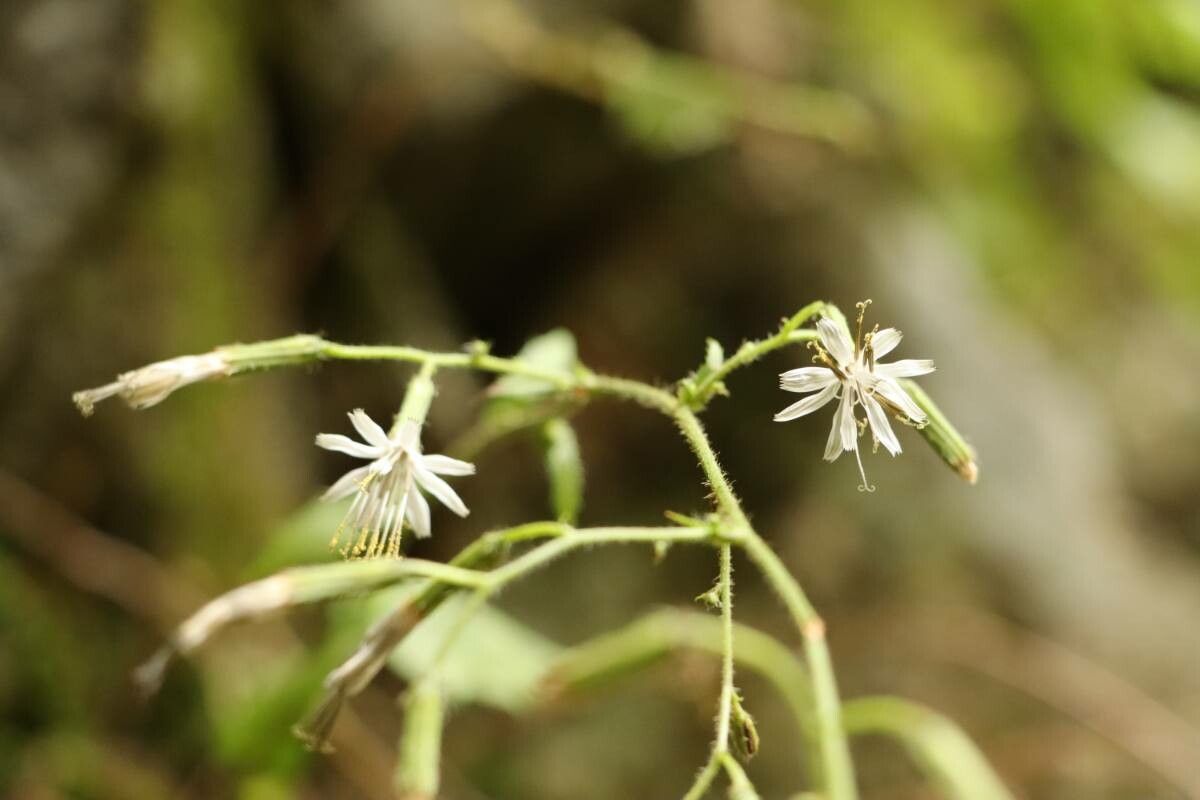
Hello fellow plant lovers! Today, we’re diving into the wonderful world of Nabalus acerifolius, or as I affectionately call it, the Mapleleaf Rattlesnake Root. If you’ve ever admired its elegant, maple-like leaves and its subtle, woodland charm, you’re in for a treat. Propagating this beauty allows you to share its garden magic or simply expand your own collection without breaking the bank. While Nabalus acerifolius can be a bit particular, with a few key techniques, you’ll find it quite rewarding. Don’t be intimidated; think of this as a friendly chat about getting more of those lovely plants to brighten your space.
The Best Time to Start
For the highest success rate with Nabalus acerifolius, I’ve found that late spring to early summer is your golden window. This is when the plant is actively growing and has plenty of energy to dedicate to developing new roots. You’re looking for new, but not overly soft, growth. Avoid trying to propagate from stressed or dormant plants; they just won’t have the vigor to get going.
Supplies You’ll Need
Gathering your supplies beforehand makes the whole process smoother. Here’s what I typically have on hand:
- Sharp pruning shears or a clean knife: For making clean cuts.
- Rooting hormone powder (optional, but recommended): This gives your cuttings a helpful boost.
- Well-draining potting mix: A good blend of perlite, peat moss, and a bit of compost works wonders.
- Small pots or trays with drainage holes.
- Watering can with a fine rose or a misting bottle.
- Plastic bags or a propagator lid: To create a humid environment.
- Labels and a marker: To keep track of your efforts!
Propagation Methods
Nabalus acerifolius is best propagated through division and stem cuttings. Let’s break down each one.
Division
This is often the easiest and most successful method for experienced gardeners, and a great starting point for those new to this plant.
- Timing is Key: Do this in early spring as soon as new growth appears, or in early fall after the plant has finished flowering.
- Gently Excavate: Carefully dig up the entire plant. You want to disturb the roots as little as possible.
- Identify Natural Breaks: Look for areas where the root system naturally divides. You might see several crowns or distinct clumps of stems originating from the same root ball.
- Divide with Care: Using your hands or a clean trowel, gently pull the divisions apart. If the roots are stubborn, you can use a clean knife to cut through them, but always aim for divisions that have both roots and at least one or two healthy shoots.
- Pot Them Up: Plant each division in its own pot filled with your well-draining potting mix. Ensure the crown is at or just slightly below the soil surface.
- Water Gently: Water thoroughly, then place the pots in a shaded spot outdoors or in a bright, indirect light location indoors.
Stem Cuttings
This method requires a bit more patience but is fantastic for increasing your plant count.
- Take Your Cuttings: In late spring or early summer, select healthy, non-flowering stems. Cut lengths of about 4-6 inches just below a leaf node (the point where a leaf attaches to the stem).
- Prepare the Cuttings: Remove the lower leaves, leaving only the top couple of leaves attached. This prevents them from rotting in the soil. If the remaining leaves are large, you can even cut them in half to reduce moisture loss.
- Apply Rooting Hormone (Optional): Dip the cut end of each stem into rooting hormone powder, tapping off any excess. This encourages faster and stronger root development.
- Plant the Cuttings: Insert the cut end about 1-2 inches deep into your prepared potting mix in small pots or trays. Firm the soil gently around the stem.
- Create a Humid Environment: Water the soil lightly and then cover the pots with a plastic bag or a propagator lid. This creates a mini-greenhouse, keeping the humidity high, which is crucial for cuttings to develop roots before they can absorb water through their own roots.
- Find a Good Spot: Place the pots in a location with bright, indirect light. Avoid direct sun, which can scorch the delicate cuttings.
The “Secret Sauce”
Here are a couple of things I’ve learned that really make a difference:
- Don’t Let Leaves Touch the Water: If you are trying to root cuttings in water (which Nabalus acerifolius can be fussy about and is not my preferred method), ensure no leaves are submerged. They will rot quickly and can take the whole cutting down with them. I always trim away lower leaves to prevent this.
- Bottom Heat is Your Friend for Cuttings: For stem cuttings, placing your pots on a gentle heat mat can significantly speed up root formation. It mimics the warmth of the soil in spring and gives those little roots a great start. Just a low, consistent warmth is all you need.
Aftercare & Troubleshooting
Once your divisions or cuttings have established themselves, it’s time to treat them like the little ones they are!
- Watering: Keep the soil consistently moist but not waterlogged. As the roots develop, you can gradually acclimatize them to less frequent watering. For newly divided plants, water them well. For cuttings that have rooted, once you see new leafy growth, you can begin to water them more like mature plants.
- Acclimatization: If you used a plastic bag or propagator lid, gradually remove it over a few days to let the new plants adjust to the ambient humidity.
- Signs of Success: Look for new leaf growth and a firm tug on the stem when you gently pull.
- Troubleshooting:
- Rotting Cuttings: This is usually a sign of too much moisture and not enough air circulation, or leaves sitting in water. Ensure your soil drains well and that you’ve removed lower leaves.
- Wilting: Could be underwatering, or sometimes overwatering (if the roots are starving for oxygen). Check the soil moisture. If it’s dry, water. If it’s soggy, allow it to dry out a bit more.
- No Growth: Be patient! Some plants take their time. Ensure they are getting appropriate light and consistent moisture.
A Little Patience Goes a Long Way
See? It’s not so daunting when you break it down. Propagating Nabalus acerifolius is about observation, a little bit of care, and a whole lot of patience. Don’t get discouraged if your first attempt isn’t perfect. Every gardener has their share of experiments that don’t quite pan out. Enjoy the process of nurture, and soon you’ll be rewarded with more of these lovely plants to admire. Happy gardening!
Resource:
https://identify.plantnet.org/k-world-flora/species/Nabalus%20acerifolius%20Maxim./data