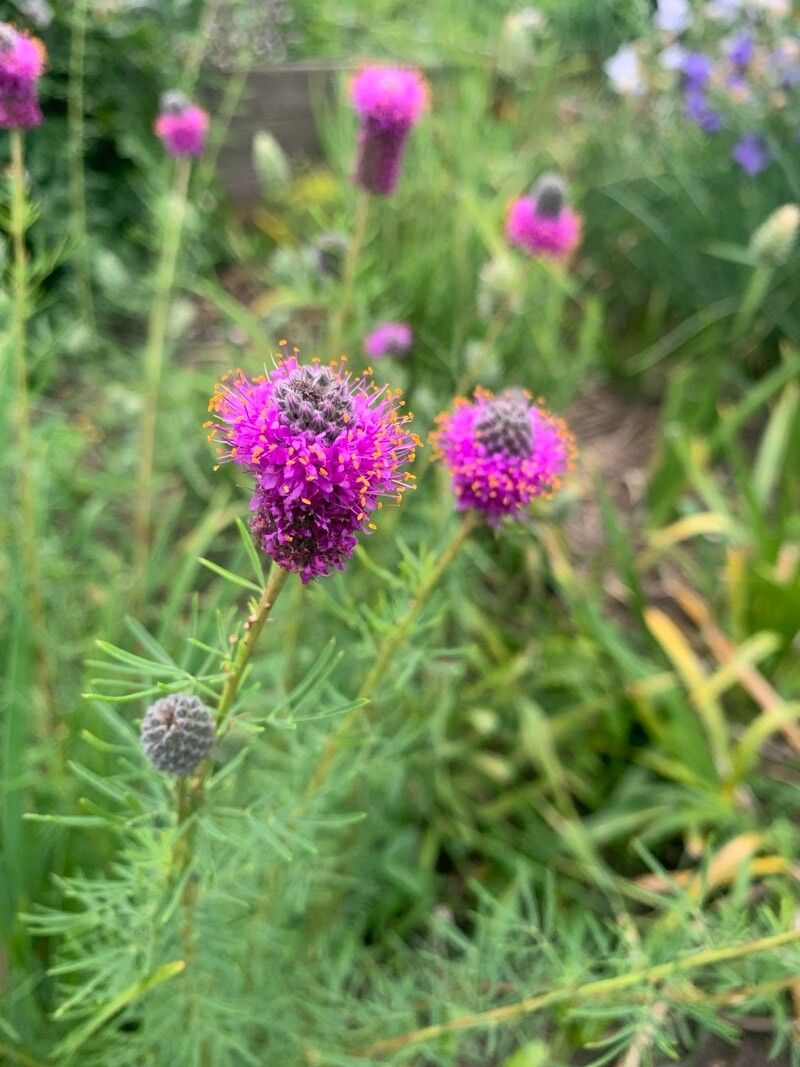
Oh, Purple Prairie Clover, or Dalea purpurea as we call it in the gardening world, is a real showstopper, isn’t it? Those delicate, spiky blooms in shades of vibrant purple just sing against the summer landscape. And the best part? Growing more of this prairie beauty from your existing plants is absolutely doable, and so incredibly satisfying! For those of you just starting out with propagation, I’d say Dalea purpurea falls into the ‘moderately easy’ category. It’s not quite as straightforward as a geranium, but with a little attention and care, you’ll be rewarded with a whole new patch of these cheerful flowers.
The Best Time to Start
This is key for success, truly. The sweet spot for propagating Dalea purpurea is in late spring to early summer, right when the plant is actively growing but before it gets too hot and stressed. You’re looking for new, non-woody growth. Think of it as capturing that burst of youthful energy for your new plant babies!
Supplies You’ll Need
Gathering your tools ahead of time makes the whole process so much smoother. Here’s what I always have on hand:
- Sharp Pruning Shears or a Knife: Clean cuts are essential.
- Rooting Hormone (Optional, but recommended): Helps speed things up. I like the powder kind.
- Well-Draining Potting Mix: A mix of peat moss, perlite, and a bit of compost works wonders. Or, a pre-made cactus/succulent mix is often a good starting point too.
- Small Pots or Seed Starting Trays: Clean ones, of course!
- Spray Bottle: For gentle misting.
- Plastic Bags or a Clear Dome: To create a humid environment.
- A Sunny, Warm Spot: But not direct scorching sun.
Propagation Methods
I find a couple of methods work best for Dalea purpurea. Let’s dive in!
Stem Cuttings
This is my go-to for Dalea purpurea. It’s efficient and gives you a great chance of success.
- Take Your Cuttings: On a pleasant morning, use your clean shears to snip off several 6-inch stem tip cuttings. Look for stems that are green and flexible, not woody. Again, aim for that fresh, new growth.
- Prepare the Cuttings: Gently remove the lower leaves from each cutting, leaving just a few at the very top. I usually leave about 2-3 sets of leaves. If the leaves are very large, I might even snip those in half to reduce water loss.
- Dip in Rooting Hormone (If using): Moisten the cut end of the stem just a touch, then dip it into your rooting hormone. Tap off any excess. This just gives the stems a little encouragement.
- Plant the Cuttings: Fill your small pots or trays with your well-draining potting mix. Make a small hole in the center of each pot with your finger or a pencil.
- Insert and Firm: Gently place the cut end of each cutting into the hole, making sure the nodes (where the leaves were removed) are buried. Firm the soil gently around the stem to ensure good contact. You can put 2-3 cuttings in a single pot.
- Water Gently: Water the soil thoroughly but gently. You want it moist, not soggy.
Division
If you have a mature Dalea purpurea plant that’s looking a bit crowded, division is a fantastic way to get more plants and also rejuvenate your original.
- Dig Up the Plant: In the early spring before new growth is too vigorous, carefully dig up your Dalea purpurea plant. Try to get as much of the root ball as possible.
- Separate the Roots: Gently shake off excess soil. You should be able to see where the plant naturally divides. You can use your hands to carefully pull the root ball apart, or if it’s a bit stubborn, a clean trowel or knife can help. Look for sections that have both roots and at least one healthy stem or bud.
- Replant Immediately: Plant your divided sections into their new homes right away. Give them good soil and water them in well.
The “Secret Sauce” (Pro Tips)
Here are a few things I’ve learned over the years that really help Dalea purpurea cuttings thrive:
- The Humid Chamber is Your Friend: Once you’ve planted your cuttings, cover the pots with a clear plastic bag, secured with a rubber band, or place them under a clear dome. This creates a mini-greenhouse effect, keeping the humidity high, which is crucial for preventing the cuttings from drying out before they can form roots. Just make sure the leaves aren’t touching the plastic.
- Warmth Encourages Roots: Dalea purpurea loves a bit of warmth to get its roots going. Placing your cuttings on a heat mat (not too hot, just gently warm) can significantly speed up the rooting process. Think of it as a cozy, warm bed for those developing roots.
- Don’t Overwater, But Don’t Let Them Dry Out: This is a tricky balance. You want the soil to stay consistently moist but never waterlogged. Overwatering is the fastest way to invite rot. I like to check the soil moisture by touching it – if the top inch feels dry, it’s time for a gentle watering.
Aftercare & Troubleshooting
Once you see new growth appearing on your cuttings, that’s a great sign that roots have formed! This is usually after a few weeks to a couple of months.
- Acclimatization: Slowly introduce your new plants to less humid conditions. Start by opening the plastic bag or dome for a few hours each day, gradually increasing the time.
- Transplanting: Once your new plants have a decent root system, you can transplant them into slightly larger pots. Continue to use that well-draining soil.
- Signs of Trouble: The most common issue is rot. If your cuttings start looking mushy or black at the base, it’s almost always due to too much moisture and not enough airflow. If you catch it early, you might be able to save a cutting by trimming away the rotted part and replanting it in drier soil, then ensuring better ventilation. Yellowing leaves can also indicate overwatering or a lack of light.
So there you have it! Propagating Dalea purpurea is a journey, and like any good gardening project, it’s about patience and observation. Don’t be discouraged if every single cutting doesn’t make it. The beauty of gardening is the learning process. Enjoy the satisfaction of seeing your own little prairie clover plants emerge, and soon you’ll have more of that gorgeous purple magic to share! Happy propagating!
Resource:
https://identify.plantnet.org/k-world-flora/species/Dalea%20purpurea%20Vent./data