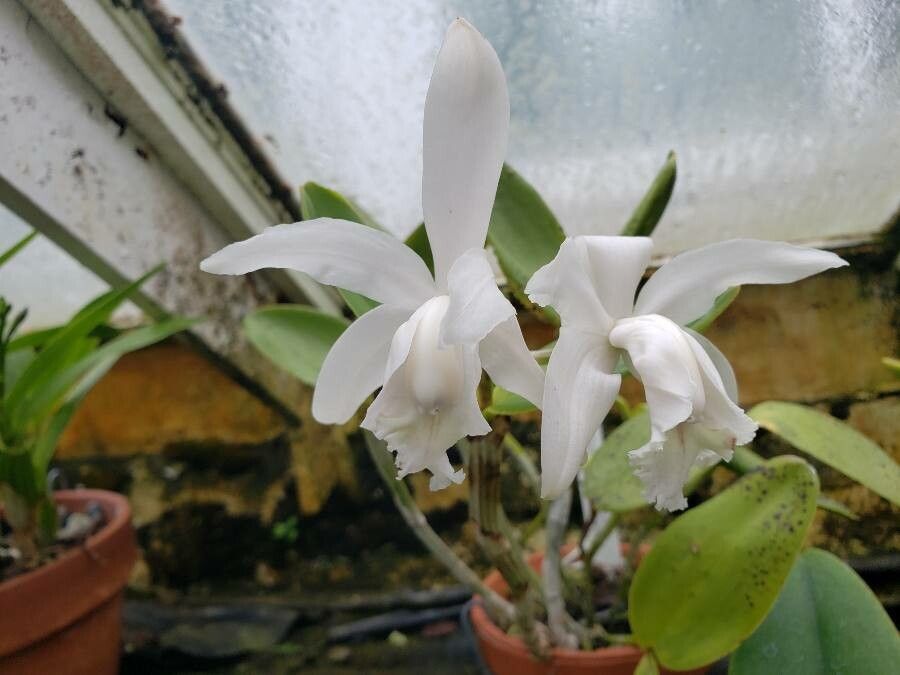
Hello, fellow plant lovers! It’s so wonderful to chat with you today about one of my absolute favorite orchids: the Cattleya intermedia. If you’ve ever marveled at their big, beautiful blooms in shades of pink, white, and sometimes even spotted yellows, you’ll know just how spectacular they are. Bringing that beauty into your own collection, or sharing it with friends, by propagating them is incredibly satisfying. Don’t worry if you’re new to this; while orchids can seem a bit finicky, Cattleya intermedia is actually quite forgiving, especially with a little guidance.
The Best Time to Start
For the most success, I’ve found that late spring through early summer is your sweet spot. This is when your Cattleya intermedia is typically in a growth phase, either putting out new pseudobulbs or actively growing roots. They have the energy and warmth they need to really get things going. Waiting until after they’ve finished blooming is also a good rule of thumb.
Supplies You’ll Need
Here’s a little list of what you’ll want to gather before you get started. Think of it as your propagation toolkit!
- Sharp Pruning Shears or a Clean Knife: Sterilize these!
- New Planting Pot(s): Clean ceramic or plastic pots work well.
- Orchid Potting Mix: A chunky, well-draining blend is essential. I like a mix of bark, perlite, and charcoal.
- Rooting Hormone (Optional but helpful): A powder or gel formula.
- Watering Can or Spray Bottle: For gentle watering.
- Sphagnum Moss (Optional): For retaining humidity around cuttings.
- Clear Plastic Bags or a Small Greenhouse: To create a humid environment.
Propagation Methods
There are a couple of great ways to go about this, but my go-to for Cattleya intermedia is division. It’s the most reliable method for this particular orchid.
Division Method
This is best done when you have a mature, multi-pseudobulb plant that’s starting to outgrow its pot or is looking a little crowded.
- Gently Remove from Pot: Carefully take your Cattleya intermedia out of its current container. You might need to gently squeeze the pot or run a knife around the edge if it’s stuck.
- Clean the Roots: Gently brush away as much of the old potting mix as you can from the root ball. This helps you see what you’re working with.
- Identify Division Points: Look for sections of the plant that have at least two to three healthy pseudobulbs and a good set of roots attached. The healthiest divisions will have at least one new growth (a little nubbin or leaf starting to emerge).
- Make the Cut: Using your sterilized pruning shears or knife, carefully cut between the pseudobulbs, making sure each section you separate has enough roots. Try to cause as little damage to the roots as possible. You can also cut through dead pseudobulbs or backbulbs if needed, but always try to keep live ones with new growth.
- Allow to Dry (Optional but Recommended): Let the cut surfaces of the divisions air dry for a day or two in a shady spot. This helps to callus over the wounds and prevent rot.
- Pot Up Your Divisions: Fill your new pots with your fresh, well-draining orchid mix. Place each division in a pot so the base of the pseudobulbs is at the surface of the mix, and the roots are comfortably spread out. You might need to stake them initially if they’re wobbly.
- Water Carefully: Water only lightly at first. The goal is to keep things just slightly moist until new roots establish.
The “Secret Sauce” (Pro Tips)
Here are a few things I’ve learned over the years that can really make a difference:
- Don’t Overwater After Division: This is probably the most common mistake. New divisions are very susceptible to rot because they don’t have a strong root system yet. Let the potting mix dry out slightly between waterings. It’s better to err on the side of underwatering than overwatering at this stage.
- Warmth is Key: Just like us, plants feel better and grow more vigorously when they’re warm. If you can provide a little bottom heat to your pots (a seedling heat mat works wonders!), you’ll encourage faster root development. Keep the ambient temperature comfortable, too – around 70-80°F (21-27°C) in the day is lovely.
- Humidity Hug: New divisions love humidity. I often put my newly potted divisions into a clear plastic bag with a few air holes poked in it, or into a small propagator. This creates a mini-greenhouse effect, keeping the humidity high and helping those little roots get started without drying out. Just be sure to open the bag for a bit each day to allow for air circulation and prevent fungal issues.
Aftercare & Troubleshooting
Once your new divisions have settled in and you start to see new root growth (they’ll look plump and firm, often with a green tip), you can gradually transition them to a more regular watering schedule. Continue to keep them in bright, indirect light.
The biggest issue you’ll encounter is rot. If you see pseudobulbs turning yellow and mushy, or if the whole plant seems to be collapsing, it’s usually a sign of too much moisture or poor drainage. If you catch it early, you might be able to cut away the rotted parts, let it callus, and try repotting in fresh, dry mix. Sometimes, sadly, it’s just too far gone. Don’t let it discourage you!
A Encouraging Closing
Propagating Cattleya intermedia is a journey, and like all good gardening endeavors, it asks for a little patience. Observe your plants, learn from them, and don’t be afraid to try. Seeing those new roots emerge and eventually a beautiful bloom will be such a rewarding experience. Happy growing!
Resource:
https://identify.plantnet.org/k-world-flora/species/Cattleya%20intermedia%20Graham%20ex%20Hook./data