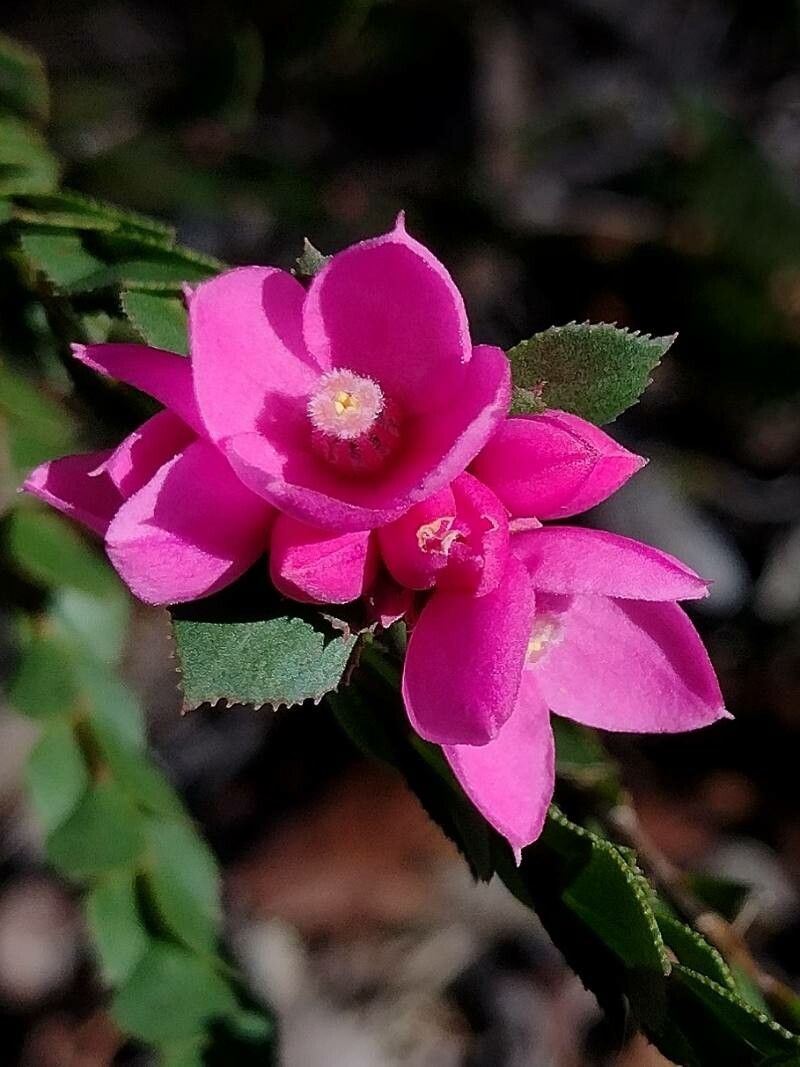
Oh, Boronia serrulata! If you’ve ever had the pleasure of being near one of these beauties, you know that intoxicatingly sweet, classic Australian floral perfume. It’s enough to make you swoon, isn’t it? And the delicate pink blossoms are just the cherry on top. Cultivating your own Boronia from a cutting or a division is such a rewarding experience. You get to witness that tiny spark of life transform into a fragrant shrub right in your own garden. Now, I’ll be honest, Boronia isn’t the absolute easiest plant to propagate for a complete beginner, but with a little care and this guide, I’m confident you can achieve success.
The Best Time to Start
For Boronia serrulata, I find that late spring to early summer is generally the sweet spot. This is when the plant is actively growing, but before the intense heat of midsummer sets in. You’re looking for healthy, new growth—often referred to as semihardwood cuttings. These cuttings have a nice balance of flexibility and firmness, which helps them root well. Avoid taking cuttings from flowering stems if possible.
Supplies You’ll Need
Gathering your tools beforehand makes the whole process go much smoother. Here’s what I recommend:
- Sharp, clean pruning shears or a sharp knife: For making clean cuts.
- Rooting hormone: A powder or gel can really give your cuttings a boost.
- Well-draining potting mix: A mix of perlite, coarse sand, and peat moss (about 1:1:1) is excellent. Some people swear by a coco coir base with perlite. The key is drainage!
- Small pots or seed trays: With drainage holes, naturally.
- Plastic bags or a propagation dome: To create a humid environment.
- A spray bottle: For misting.
- Dibber or pencil: To make a hole for the cutting.
Propagation Methods
I’ve found success with stem cuttings, which is the most common and generally effective method for Boronia serrulata.
Stem Cuttings
- Select your cuttings: Look for healthy stems on your parent plant. Snip a piece about 10-15 cm long. Remove any flowers or flower buds.
- Prepare the cutting: Strip off the lower leaves, leaving just a few at the very top. This prevents leaves from rotting when they touch the soil or water.
- Apply rooting hormone: Dip the cut end of the stem into your rooting hormone, ensuring it’s evenly coated. Tap off any excess.
- Plant the cutting: Make a hole in your prepared potting mix with a dibber or pencil. Gently insert the cutting into the hole, ensuring the hormone stays on the wound. Firm the soil around it.
- Water gently: Water the pot thoroughly but carefully, so as not to dislodge the cutting.
- Create humidity: Cover the pot with a plastic bag or place it under a propagation dome. This traps moisture, which is crucial for cuttings that can’t yet absorb water through roots. Ensure the leaves don’t touch the plastic.
- Place in bright, indirect light: Find a spot that gets plenty of light but no harsh, direct sun, which can scorch the delicate cuttings.
The “Secret Sauce” (Pro Tips)
Here are a couple of things I’ve learned over the years that make a real difference:
- Bottom heat is your friend: If you have a heat mat for seedlings, using it for your Boronia cuttings can significantly speed up root development. It mimics the warmth of spring soil. Just don’t overheat—aim for a consistent warmth, not hot.
- The ‘fainting’ test: Once you think your cuttings might be rooted (usually after 6-8 weeks), gently tug on a cutting. If it offers resistance, it’s likely got roots! If it pulls out easily, it hasn’t rooted and you can try again. This sounds harsh, but it’s a quick way to check without disturbing all of them.
Water Propagation (A Note of Caution)
While some people have success propagating Boronia in water, I tend to steer clear of it for this particular plant. The key issue is that Boronia roots are quite sensitive to rot if they sit in stagnant water for too long. If you do try water propagation, ensure no leaves are submerged and change the water regularly. I find soil propagation offers a better chance of long-term success for Boronia.
Aftercare & Troubleshooting
Once you see signs of new growth, that’s usually a good indicator that roots are forming! Continue to keep the cutting moist but not soggy, and gradually acclimate it to less humid conditions by opening the bag a little more each day before removing it entirely.
The biggest challenge you’ll likely face is rot. This happens if the cuttings are kept too wet or if the drainage isn’t adequate. You might see the stem turn mushy and black. If this happens, sadly, that cutting is likely lost. Don’t be discouraged; propagation is a numbers game! Another sign of failure is if the cutting simply wilts and never recovers, even with humidity – this could mean it didn’t root.
A Encouraging Closing
Propagating Boronia serrulata is a journey, and like all good gardening endeavors, it requires patience. Don’t be disheartened if your first few attempts aren’t perfect. Each cutting teaches you something new. Enjoy the process of nurturing these little plantlets, and soon you’ll be rewarded with your own fragrant blooms filling your garden with magic. Happy propagating!
Resource:
https://identify.plantnet.org/k-world-flora/species/Boronia%20serrulata%20Sm./data