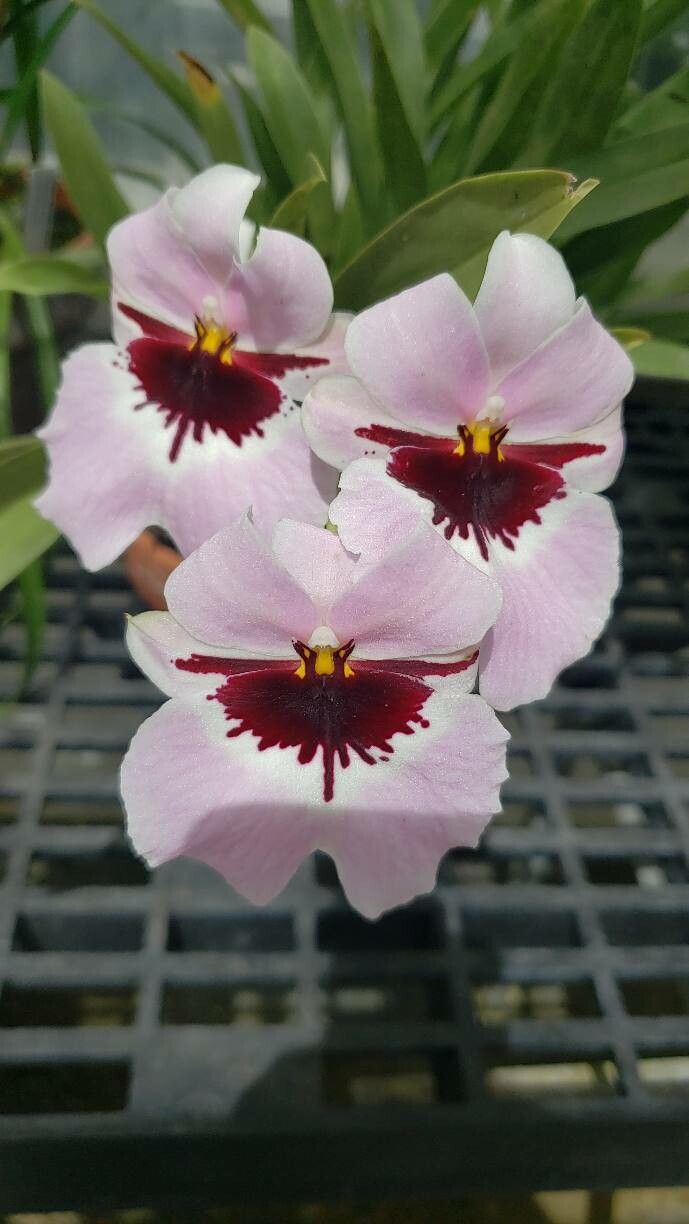
Oh, hello there! Pull up a chair, let’s chat about growing more of those gorgeous Miltoniopsis vexillaria orchids. You know, the ones that look like little pansies with their delicate petals and sweet fragrance. They truly are a joy to have gracing a windowsill, aren’t they? And the thought of creating new ones, well, that’s just the icing on the cake for any orchid lover.
Now, I won’t sugarcoat it – Miltoniopsis can be a little bit finicky. But if you approach it with a bit of patience and follow a few key steps, you’ll find propagating them is absolutely achievable, even for those of you just starting out on your orchid journey. It’s incredibly rewarding to watch those tiny divisions mature into their own beautiful blooms.
When is the Best Time to Get Started?
For Miltoniopsis vexillaria, the absolute sweet spot for propagation is after the plant has finished flowering. You’ll notice that growth really starts to pick up in the spring and extends through the summer. This is when the plant has plenty of energy stored up and is actively producing new shoots. Trying to divide or take cuttings when the plant is dormant or stressed is just asking for disappointment. So, let those blooms fade, and then get ready to get your hands a little dirty!
What Tools Will You Need?
Here’s a simple rundown of what you’ll want to have on hand:
- Sharp, sterile pruning shears or a clean knife: Crucial for making clean cuts without damaging the plant. Sterilize with rubbing alcohol between cuts!
- Cinnamon powder or a fungicide: To help prevent infection on cut surfaces.
- Orchid potting mix: I usually opt for a medium-grade bark mix with some perlite for good drainage. You want it to be airy.
- Small pots or community trays: Whatever you’ll be potting your new divisions into. Make sure they have drainage holes!
- Rooting hormone (optional, but helpful): A mild rooting hormone can give your divisions a little extra boost.
- Watering can or spray bottle: For gentle watering.
Let’s Talk Propagation Methods!
The most reliable way to multiply your Miltoniposis vexillaria is through division. This is essentially splitting a mature plant into smaller, healthy sections.
- Gently remove the plant from its pot. You might need to carefully loosen the edges with a dull knife if it’s well-established.
- Remove as much of the old potting mix as you can. You want to get a good look at the rhizomes (the thick, creeping stems) and roots.
- Identify potential divisions. Look for sections that have at least two or three healthy pseudobulbs (those swollen, leaf-bearing structures) attached to a healthy rhizome and a good root system.
- Carefully separate the divisions. Using your sharp, sterile pruners or knife, make a clean cut through the rhizome. Try to keep the root systems as intact as possible. Don’t rush this part; good cuts are key to good recovery.
- Treat the cuts. Lightly dust any cut surfaces with cinnamon powder or a suitable fungicide. This is a simple but important step to prevent rot.
- Pot them up! Plant each division in its own small pot with fresh orchid mix. Make sure the pseudobulbs are sitting just above the surface of the mix, not buried too deeply. Water them in very gently.
The “Secret Sauce” – My Insider Tips
I’ve learned over the years that a few little tricks can make a big difference.
First, when you’re repotting and dividing, don’t be afraid of the old potting mix. While you want to remove most of it, some residual mix clinging to the roots can actually be beneficial, providing a bit of protection for those delicate root hairs as you repot.
Second, for those divisions that look a little soft or might have been through a bit of stress, I like to give them a shallow soak in lukewarm water for a few hours after potting. This helps rehydrate them without waterlogging the roots. Then, drain them thoroughly before placing them in their new pots.
And finally, bottom heat can be a game-changer for encouraging root development. If you have a seedling heat mat, placing your newly potted divisions on it (set to a gentle warmth, around 70-75°F or 21-24°C) can really speed things up. It mimics the warm, humid conditions that orchids love.
Aftercare and What to Watch For
Once your divisions are potted, provide them with slightly shadier conditions and keep the potting mix consistently moist but not soggy. Mist the leaves regularly, especially if you’re not seeing new root growth yet. Avoid direct sunlight, which can scorch those tender new shoots.
The most common problem you might encounter is rot. This usually happens if the potting mix stays too wet, or if the cuts weren’t properly treated. Signs of rot include mushy, brown or black pseudobulbs. If you see this, act quickly! You might need to unpot the division, cut away the rotted parts with your sterile tool, and repot with fresh, dry mix. Sometimes, you can save them, but sometimes it’s a sign the division wasn’t strong enough to begin with.
Keep Growing!
Propagating Miltoniopsis vexillaria might take a little patience, but seeing those tiny little bumps that promise new roots, and eventually, a whole new bloom, is a truly special experience. Enjoy the process, celebrate the successes, and don’t be discouraged by any setbacks. Happy growing, my friends!
Resource: