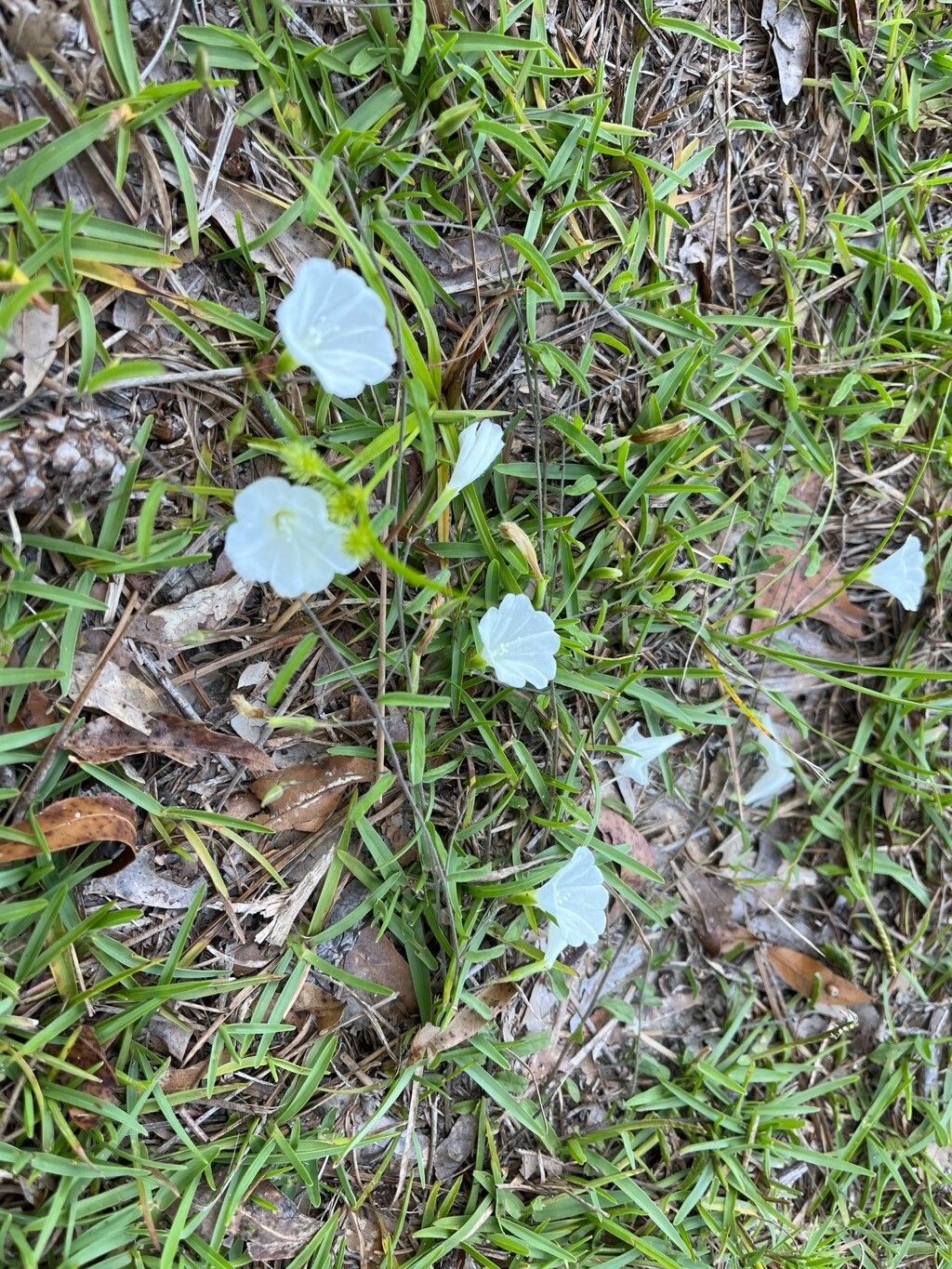
Well hello, fellow plant lovers! Today, I want to chat about a little gem that’s captured my heart over the years: Stylisma patens. If you’re looking for a plant that brings a cascade of delicate blooms and a unique, vining charm to your garden, you’re in for a treat. Its dainty flowers, often a soft pink or white, unfurl beautifully, truly making it a standout. And oh, the satisfaction of multiplying this beauty yourself! It’s one of those rewarding propagation projects that makes you feel like you’ve unlocked a little gardening magic. For beginners, I’d say Stylisma patens is moderately easy to propagate, with a little patience and the right approach you’ll be well on your way.
The Best Time to Start
Timing is everything, as you know! For Stylisma patens, the sweetest spot for propagation is usually late spring or early summer. This is when the plant is actively growing and has plenty of youthful energy. You’re looking for new, but not overly woody, growth. Think of it as capturing that vibrant spring enthusiasm before the intense heat of mid-summer sets in.
Supplies You’ll Need
Gathering your tools beforehand makes the process so much smoother. Here’s what I usually have on hand:
- Sharp pruning shears or a clean knife: For making those precise cuts. Sterilize them with rubbing alcohol!
- Rooting hormone (optional but recommended): Especially for cuttings, this gives them a great boost. Look for one with a fungicide.
- Well-draining potting mix: I like a blend of peat moss, perlite, and a little coco coir. Or a good quality seed starting mix.
- Small pots or trays: Clean containers with drainage holes are a must.
- Clear plastic bag or a propagation dome: To maintain humidity around your cuttings.
- Watering can with a fine rose: For gentle watering.
- Labels and a permanent marker: To keep track of your projects!
Propagation Methods
I’ve found two main methods work wonderfully for Stylisma patens: stem cuttings and division.
Stem Cuttings
This is my go-to for increasing my collection.
- Take Your Cuttings: In late spring or early summer, select healthy, non-flowering stems. Using your sterilized shears or knife, cut lengths of about 4-6 inches, making the cut just below a leaf node. A leaf node is where a leaf attaches to the stem – this is where roots are most likely to form.
- Prepare the Cuttings: Gently remove the lower leaves from the cutting, leaving just a couple of sets at the top. If your cuttings are looking a bit limp, you can submerge them in cool water for about 30 minutes to rehydrate.
- Apply Rooting Hormone: Dip the cut end of each stem into your rooting hormone powder or gel. Tap off any excess.
- Plant Them Up: Fill your small pots with your well-draining potting mix. Make a small hole in the center of each pot with a pencil or your finger. Carefully insert the cutting into the hole, ensuring the leaf nodes are below the soil surface. Gently firm the soil around the stem.
- Create a Humid Environment: Water the soil gently until it’s moist but not soggy. Then, cover the pot with a clear plastic bag or place it inside a propagation dome to keep humidity high. You can prop up the bag with a couple of sticks so it doesn’t touch the leaves.
Division
If you have an established plant, division is a fantastic way to get new plants and revitalize the parent.
- Gently Excavate: In spring, before new growth really takes off, carefully dig up your Stylisma patens plant. Try to disturb the roots as little as possible.
- Examine and Separate: Gently shake off excess soil. You should be able to see distinct sections or crowns of the plant. With clean hands or a trowel, carefully pull or cut the root ball into smaller sections. Each section should have at least one healthy root system and some leafy growth.
- Replant Immediately: Plant each division into its own pot filled with fresh, well-draining soil, ensuring the crown is at soil level. Water them in well.
The “Secret Sauce” (Pro Tips)
Here are a few little tricks I’ve learned along the way:
- The Bottom Line: For stem cuttings, bottom heat is a game-changer. Placing your pots on a seedling heat mat can significantly speed up root development. This gentle warmth encourages the plant to send out roots.
- Don’t Drown Your Hopes: When watering cuttings, never let the leaves sit in standing water. This is a sure way to invite rot. Ensure good drainage and only water when the top inch of soil feels dry.
- Patience is a Virtue, but So is Light: While you want to provide a humid, sheltered environment, avoid direct, scorching sunlight. Bright, indirect light is ideal. Too much sun will scorch delicate new leaves.
Aftercare & Troubleshooting
Once you see new leaves emerging (which can take anywhere from a few weeks to a couple of months), that’s a good sign roots are forming!
- Gradual Acclimatization: Begin to slowly acclimate your new plants to lower humidity. If you’re using a plastic bag, gradually open it a little each day over a week.
- Watering Wisely: Continue to water when the top inch of soil feels dry. For divisions, water as you would an established plant.
- Transplanting: Once the roots have filled their small pots (you might see them peeking out of the drainage holes) or established themselves well, you can transplant them into slightly larger pots or directly into your garden if the weather is suitable.
Troubleshooting: The most common issue you’ll encounter is rot. Yellowing leaves, mushy stems, or a foul smell are all signs that things are too wet. If you spot this, try to remove the affected parts immediately, ensure your soil is draining well, and let the soil dry out a bit more between waterings. Sometimes, a cutting can simply refuse to root – don’t be discouraged! It happens to all of us. Just try again.
A Warm Encouragement
Propagating Stylisma patens is a delightful journey. Be patient with your little green charges, observe them closely, and celebrate every sign of success. Soon, you’ll have more of these beauties to enjoy and share. Happy gardening!
Resource:
https://identify.plantnet.org/k-world-flora/species/Stylisma%20patens%20(Desr.)%20Myint/data