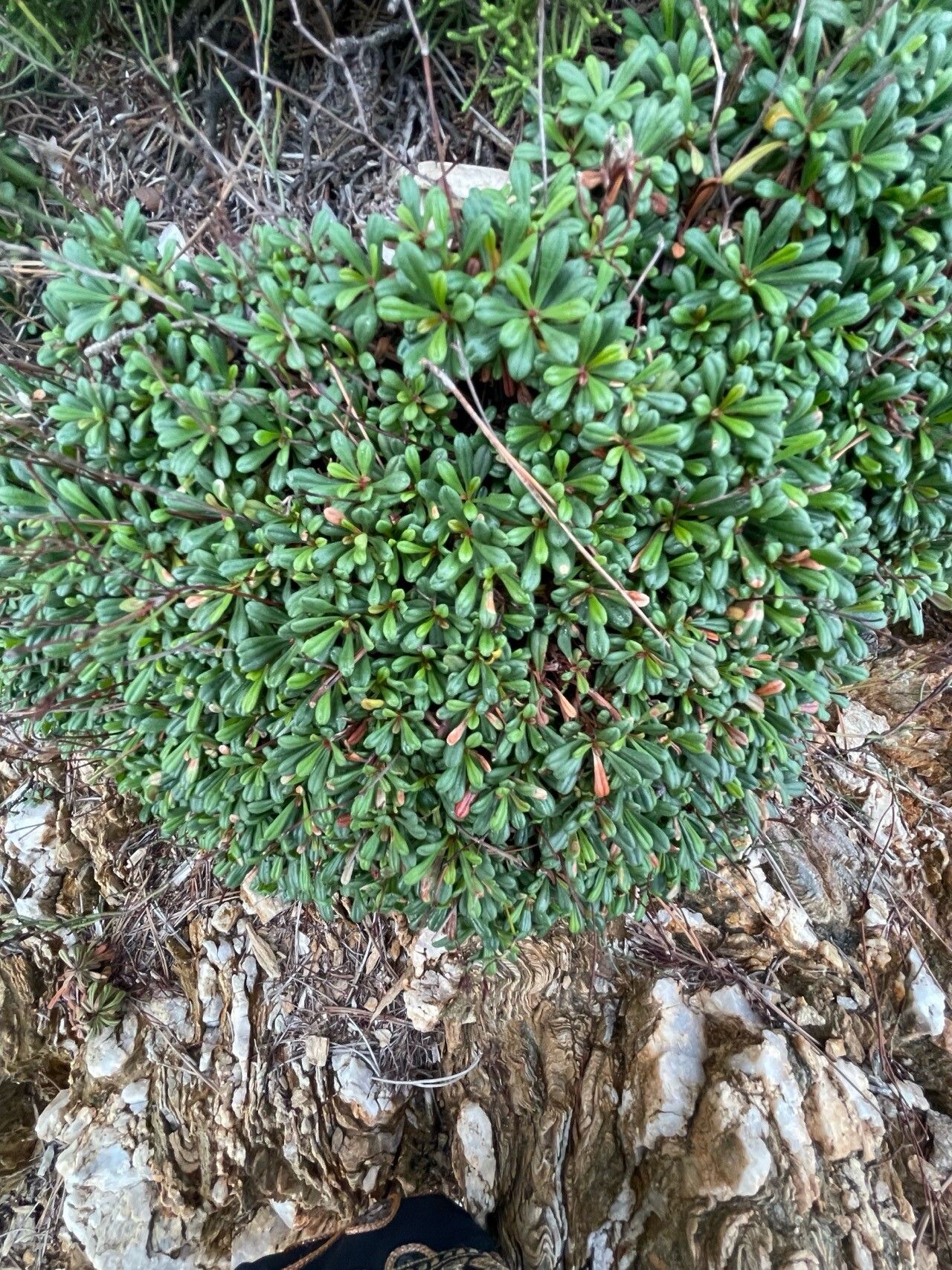
Hey there, fellow plant lovers! Today, we’re diving into the delightful world of Limonium cosyrense, often called sea lavender or statice. If you’ve ever admired its cloud-like clusters of delicate, papery blooms, you’re not alone. They bring such a beautiful, airy touch to the garden and are fantastic for drying too.
Propagating Limonium cosyrense can be a really rewarding experience. It’s a fantastic way to expand your collection or share these beauties with friends. For beginners, I’d say it’s moderately challenging, but with a little care and patience, you’ll be successful!
The Best Time to Start
The absolute best time to get your propagation on with Limonium cosyrense is in the late spring or early summer. This is when the plant is actively growing and has plenty of energy. You want to take cuttings from healthy, non-flowering stems. Think of it as capturing that burst of youthful vigor!
Supplies You’ll Need
Gathering your tools is half the fun, isn’t it? Here’s what you’ll want to have on hand:
- Sharp pruning shears or a clean knife: For taking nice, clean cuttings.
- Rooting hormone (optional but recommended): This really gives your cuttings a boost.
- Well-draining potting mix: A mix of perlite and peat moss or coir is perfect. You want something that dries out reasonably well.
- Small pots or trays: Clean containers with drainage holes are a must.
- Clear plastic bags or a propagation dome: This helps maintain humidity.
- Water: For misting and watering.
- A small trowel or dibber: To make holes for your cuttings.
Propagation Methods
While Limonium cosyrense can be grown from seed, I find stem cuttings to be the most reliable and satisfying method. Let’s walk through it.
Stem Cuttings:
- Take Your Cuttings: In late spring or early summer, select a healthy, non-flowering stem. Using your sharp shears or knife, take a cutting about 4-6 inches long. Make your cut just below a leaf node (where a leaf attaches to the stem). Remove any leaves from the bottom half of the cutting.
- Prepare the Cutting: If you’re using rooting hormone, dip the cut end into it, tapping off any excess. This helps encourage root development.
- Potting Up: Fill your small pots with your well-draining potting mix. Use a trowel or dibber to make a hole in the center of the soil.
- Planting: Gently insert the cut end of the Limonium cutting into the hole, firming the soil around it. Make sure the leaf nodes you removed are below the soil surface, as this is where roots will form.
- Water and Cover: Water the pot gently to settle the soil. Then, cover the pot with a clear plastic bag or a propagation dome. This creates a mini-greenhouse, keeping the humidity high, which is crucial for cuttings to root.
Water Propagation (Less Common for this plant, but possible):
If you want to experiment, you can try placing the cut end in a small jar of water. Just be sure to change the water every few days to keep it fresh and don’t let the leaves touch the water. Roots should eventually appear, and then you can transplant them into soil. However, I’ve found better success with the soil method for Limonium.
The “Secret Sauce” (Pro Tips)
Now, for a couple of little tricks I’ve learned over the years. These small things can make a big difference!
- Avoid the Mistake of Over-Watering Roots: When your cuttings do start to root, it’s tempting to water them frequently. Resist this urge! Too much water at this stage can lead to rot. Water only when the top inch of soil feels dry.
- Give Them a Warm Hug: Limonium cosyrense loves a bit of warmth to kickstart root growth. Placing your pots on a heating mat specifically designed for propagation can significantly speed up the rooting process. It’s like a cozy little spa for your cuttings!
Aftercare & Troubleshooting
Once you start seeing new leaf growth or gently tugging on a cutting reveals resistance (that’s roots!), you’ve got a baby plant!
Gradually acclimate your new plant to normal humidity by opening the plastic bag or dome a little more each day over a week. Continue to water when the soil is dry to the touch. Keep them in bright, indirect light.
The most common problem you’ll encounter is rot. If a cutting turns black and mushy, it’s a sign of too much moisture and not enough air circulation. Unfortunately, rotten cuttings can’t be saved. Prevention is key here – good drainage and careful watering are your best friends. If you see wilting and the soil is moist, it might be shock from too much direct sun – move it to a shadier spot.
A Encouraging Closing
Propagating plants is a journey, and sometimes they have their own pace. Don’t get discouraged if your first batch doesn’t flourish. Keep trying, observe your plants, and you’ll learn what works best in your unique environment. The satisfaction of watching a tiny cutting grow into a beautiful plant is truly unparalleled. Happy propagating!
Resource:
https://identify.plantnet.org/k-world-flora/species/Limonium%20cosyrense%20(Guss.)%20Kuntze/data