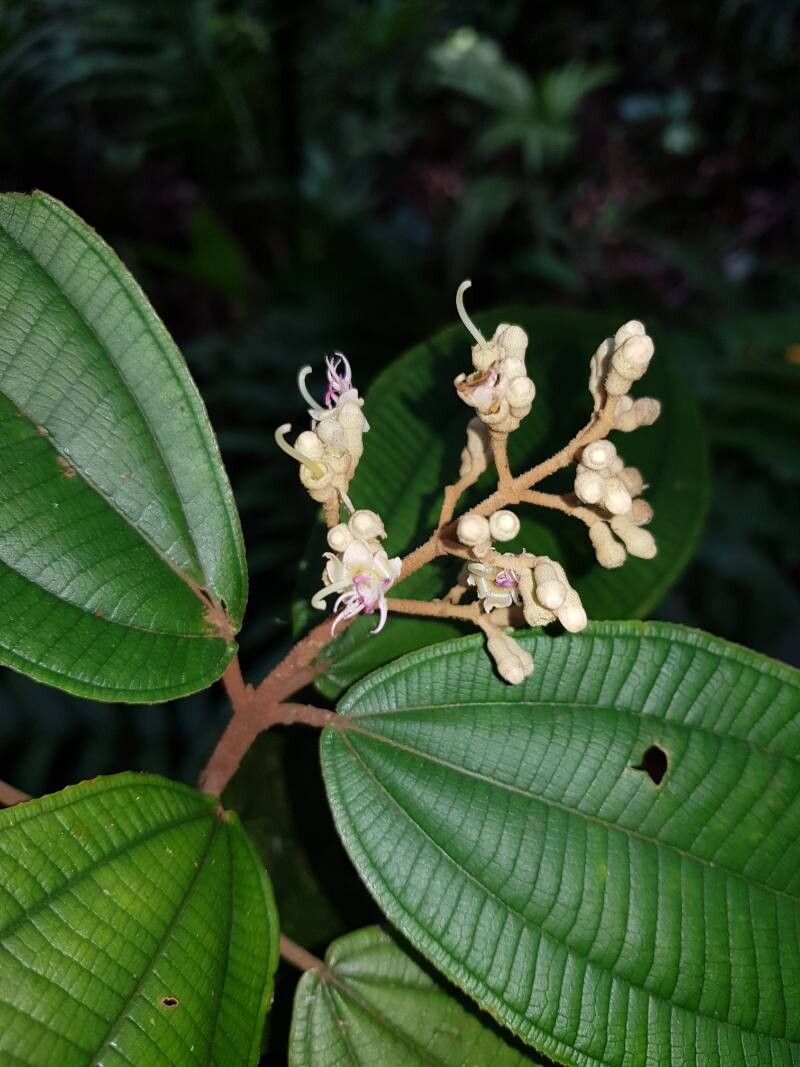
Hello, fellow garden enthusiasts!
There’s something truly special about a plant that brings a vibrant splash of color and a touch of the exotic to your home. For me, Miconia bubalina, with its stunning foliage and delicate blooms, is one of those plants. Its leaves often boast a mesmerizing interplay of deep purples, greens, and sometimes even fiery reds. Seeing a new plant sprout from a tiny piece of its parent is one of the most rewarding experiences a gardener can have, and I’m thrilled to share how you can achieve this with Miconia bubalina. Now, I won’t sugarcoat it – this one can be a little finicky, but with a bit of patience and these tips, you’ll be well on your way to doubling your joy.
The Best Time to Start
The absolute sweetest spot for propagating Miconia bubalina is when the plant is in its active growing phase. Think late spring through early summer. The plant is full of life, energy, and natural hormones that help it heal and root. You want to work with healthy, vigorous stems that are neither brand new and tender nor old and woody.
Supplies You’ll Need
Gathering your tools before you start will make the whole process smoother. Here’s what I keep handy:
- Sharp, clean pruning shears or a sharp knife: Essential for making precise cuts without crushing the stem.
- Small propagator or clear plastic bag: To create a humid microclimate.
- Small pots or cell trays: For your new cuttings.
- Well-draining potting mix: A good blend of perlite, peat moss, and regular potting soil works wonders. You can also use a specific seed starting mix or a cacti/succulent mix if it drains very well.
- Rooting hormone (optional but recommended): A powder or gel that encourages root development.
- Watering can with a fine rose or spray bottle: For gentle watering.
- A small trowel or dibber: To make holes for your cuttings.
Propagation Methods
While there might be other ways, two methods stand out for their reliability with Miconia bubalina: stem cuttings and water propagation.
Stem Cuttings
This is my go-to for this beauty!
- Select your cutting: Look for a healthy stem on your parent plant. You want a piece that’s about 4-6 inches long. The best ones will have at least two sets of leaves.
- Make the cut: Using your clean pruning shears, make a clean cut just below a leaf node (where a leaf grows from the stem). This node is where roots are most likely to emerge.
- Prepare the cutting: Gently remove the lower leaves from your cutting, leaving just the top two or three leaves. This prevents them from rotting once planted. If the remaining leaves are very large, you can cut them in half horizontally to reduce water loss through transpiration.
- Apply rooting hormone (if using): Dip the cut end of the stem into your rooting hormone powder or gel. Tap off any excess.
- Pot it up: Fill your small pots or cell trays with your well-draining potting mix. Use your trowel or dibber to make a hole in the center.
- Plant the cutting: Gently insert the prepared cutting into the hole, ensuring the leaf nodes are buried in the soil. Firm the soil gently around the stem.
- Water and cover: Water the soil lightly. Then, place the pot inside a propagator or cover it with a clear plastic bag. This creates a humid environment that helps the cutting stay hydrated while it roots.
Water Propagation
This method is wonderfully visual!
- Select and cut: Follow steps 1 and 2 above for selecting and cutting your stem.
- Remove lower leaves: Again, remove all leaves that would be submerged in water.
- Place in water: Fill a clean jar or glass with room-temperature water. Place your prepared cutting in the water, ensuring the leaf nodes are submerged.
- Find a spot: Place the container in a bright spot with indirect light.
- Change the water: Change the water every few days to keep it fresh and prevent bacterial growth.
The “Secret Sauce” (Pro Tips)
Over the years, I’ve learned a few tricks that really give Miconia bubalina cuttings the edge:
- Don’t let the leaves touch the water: Whether you’re using soil or water propagation, any leaves submerged in moisture are a direct invitation to rot. Keep ’em high and dry!
- Bottom heat is your friend: Miconia bubalina really loves warmth to get those roots going. If you can, place your pots on a heating mat designed for seedlings. It makes a significant difference in rooting speed and success.
- Humidity is paramount, but ventilation is key: That plastic bag or propagator is crucial for humidity, but you don’t want to create a stagnant, germy environment. Open the bag or propagator for a few minutes each day to allow for fresh air circulation.
Aftercare & Troubleshooting
Once you see those first little roots (you might even glimpse them through the clear pot or the water!), it’s time for a slight shift in care.
- For stem cuttings: Once the roots are about an inch long and you’ve got a good network forming, it’s time to gradually acclimate your new plant to normal room humidity. Start by removing the plastic bag for longer periods each day. Water the soil when the top inch feels dry.
- For water propagation: When the roots are a couple of inches long, it’s time to pot them up into well-draining soil as you would with the stem cuttings.
- Rot: The most common sign of failure is rot. Your cutting will turn black and mushy, often starting at the cut end. This usually means too much moisture, poor drainage, or not enough airflow. If you spot this, unfortunately, it’s best to discard the affected cutting and start fresh with new precautions.
- Wilting: A little wilting is normal as the plant adjusts. However, if it persists and the stem feels limp, it might not be getting enough moisture or its roots aren’t established. Ensure the soil is consistently (but not soaking) moist.
A Little Patience Goes a Long Way
Propagating plants is a journey, and Miconia bubalina can certainly test your patience sometimes. Don’t get discouraged if your first few attempts don’t take. Every cutting is a learning opportunity. Celebrate the successes, learn from the challenges, and most importantly, enjoy the magical process of creating new life for your garden. Happy propagating!
Resource:
https://identify.plantnet.org/k-world-flora/species/Miconia%20bubalina%20Naudin/data