Hey there, fellow plant lovers!
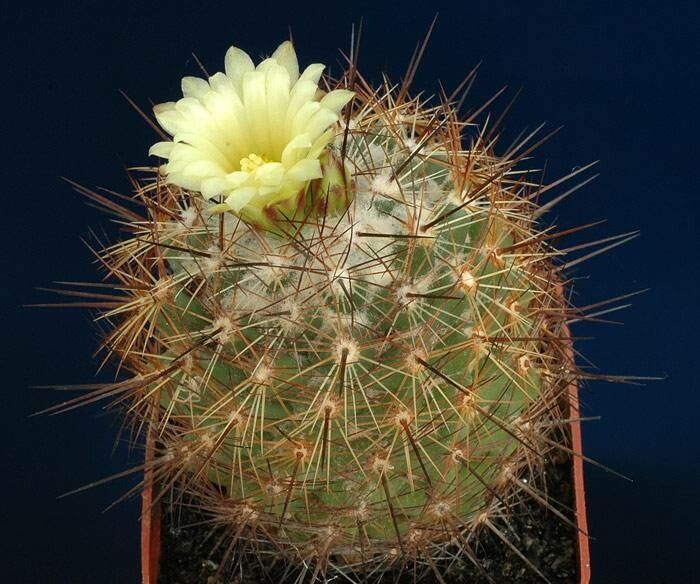
It’s so wonderful to connect with you all today. For the last two decades, I’ve been elbow-deep in soil, nurturing all sorts of green beauties. And today, I want to talk about a truly special one: Coryphantha pseudechinus. This little cactus, with its bristly charm and eager-to-bloom nature, has a way of capturing your heart. Seeing a new little one sprout from a piece of the parent plant is one of gardening’s purest joys. It’s a connection to the cycle of life, right there on your windowsill.
Now, I know what you might be thinking – cacti can be a bit intimidating. But I’m here to tell you that propagating Coryphantha pseudechinus is surprisingly accessible, even for those new to the succulent scene. We’ll break it down together, step by step.
The Best Time to Start
My favorite time to get some propagation action going is when our little cacti are really hitting their stride – that’s in late spring or early summer. The days are getting longer, the sun is warmer, and everything is brimming with life. This is when they have the most energy to push out roots and establish themselves. You’ll want to work with a healthy, mature plant that’s actively growing.
Supplies You’ll Need
Gathering your tools beforehand makes the whole process much smoother. Here’s what I always have on hand:
- Well-draining potting mix: I usually go for a cactus or succulent mix, or I whip up my own by combining equal parts coarse sand, perlite, and regular potting soil.
- Sharp, sterilized pruning shears or a clean knife: This is crucial for making clean cuts.
- Rooting hormone powder (optional but recommended): A little boost can speed things up.
- Small pots or seed trays: Terracotta pots are my go-to because they breathe well, but plastic works too.
- Gravel or pebbles: For the bottom of pots to ensure excellent drainage.
- A spray bottle: For gentle watering.
- Labels: So you don’t forget what you planted where!
Propagation Methods
For Coryphantha pseudechinus, division is often the most straightforward and successful method, especially for us home gardeners.
Method: Division
This involves separating pups (baby plants) that have naturally grown from the base of the mother plant.
- Gently remove the mother plant from its pot. It’s best to do this when the soil is slightly dry, making it easier to work with.
- Inspect the base for any pups that have started to develop their own root structure. These are usually smaller offsets clinging to the main stem.
- Carefully separate the pups. Use your sterilized knife or shears to cut them away from the parent plant. Make sure each pup has at least a few roots attached. If a pup doesn’t have many roots, don’t despair – it can still root, it just might take a little longer.
- Allow the cuts to callus over. This is a really important step! Place the separated pups in a dry, well-ventilated spot away from direct sunlight for 2-5 days. You’ll see that the cut end dries and forms a protective scab. This prevents rot when you plant them.
- Plant your pups. Fill your small pots with your well-draining mix. Make a small hole in the center and gently place the callused pup in, tucking the soil around its base.
- Water sparingly. Wait about a week after planting before giving them their first light watering. You want them to be motivated to seek out moisture with their own roots.
The “Secret Sauce” (Pro Tips)
Here are a few things I’ve learned over the years that can really make a difference:
- The “callus” is your best friend. I cannot stress this enough! That scab formation is nature’s way of protecting your new little plant from disease and rot. Rushing this step is a common beginner mistake. Patience here pays off.
- Bottom warmth helps. While not strictly necessary for Coryphantha pseudechinus, if you have a propagator with bottom heat or can place your pots on a warm windowsill (but not baking hot!), it can really encourage root development. Think cozy, not cooked!
- Don’t overwater, ever. This is probably the most common pitfall with succulents. They are drought-tolerant for a reason. When in doubt, wait another day or two before watering.
Aftercare & Troubleshooting
Once you see signs of new growth (which could be a tiny leaf emerging or the pup plumping up a bit), you know roots are forming! For the first few weeks, continue to water sparingly. Allow the soil to dry out completely between waterings. As the plant grows stronger and looks more established, you can gradually move to your regular watering schedule for mature Coryphantha.
The biggest problem you’ll likely encounter is rot. If you notice your cutting becoming mushy, blackening, or developing a foul smell, it’s likely rotting. This is usually due to too much moisture. If caught early, you can try cutting away the rotted section with your sterilized knife and letting the healthy part callus over again. However, sometimes rot is irreversible. Don’t get discouraged if it happens; it’s part of the learning curve!
A Little Encouraging Closing
Propagating plants is a journey, and each new seedling or division is a small victory. Be patient with your little Coryphantha pseudechinus, offer them good conditions, and celebrate every bit of progress. You’ve got this! Happy growing!
Resource:
https://identify.plantnet.org/k-world-flora/species/Coryphantha%20pseudechinus%20Boed./data