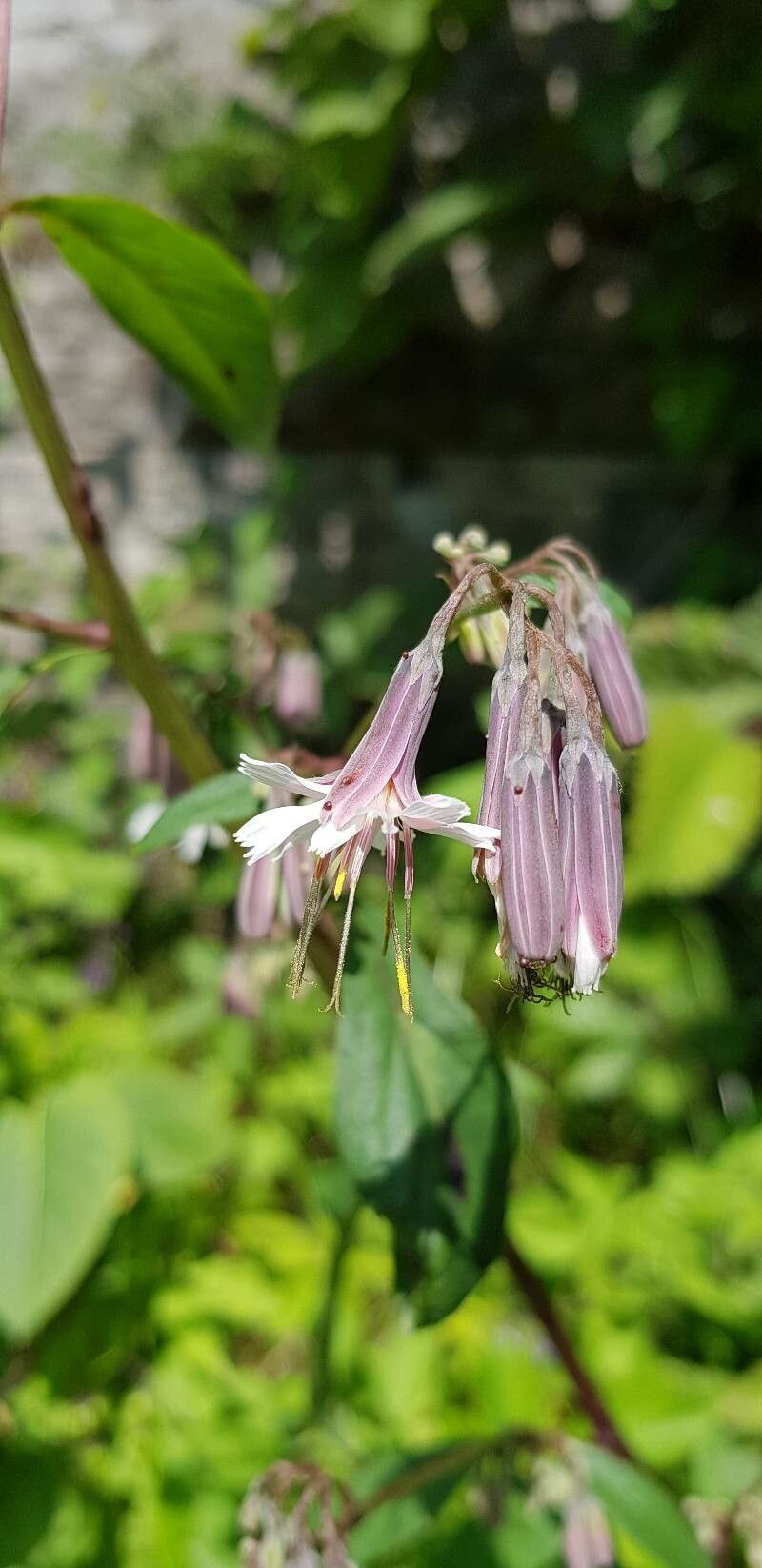
Sharing the Beauty of White Rattlesnake Root: A Guide to Propagating Nabalus albus
Oh, Nabalus albus! Or as many of us affectionately call it, White Rattlesnake Root. There’s something so wonderfully understated about its delicate white flowers, often tinged with a subtle blush, appearing on those tall, elegant stems in the late summer garden. It’s a plant that attracts pollinators without being flashy, and it adds a lovely, airy texture to mixed borders. If you’ve fallen in love with this native beauty, you’ll be happy to know that propagating it is a wonderfully rewarding endeavor, and surprisingly approachable, even for those just dipping their toes into the world of plant propagation.
The Best Time to Start
For Nabalus albus, I find the late spring to early summer is truly the sweet spot. This is when the plant is actively growing but hasn’t yet put all its energy into flowering. You’ll be looking for new, healthy shoots that are about 4-6 inches long. They should be firm and not floppy. Waiting until after the initial flush of growth ensures you have plenty of material to work with without stressing the parent plant.
Supplies You’ll Need
Here’s what I always have on hand when I’m getting ready to propagate:
- Clean, sharp pruning shears or a sharp knife: A clean cut is crucial to prevent disease.
- A good quality potting mix: I prefer a blend that’s light and well-draining. A mix of equal parts peat moss (or coco coir), perlite, and sterile compost usually does the trick.
- Small pots or seed trays: Anything that can hold your cuttings and retain some moisture. Make sure they have drainage holes!
- Rooting hormone (optional but recommended): This can give your cuttings a nice boost. Look for one that’s formulated for herbaceous cuttings.
- A plastic bag or humidity dome: This will help keep your cuttings moist.
- Watering can with a fine rose attachment: Gentle watering is key.
Propagation Methods
Nabalus albus is quite amenable to a couple of reliable propagation methods. My go-to is almost always stem cuttings, as it’s straightforward and yields great results.
Stem Cuttings
- Select your cuttings: As I mentioned, look for those vibrant, new shoots in late spring/early summer. Gently snip them off close to the base of the plant.
- Prepare the cuttings: Remove any lower leaves from the cutting. You want to expose a little bit of the stem where roots can form. If your cutting has any flower buds, pinch them off. The cutting needs to focus its energy on growing roots, not flowers.
- Apply rooting hormone: Dip the cut end of each stem into your rooting hormone, tapping off any excess.
- Plant your cuttings: Fill your small pots with your prepared potting mix. Make a small hole in the center with your finger or a pencil. Gently insert the cutting into the hole, ensuring the nodes (where leaves were attached) are below the soil surface. Firm the soil gently around the base of the cutting.
- Water lightly: Water thoroughly with your fine-rose watering can until the soil is evenly moist.
- Create a humid environment: Cover the pot with a plastic bag or place it under a humidity dome. Make sure the plastic doesn’t touch the leaves if possible – this can encourage rot.
Division (for larger, established plants)
If you have a more mature Nabalus albus clump, division is another excellent way to propagate and also helps rejuvenate the parent plant.
- Dig carefully: In early spring, before new growth really takes off, carefully dig around the base of the plant. Using a sturdy trowel or even a garden fork, gently lift the entire clump from the soil.
- Separate the roots: You should be able to see distinct sections of the plant, each with its own root system. Gently pull these sections apart with your hands. If they are stubborn, you can use your clean knife or trowel to help. Aim for divisions that have at least a couple of stems and a good portion of roots.
- Replant immediately: Plant these divisions into their new spots in the garden or into pots with fresh potting mix, just as you would the parent plant. Water them in well.
The “Secret Sauce” (Pro Tips)
There are a few little things I’ve learned over the years that seem to make all the difference.
- Don’t let the leaves touch the water in your propagation jars! If you’re trying water propagation (which I find less reliable for Nabalus albus but some swear by it), make sure only the submerged stem is in the water, not the leaves. Rot is the enemy here.
- A gentle bottom warmth is your friend. While not strictly necessary, placing your pots on a seedling heat mat can significantly speed up root formation. It mimics the warmth you’d find in spring soil. Just keep it on a low setting.
- Patience is a virtue, and a little bit of misting helps. Don’t be tempted to lift the plastic every day. Check the soil moisture periodically, but try to disturb them as little as possible. If the leaves look a bit droopy, a gentle misting of water can help revive them.
Aftercare & Troubleshooting
Once you see new growth emerging from the soil or the stem – that’s your sign! It means roots have formed.
- Acclimate slowly: Gradually introduce your new baby plants to less humid conditions. Start by opening the plastic bag or dome for a few hours each day. Eventually, you can remove it entirely.
- Water consistently: Keep the soil evenly moist but not waterlogged. This is the most critical part of preventing issues.
- Watch for rot: The biggest hurdle is usually rot. If your cutting turns mushy at the base, or the leaves start to yellow and shrivel dramatically (not just a little wilting), it’s likely too much moisture or not enough air circulation. Unfortunately, if rot sets in, it’s usually a goner. Don’t beat yourself up; just try again with better drainage or less watering.
- Transplant when ready: Once your new plants have a good root system (you can gently check by tugging lightly – if there’s resistance, they’re rooted) and are growing actively, you can transplant them into larger pots or their permanent garden home.
A Little Patience Goes a Long Way
Propagating plants like Nabalus albus is a journey, not a race. There will be successes and, yes, sometimes a few setbacks. The joy is in the process itself – nurturing something from a small cutting into a thriving plant. So, grab your tools, get your hands in the soil, and enjoy watching these lovely white flowers multiply. Happy gardening!
Resource:
https://identify.plantnet.org/k-world-flora/species/Nabalus%20albus%20(L.)%20Hook./data