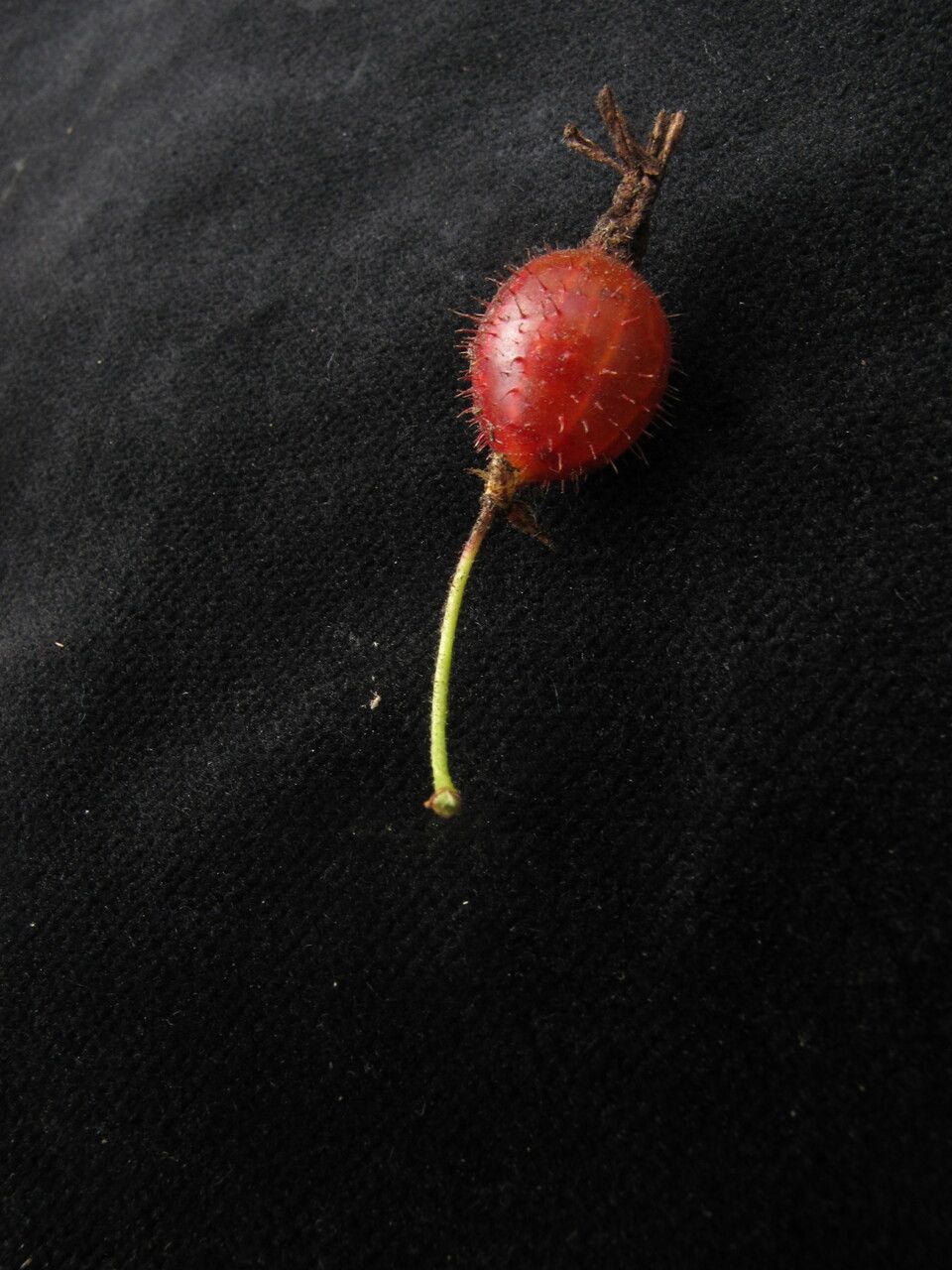
Oh, hello there! Come on in, let’s chat about Ribes alpestre. If you’re looking for a bit of wild charm in your garden, this little beauty is a fantastic choice. Its delicate flowers in spring and then those intriguing berries – they really do add a special touch, don’t they? And the best part? Sharing this charm is easier than you might think. Propagating Ribes alpestre is something I’ve found to be quite rewarding, and honestly, it’s not too tricky for even someone just dipping their toes into gardening.
The Best Time to Start
For the highest chance of success with your cuttings, late spring to early summer is your sweet spot. This is when the plant is actively growing, and the new stems are semi-hardwood – not too soft and floppy, but not too woody and tough. Think of it as the perfect stage for them to take root.
Supplies You’ll Need
Gathering your supplies beforehand makes the whole process much smoother. Here’s what I like to have on hand:
- Sharp pruning shears or a clean knife: For making those crucial clean cuts.
- Rooting hormone (powder or gel): This isn’t strictly essential, but it gives your cuttings a wonderful boost.
- A good potting mix: I usually go for a 50/50 blend of peat moss or coco coir and perlite. This ensures excellent drainage, which is key.
- Small pots or seed trays: Clean ones are a must to prevent any nasties from taking hold.
- A watering can with a fine rose: For gentle watering.
- Plastic bags or a propagator lid: To create a humid environment.
Propagation Methods
My favorite way to grow more Ribes alpestre is through stem cuttings. It’s reliable and gives you the best chance of success.
- Take Your Cuttings: On a bright, cool morning during late spring or early summer, select a healthy, vigorous shoot on your Ribes alpestre. Use your sharp pruning shears to cut a piece about 4-6 inches long. Make your cut just below a leaf node (where a leaf joins the stem).
- Prepare the Cuttings: Gently remove the lower leaves. You want to expose a bit of the stem. If your cuttings are particularly long, you can pinch off the tip or even cut them in half to make them more manageable, but for Ribes alpestre, the 4-6 inch length is usually perfect.
- Dip in Rooting Hormone: Lightly moisten the cut end of each stem and then dip it into your rooting hormone. Tap off any excess – you don’t want clumps.
- Potting Up: Fill your clean pots or trays with your potting mix. Make a hole in the center of each with a pencil or your finger.
- Insert the Cuttings: Gently push the prepared cuttings into the holes, ensuring the bottom leaf scars are below the soil surface. Firm the soil gently around them.
- Water and Cover: Water the pots thoroughly but gently. Then, cover the pots with a clear plastic bag or a propagator lid. This traps moisture and creates that humid microclimate the cuttings need to develop roots.
The “Secret Sauce” (Pro Tips)
Over the years, I’ve learned a few little tricks that can really make a difference.
- Bottom Heat is Wonderful: If you can, place your pots on a heat mat. Ribes alpestre really appreciates that gentle warmth from below to encourage root formation. It’s not absolutely necessary, but it speeds things up and improves success rates.
- Cleanliness is Paramount: I can’t stress this enough: sterilize your tools and pots. Even the tiniest bit of leftover disease on your secateurs can tragically doom your cuttings. A good scrub with soapy water and a rinse with diluted bleach, or a good wipe with rubbing alcohol, goes a long way.
- Don’t Let Leaves Touch Anything But Air: When you’re covering your cuttings, make sure the leaves don’t touch the plastic bag or propagator lid. If they do, they can start to rot. You can prop up the bag with a few sticks if needed.
Aftercare & Troubleshooting
Once your cuttings are potted, place them in a bright spot, but out of direct sunlight. Keep the soil consistently moist but not waterlogged. You should start to see signs of rooting – new leaf growth is the biggest clue – within four to six weeks, sometimes longer.
The most common problem you might encounter is rot. This usually happens if it’s too wet and there’s not enough air circulation. If you see wilting, blackening stems, or mold on the soil, it’s a sign things aren’t going well. Often, you can try to save them by removing them from the pot, trimming off any rotten parts with clean shears, letting them air dry for a few hours, and then repotting in fresh, drier soil. You might also need to adjust your watering.
A Encouraging Closing
Seeing a new little plant emerge from what was just a stem is such a magical feeling. Be patient with your Ribes alpestre cuttings. Not every single one will make it, and that’s perfectly okay. The joy is in the process, and soon enough, you’ll have more of these lovely shrubs to enjoy in your garden or even to share with gardening friends. Happy propagating!
Resource:
https://identify.plantnet.org/k-world-flora/species/Ribes%20alpestre%20Wall.%20ex%20Decne./data