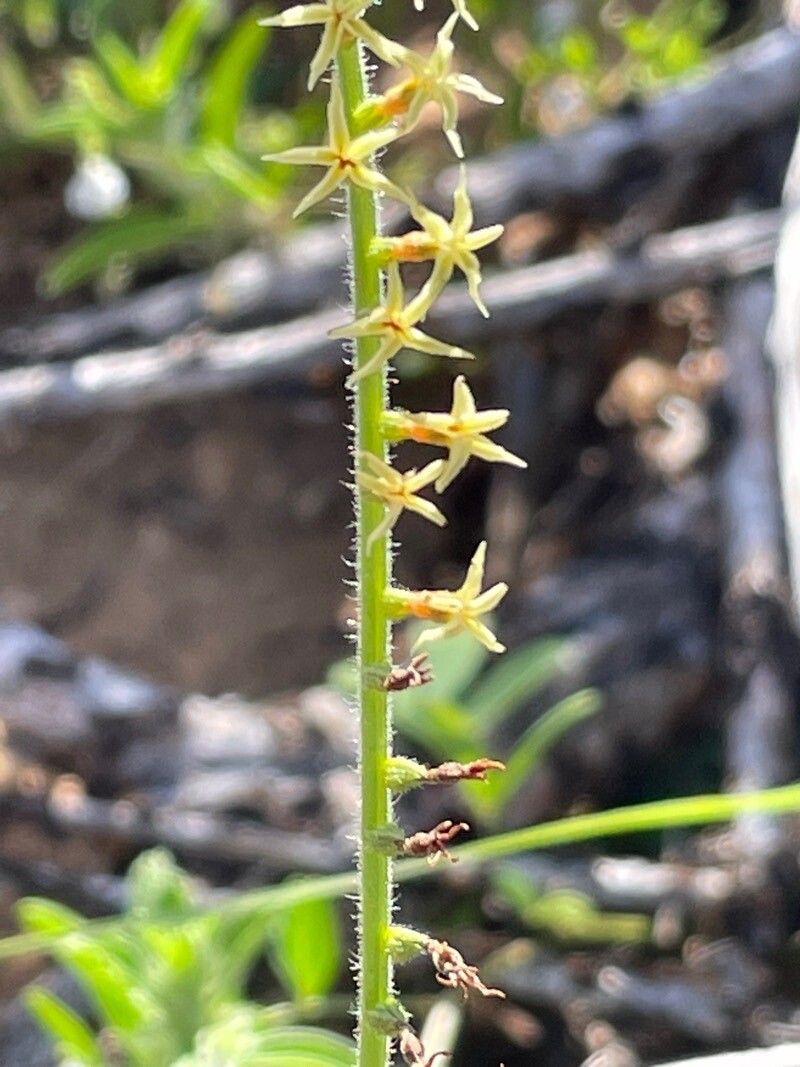
Oh, Heliotropium zeylanicum! That gorgeous scent, that deep, inviting fragrance that just transports you. We affectionately call it Indian Heliotrope, and its clusters of tiny, deep purple flowers are an absolute magnet for pollinators. If you’ve ever fallen in love with its intoxicating perfume and wished you had more of this delightful plant gracing your garden or patio, then you’re in for a treat. Propagating it is a truly rewarding endeavor, and I’m happy to report, it’s quite beginner-friendly! You’ll be sharing these beauties with friends in no time.
The Best Time to Start
For the absolute highest success rate, spring and early summer are your golden windows. This is when your Heliotropium zeylanicum is actively growing, bursting with energy. You want to take cuttings from healthy, vigorous stems that aren’t flowering prolifically. Overly stressed or heavily bloomed plants just don’t have as much juice to invest in rooting.
Supplies You’ll Need
Gathering your tools beforehand makes the whole process smoother. Here’s what I always have on hand:
- Sharp Pruning Shears or a Clean Knife: For taking neat, decisive cuttings.
- Rooting Hormone (Optional but Recommended): This stuff is a game-changer, especially for those of us who like a little boost. Look for a powdered or gel form.
- Small Pots or Seedling Trays: Clean ones, please! Old yogurt cups with drainage holes poked in the bottom work in a pinch.
- Well-Draining Potting Mix: A good quality seed-starting mix or a blend of peat moss and perlite (about 50/50) is perfect. You want it moist but not soggy.
- Plastic Bags or a Clear Cling Film: To create a mini-greenhouse effect.
- Watering Can with a Fine Rose: For gentle watering.
- Small Pebbles or Gravel (for water propagation): To keep cuttings upright.
Propagation Methods
Let’s get our hands dirty! I find two methods work beautifully for Heliotropium zeylanicum.
Stem Cuttings (My Go-To!)
This is my favorite because it’s so reliable.
- Select Your Cuttings: Find a healthy stem that’s about 4-6 inches long. Look for a stem that’s slightly woody at the base but still has plenty of green growth at the tip – sometimes called a ‘semi-hardwood’ cutting.
- Make the Cut: Using your clean shears, make a clean cut just below a leaf node. A leaf node is where a leaf attaches to the stem; this is where the magic of root formation often happens.
- Prepare the Cutting: Gently remove the lower leaves, leaving just two or three at the very top. This prevents them from rotting when buried.
- Dip in Rooting Hormone (Optional): If you’re using it, dip the cut end of the stem into the rooting hormone. Tap off any excess.
- Pot it Up: Fill your small pot with your prepared potting mix. Make a hole in the center using your finger or a pencil.
- Insert the Cutting: Gently place the cut end of the stem into the hole. Firm the soil around it so the cutting is stable.
- Water Gently: Water thoroughly until water drains from the bottom.
- Create a Mini-Greenhouse: Place the potted cutting inside a plastic bag, or cover the pot with clear cling film. Make sure the leaves don’t touch the sides of the bag or film if possible. This traps humidity, which is crucial for cuttings to root.
- Provide Light: Place the pot in a bright spot, but out of direct, harsh sunlight. A windowsill with filtered light is ideal.
- Be Patient: Check regularly for moisture. You should start seeing roots forming in 3-6 weeks. You can gently tug on the cutting; if there’s resistance, you have roots!
Water Propagation
This method is almost as simple and very satisfying to watch!
- Take Similar Cuttings: Prepare your cuttings as described above (steps 1-3).
- Place in Water: Put the prepared cuttings into a small jar or glass of clean water.
- Add Pebbles (Optional): You can add a few small pebbles to the bottom of the jar to help keep the cuttings upright.
- Change Water Regularly: Change the water every 2-3 days to keep it fresh and prevent rot.
- Location: Place the jar in a bright spot with indirect light.
- Watch for Roots: You’ll start seeing small white roots emerge from the nodes within a few weeks.
- Transplant: Once the roots are about an inch long, you can pot them up into your well-draining potting mix using the same steps as for stem cuttings.
The “Secret Sauce” (Pro Tips)
Here are a few little tricks I’ve picked up over the years that I think make all the difference:
- Don’t Let the Leaves Touch the Water! If your cuttings are in water, any submerged leaves are a prime target for rot, which can quickly spread to the whole stem. Pinch them off before they even get wet.
- Bottom Heat is Your Friend: For stem cuttings, placing the pots on a gentle heat mat designed for seedlings can significantly speed up root formation. It mimics the warmth of spring soil and really encourages those roots to get going.
- Cleanliness is Crucial: Always use sanitized tools and clean pots. This dramatically reduces the risk of fungal infections and diseases that can kill your delicate cuttings before they even have a chance.
Aftercare & Troubleshooting
Once your cuttings have developed a good set of roots (you’ll see them peeking out of the drainage holes or feel resistance when you gently tug), it’s time for a little more focused care.
- Gradual Acclimatization: If you used the plastic bag or cling film method, slowly begin to acclimate your new plants to drier air. Gradually open the bag or poke more holes in it over a few days.
- Watering: Water them thoroughly when the top inch of soil feels dry. Avoid overwatering; this is the most common cause of failure.
- Light: Continue to provide bright, indirect light.
- Fertilizer: Once they’ve been potted for a few weeks and are showing new growth, you can start feeding them with a diluted liquid fertilizer every 2-4 weeks.
Signs of Trouble: The most common sign of failure is wilting, turning yellow, or becoming mushy and black – that’s rot. If you see this, it’s usually too late, but try to remove the affected cutting immediately to prevent it from spreading to others. Overwatering is almost always the culprit. If a cutting simply doesn’t root, don’t despair; some just take longer, or perhaps the conditions weren’t quite right that time. That’s the beauty of gardening – it’s a learning process!
A Little Encouragement to Finish
So there you have it! Propagating these fragrant Heliotropium zeylanicum is a wonderful way to multiply the joy they bring. Be patient with yourself and with your plants. Gardening is all about observation and learning, and every new plant you nurture from a tiny cutting is a victory. Happy propagating, and enjoy that incredible scent!
Resource: