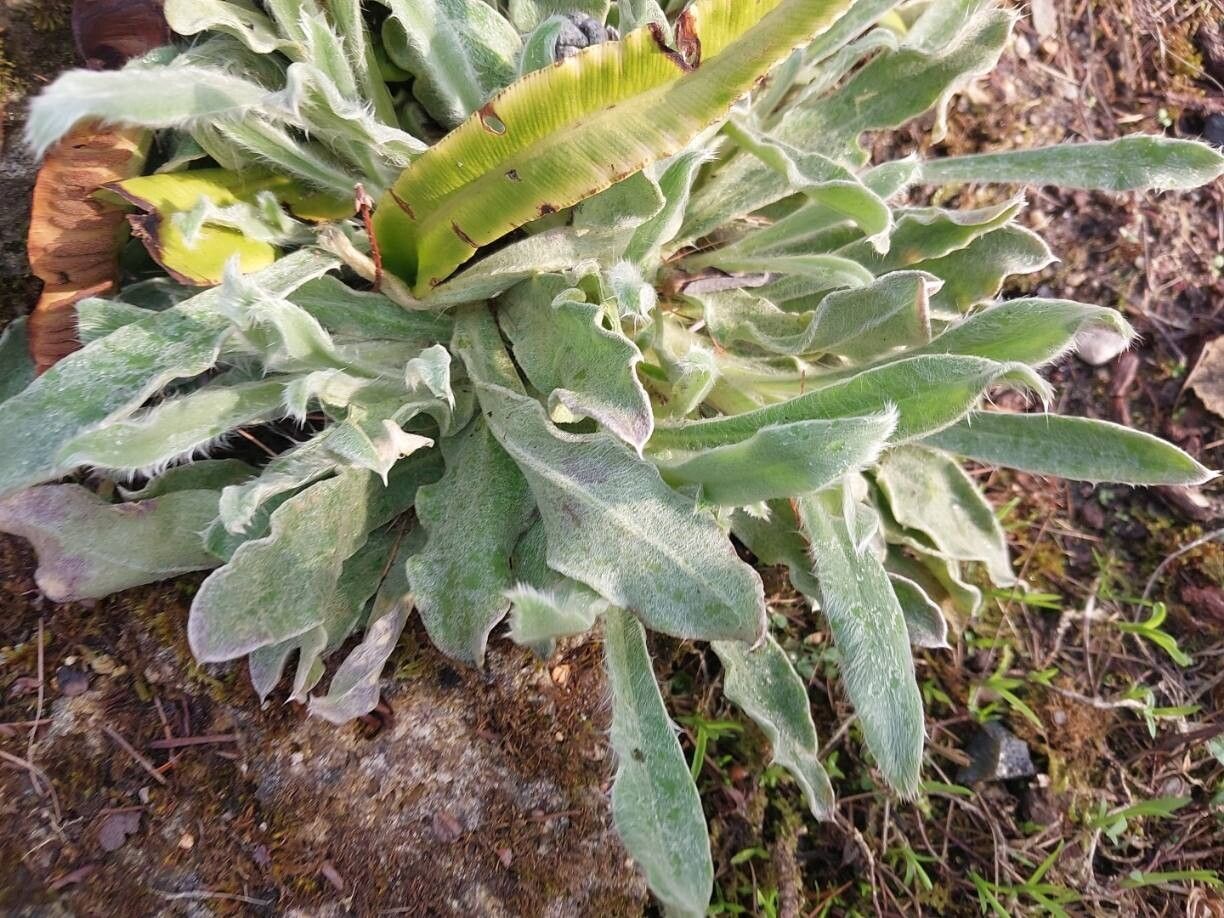
Oh, hello there! Pull up a chair. I’m so excited to talk to you today about a garden gem: Dianthus cruentus, often called cruentus or blood pink. If you love a plant that offers a splash of vibrant color and a delightful fragrance, you’re in for a treat. These beauties, with their intense crimson blooms, are simply stunning. And the best part? They’re surprisingly easy to propagate. In fact, I always tell folks that if you’re new to the plant world, Dianthus cruentus is a wonderful place to start. You’ll feel like a magician in no time!
The Best Time to Start
For the highest success rate, I find late spring to early summer is your golden window. This is when the plant is actively growing and has plenty of energy to put into developing new roots. You want to take cuttings from healthy, non-flowering shoots. Think of it as borrowing a piece of its youthful vigor!
Supplies You’ll Need
Gathering your supplies before you begin makes the whole process much smoother. Here’s what you’ll want to have on hand:
- Sharp, clean pruning shears or a sharp knife: Cleanliness is key to preventing disease.
- Rooting hormone (optional but recommended): This gives your cuttings a little boost.
- A gritty, well-draining potting mix: A good blend is often equal parts perlite and peat moss, or a commercial succulent mix.
- Small pots or seed trays: With drainage holes, of course!
- A spray bottle: For gentle misting.
- A clear plastic bag or propagator lid: To create a humid environment.
Propagation Methods
While you could technically try seeds, I find that propagation from cuttings is far more reliable and gives you a plant that’s genetically identical to your parent.
Stem Cuttings: My Go-To Method
This is my absolute favorite way to multiply Dianthus cruentus.
- Select your cutting: Look for healthy, upright stems that are about 3-4 inches long. Make sure they aren’t flowering or producing flower buds. You want vegetative growth.
- Make the cut: Using your sharp shears, make a clean cut just below a leaf node. This is where roots tend to form most readily.
- Prepare the cutting: Gently remove the lower leaves from the bottom 1-2 inches of the stem. This prevents them from rotting in the soil.
- Apply rooting hormone (optional): Dip the bottom end of the cutting into your rooting hormone powder. Just a light coating is needed. Tap off any excess.
- Pot it up: Fill your small pots with your prepared potting mix. Make a small hole in the center with your finger or a pencil.
- Insert the cutting: Place the bottom of the cutting into the hole and firm the soil gently around it.
- Water gently: Water the pot thoroughly but gently. You don’t want to blast the soil away.
- Create humidity: Place a clear plastic bag over the pot, or use a propagator lid. This traps moisture and keeps the humidity high, which is crucial for cuttings. Just make sure the leaves don’t touch the sides of the bag or lid.
Water Propagation (For the Impatient!)
If you’re itching to see some action, you can try water propagation, though I find it’s a bit more prone to rot.
- Prepare the cutting: Follow steps 1-3 above.
- Submerge: Place the prepared cutting in a small jar or glass of clean water. Make sure the leaf nodes where you removed the leaves are submerged, but try to keep the remaining leaves out of the water. This is super important!
- Change water regularly: Change the water every couple of days to keep it fresh and discourage rot.
- Wait and watch: You should see tiny white roots emerging from the submerged nodes in a few weeks. Once these roots are about an inch long, you can transplant them into your soil mix.
The “Secret Sauce” (Pro Tips)
Here are a few little tricks I’ve learned over the years that can really boost your success:
- Ditch the flowers: I can’t stress this enough. If your cuttings show any sign of forming a flower bud, pinch it off immediately. All the plant’s energy should be going into root development, not making more flowers.
- Bottom heat is your friend: If you have a heat mat (often sold for seed starting), placing your pots on it can significantly speed up root formation. It mimics the warmth of summer soil.
- Don’t overwater: While humidity is key, soggy soil is the enemy of cuttings. Let the top inch of soil dry out slightly between waterings, even inside your propagator.
Aftercare & Troubleshooting
Once your cuttings have developed a good root system (you’ll know when you gently tug on them and feel resistance, or if you see roots peeking out of the drainage holes!), it’s time to treat them like little plant babies.
- Gradually acclimate: Remove the plastic bag or propagator lid for a few hours each day, slowly increasing the time until the cuttings are used to the ambient humidity.
- Move to a slightly larger pot: Once they are robust, you can move them to slightly larger pots with a good quality, free-draining potting mix.
- Water consistently: Water when the top inch of soil feels dry.
- Watch for rot: The most common sign of trouble is rot, where the cutting turns mushy and black. This is usually due to too much moisture and poor air circulation. If you see this, unfortunately, that cutting is likely lost. Start again and adjust your watering and humidity levels.
Happy Propagating!
There you have it! Propagating Dianthus cruentus is a truly rewarding experience. It’s a fantastic way to fill your garden with more of these vibrant blooms without spending a fortune. Be patient with yourself, observe your cuttings, and don’t be discouraged if you lose a few along the way. Every gardener has those moments! Just keep trying, and soon enough, you’ll have a whole garden of these beautiful blood pinks to enjoy. Happy gardening!
Resource:
https://identify.plantnet.org/k-world-flora/species/Dianthus%20cruentus%20Griseb./data