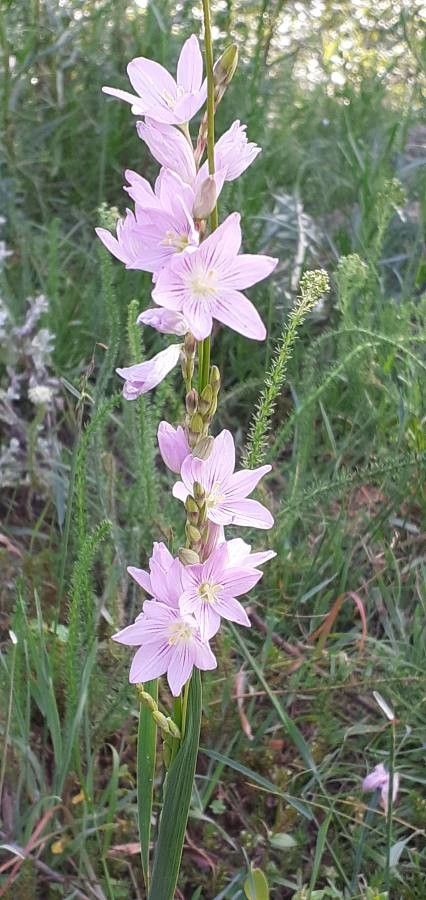
Oh, hello there! Pull up a chair, let’s chat about Ixia flexuosa. If you’re drawn to those graceful, star-shaped blooms that dance in the breeze, you’re in for a treat. Propagating Ixia isn’t just about getting more plants; it’s about unlocking the magic of these gladiolus-like beauties yourself. And guess what? It’s actually quite rewarding, and thankfully, not as daunting as you might imagine, even for someone just starting their garden journey.
The Best Time to Start
For Ixia flexuosa, timing is everything. The sweet spot for propagation is generally late winter to early spring. This is when the plant is often transitioning from its dormant phase, and before the big growth spurt of spring really kicks in. Starting now gives your little ones a good long season to establish themselves before the heat of summer.
Supplies You’ll Need
Don’t worry, we’re not talking about a trip to a professional greenhouse for these. Just a few trusty companions for our propagation adventure:
- Sharp, clean pruning shears or a small knife: No one likes a raggedy start!
- Well-draining potting mix: A blend designed for bulbs or seedlings works wonderfully. Think of it as a cozy, airy bed for new roots.
- Small pots or trays: Enough to give your cuttings or divisions a little space to breathe.
- Watering can or spray bottle: Gentle hydration is key.
- Rooting hormone (optional): This can give your cuttings a little extra boost, but it’s not always essential for Ixia.
- Gravel or perlite: For extra drainage in your potting mix.
Propagation Methods
Ixia flexuosa are surprisingly versatile, but the most common and successful methods involve their bulbs.
Division: The Natural Approach
This is, hands down, the easiest and most reliable way to multiply your Ixias.
- Wait for dormancy: The absolute best time to do this is when the foliage has died back naturally in late summer or fall. This signals the bulbs are resting.
- Gently unearth: Carefully dig up the entire clump of bulbs. You can use a garden fork or a trowel for this. Be as gentle as you can to avoid damaging the bulbs.
- Separate the offsets: Look closely at the main bulb. You’ll likely see smaller bulblets, or offsets, attached. These are essentially baby bulbs! Gently twist or carefully cut these offsets away from the parent bulb. Make sure each offset has at least a small portion of the basal plate (where the roots will grow from).
- Let them dry (briefly): Allow the separated offsets to dry and callus over for a day or two in a dry, airy spot. This helps prevent rot.
- Plant them up: Pot your offsets in your well-draining potting mix, planting them about as deep as they are tall. Give them a good drink, but then let the soil dry out somewhat between waterings.
Stem Cuttings (for the adventurous!)
While division is king for Ixias, you can try stem cuttings, though they’re less common and can be a bit trickier to get to root.
- Take cuttings: In spring, when the plant is actively growing, select a healthy stem. Make a clean cut just below a leaf node. Aim for a cutting that’s about 4-6 inches long.
- Prepare the cutting: Remove the lower leaves, leaving just a few at the top. If you’re using rooting hormone, dip the cut end into it now.
- Pot them up: Insert the cut end into your well-draining potting mix.
- Create humidity: Cover the pot loosely with a plastic bag or place it in a propagator to maintain high humidity.
- Provide warmth: A sunny windowsill or a spot with gentle bottom heat can encourage rooting.
The “Secret Sauce” (Pro Tips)
Here are a couple of little tricks I’ve learned over the years that can really make a difference:
- Don’t overwater the offsets: This is a big one for bulbs. It’s much better to err on the side of slightly too dry than too wet. Soggy soil is the enemy of healthy bulb roots and can lead to rot before they even get a chance to grow.
- The importance of air circulation: Especially when you have multiple cuttings or divisions in close proximity, good airflow is crucial. It helps prevent fungal diseases from taking hold. Think of it as giving them room to breathe and thrive.
Aftercare & Troubleshooting
Once your new Ixia babies show signs of life – meaning you see new shoots emerging – it’s time for the next stage.
- Gradual acclimatization: If you covered your cuttings, start to remove the plastic cover gradually over a few days to let them adjust to the regular humidity.
- Light is key: They’ll need bright, indirect light. As they grow stronger, you can move them to a sunnier spot.
- Watering as needed: Water when the top inch of soil feels dry. Avoid letting the pot sit in water.
- Watch for rot: The most common issue you might encounter is rot, which usually shows up as a mushy, brown base on the bulb or cutting. If you see this, act fast. Remove the affected part and allow the rest to dry out thoroughly. Good drainage is your best defense. Another sign of trouble can be yellowing leaves that aren’t related to the plant finishing its natural cycle – this might indicate too much water or poor drainage.
A Encouraging Closing
Propagating Ixia flexuosa is a journey, and like any worthwhile endeavor in the garden, it teaches us patience. Don’t be discouraged if not every attempt is a roaring success right away. Each time you try, you learn a little more. So, go ahead, get your hands in the soil, and enjoy the wonderful process of bringing more of these elegant blooms into your life. Happy gardening!
Resource:
https://identify.plantnet.org/k-world-flora/species/Ixia%20flexuosa%20L./data