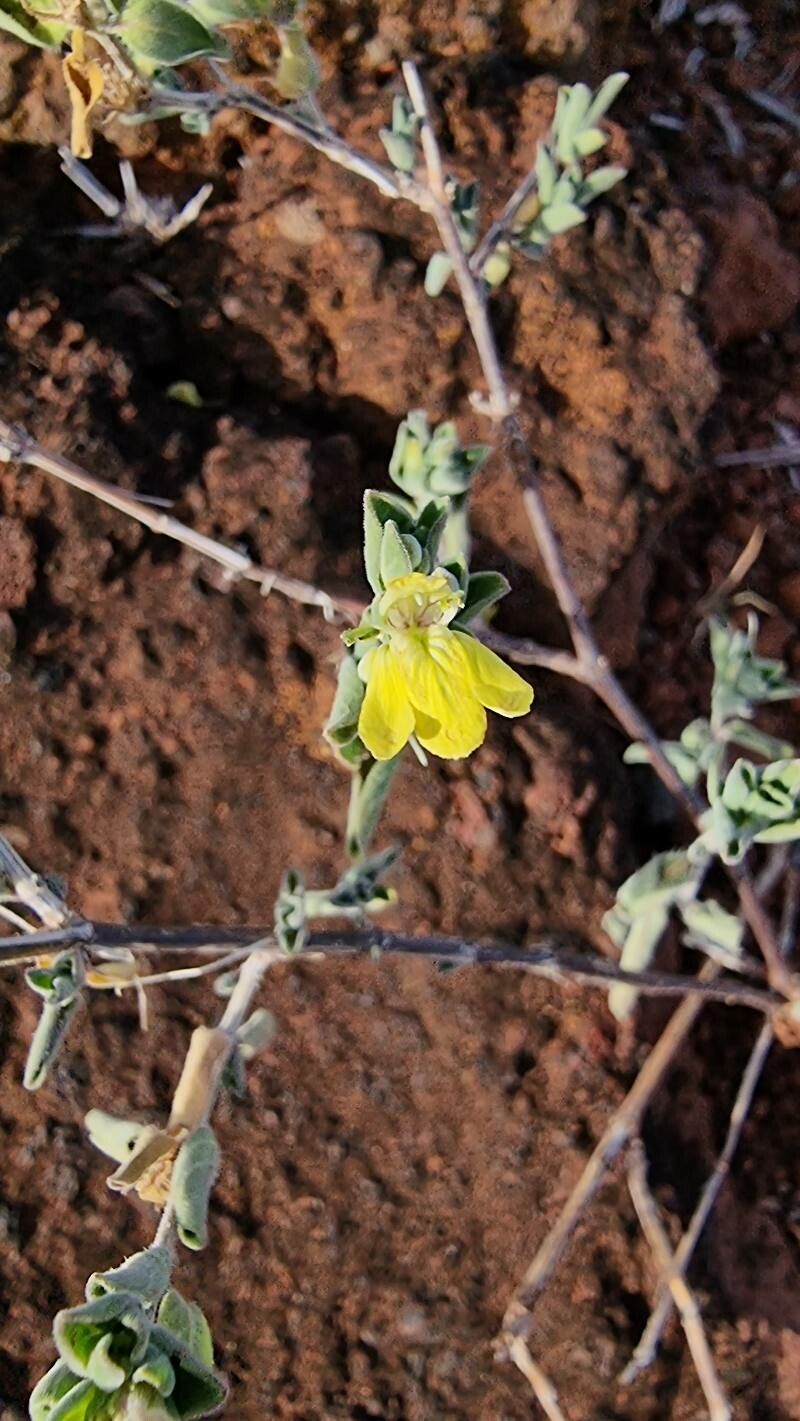
Oh, welcome back to the garden! Today, we’re diving into a plant that brings such lovely color and a bit of tropical flair to our spaces – Justicia odora. If you’ve ever admired its vibrant blooms and wondered how to get more of it, you’re in the right spot! Propagating this beauty is a truly rewarding experience, and I’m thrilled to share my tried-and-true methods with you.
Why You’ll Love Propagating Justicia odora
Justicia odora, often called Pink Pinwheel or Strawberry Justicia, is such a charmer. Its delicate, pink, pinwheel-shaped flowers are a magnet for pollinators, and it has a graceful, arching habit that looks wonderful in hanging baskets or spilling over the edge of a pot. Best of all for us plant enthusiasts, it’s surprisingly easy to propagate! I’d say it’s a fantastic choice for beginners looking to expand their collection without a lot of fuss. You’ll feel a real sense of accomplishment as you nurture these little ones into full-fledged plants.
When to Get Your Hands Dirty
The absolute best time to propagate Justicia odora is during its active growing season, which generally means late spring through mid-summer. This is when the plant is full of energy and has the best chance of putting out roots. You’ll want to take cuttings from healthy, non-flowering stems. Sometimes, a bit of careful pruning can encourage the plant to put out new growth that’s perfect for taking cuttings.
What You’ll Need for Success
Gathering your supplies before you start makes the whole process smoother. Here’s what I always have on hand:
- A clean, sharp pruning shear or craft knife. Sterilize it with rubbing alcohol to prevent disease.
- A well-draining potting mix. I like to use a blend of equal parts peat moss (or coco coir) and perlite. This ensures good aeration and prevents soggy soil.
- Small pots or propagation trays. Yogurt containers with drainage holes work in a pinch, too!
- Rooting hormone (optional, but recommended for a boost). Look for one that contains IBA.
- A clear plastic bag or propagation dome to create a humid environment.
- A spray bottle filled with clean water.
- A small trowel or even a sturdy pencil to make planting holes.
Let’s Get Propagating!
There are a couple of super effective ways to get new Justicia odora plants going. I usually lean towards stem cuttings, but division is also an option if you have a well-established plant.
Method 1: Taking Stem Cuttings
This is my go-to method. It’s quick, easy, and gives a high success rate.
- Select Your Stem: Look for a healthy stem that’s about 4-6 inches long and has at least two sets of leaves. Avoid stems with flowers or flower buds.
- Make the Cut: Using your sterilized pruners or knife, make a clean cut just below a leaf node (where the leaf attaches to the stem). This is where new roots are most likely to form.
- Prepare the Cutting: Gently remove the lower leaves, leaving just two or three at the very top. This prevents them from rotting in the soil and allows the plant to focus its energy on rooting.
- Dip in Rooting Hormone (Optional): If you’re using rooting hormone, dip the cut end of the stem into the powder, tapping off any excess.
- Plant Your Cutting: Fill your small pot with your prepared potting mix. Use your fingertip or a pencil to make a hole in the center. Carefully insert the stem cutting into the hole, ensuring the leaf nodes are below the soil line. Gently firm the soil around the stem.
- Water and Cover: Water the soil thoroughly until it’s moist but not waterlogged. Place the pot inside a clear plastic bag or cover it with a propagation dome. This creates a mini-greenhouse effect.
Method 2: Division
If you have a mature Justicia odora that’s looking a bit crowded in its pot, you can divide it.
- Gently Remove the Plant: Carefully ease the entire plant out of its pot.
- Separate the Roots: Look for natural divisions in the root ball. You can often gently pull sections apart with your hands. If you encounter stubborn roots, use a clean knife to cut through them. Aim to have at least one healthy stem with a good portion of roots in each division.
- Replant: Pot up each division into its own container with fresh, well-draining soil, just as you would a regular potted plant. Water them in well.
The “Secret Sauce” – My Insider Tips
After years of playing in the dirt, I’ve picked up a few tricks that really make a difference.
- Bottom Heat is Your Friend: Justicia odora roots better when the soil is warm. If you can, place your pots on a heating mat designed for plants. It significantly speeds up the rooting process.
- Don’t Drown Your Cuttings: While they need humidity, constant soggy soil is the enemy. Let the top inch of soil dry out slightly between waterings. It’s a fine balance, but crucial to prevent rot.
- Patience, Young Grasshopper! I know it’s tempting to constantly check, but resist the urge to tug on your cuttings. You’ll know they’ve rooted when you see new growth appearing at the tips or when they feel firmly anchored when gently tugged. This can take anywhere from 3 to 6 weeks, sometimes longer.
Aftercare & Troubleshooting: Nurturing Your New Arrivals
Once you see those first signs of new life, it’s time to transition your little propagations.
- Gradual Acclimation: If your cuttings were under a plastic bag, gradually introduce them to the open air over a few days by opening the bag a little more each day. This prevents shock.
- Light and Water: Place your rooted cuttings in a spot with bright, indirect light. Continue to water when the top inch of soil feels dry.
- Fertilizing (Wait!): Don’t fertilize new propagations right away. Wait until they’ve established themselves and are actively growing, then start with a diluted liquid fertilizer at half strength.
Now, what if things don’t go as planned? The most common issue you’ll encounter is rot. If your cutting turns mushy and black, it’s succumbed to too much moisture and not enough air circulation. If this happens, unfortunately, you’ll have to discard it and start again. Sometimes cuttings just don’t make it, and that’s okay! The key is to learn from it and try again.
Go Forth and Propagate!
There you have it – your guide to propagating Justicia odora with confidence. Remember, gardening is a journey, and every plant you nurture is a little victory. Be patient with yourself and your new plant babies. Enjoy the process, and soon you’ll have a whole garden bursting with these lovely pink blooms! Happy planting!
Resource:
https://identify.plantnet.org/k-world-flora/species/Justicia%20odora%20(Forssk.)%20Lam./data