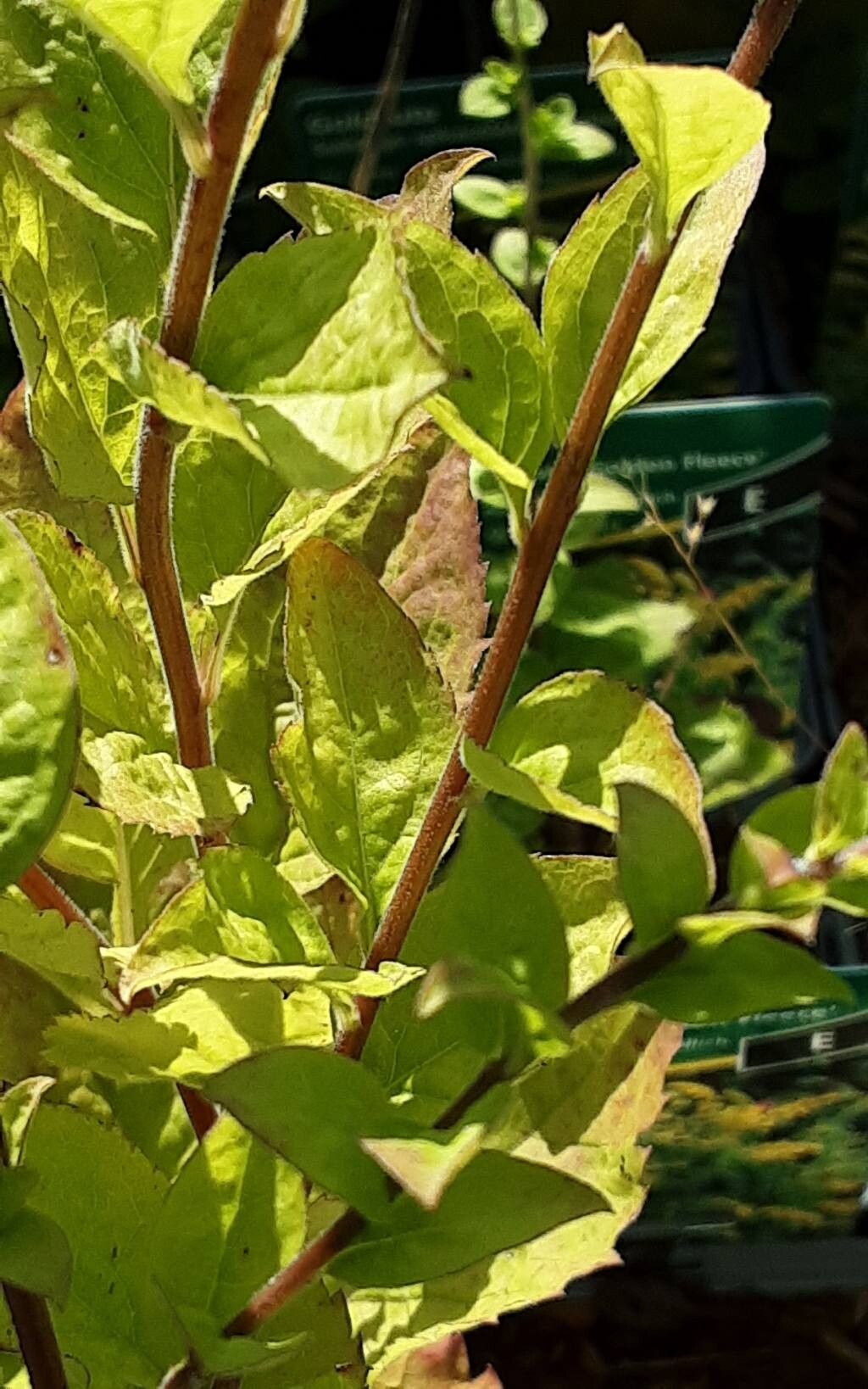
Oh, hello there! Grab your favorite mug, and let’s chat about Goldenrod. I know, I know, some folks have a funny idea about Goldenrod, but let me tell you, Solidago sphacelata is a gem. It’s that vibrant splash of late-season sunshine in the garden, humming with pollinators long after other blooms have faded. And the best part? Propagating it is wonderfully rewarding. For beginners, I’d say it’s fairly easy, especially if you’re open to a little trial and error. It’s a fantastic plant to get your propagation feet wet with!
The Best Time to Start
When it comes to giving your new Solidago babies the best start, late spring to early summer is usually your sweet spot. This is when the plant is actively growing, pushing out fresh, vigorous shoots. You’ll want to work with healthy, non-flowering stems. Trying to propagate when the plant is stressed or dormant just won’t give you the results you’re hoping for.
Supplies You’ll Need
Before we dive in, let’s gather our tools. Think of this as your propagation toolkit:
- Sharp pruning shears or a clean, sharp knife: For making clean cuts.
- Rooting hormone (optional but recommended): Especially for stem cuttings. I like the powder kind.
- Seed-starting mix or a well-draining potting mix: Something light and airy is key. I often mix in a bit of perlite.
- Small pots or seedling trays: With drainage holes, naturally!
- Clear plastic bags or a propagation dome: To create a humid environment.
- Watering can with a fine rose: For gentle watering.
- Labels: To keep track of what you’ve planted!
Propagation Methods
There are a couple of tried-and-true ways to get more Solidago sphacelata from your existing plants. My favorite for this particular goldenrod is division, but stem cuttings are also very successful.
Division (My Go-To!)
This is often the easiest and fastest way to multiply your goldenrod.
- Digging Up: In late spring or early fall (when growth is less vigorous, making it less stressful for the plant), carefully dig up your existing Solidago sphacelata plant. It’s best to make a wide circle around the plant to avoid damaging the roots too much.
- Shaking Off Excess Soil: Gently shake off most of the soil so you can clearly see the root system and the crowns (where the stems emerge from the roots).
- The Split: You can often gently pull the clumps apart with your hands. If they’re a bit stubborn, use a clean trowel or knife to slice through the root ball, ensuring each division has at least a few healthy stems and a good amount of roots.
- Replanting: Immediately replant your divisions. Treat them just like you would a new plant – give them a good watering and place them in a spot where they’ll get appropriate sun and moisture.
Stem Cuttings
This method takes a little more patience, but it’s very satisfying.
- Taking the Cuttings: In late spring or early summer, choose healthy, actively growing stems that are not yet flowering. Use your sharp shears to cut lengths of about 4-6 inches. Make your cuts just below a leaf node (where a leaf attaches to the stem).
- Preparing the Cuttings: Remove the lower leaves, leaving just a couple of sets at the top. This prevents them from rotting when buried and reduces moisture loss. If you’re using rooting hormone, dip the cut end into the powder, tapping off any excess.
- Planting: Fill your small pots or trays with your well-draining potting mix. Make a small hole with a pencil or your finger and insert the cut end of the stem, firming the soil gently around it.
- Creating Humidity: Water the soil lightly. Then, cover the pots with a clear plastic bag secured with a rubber band, or place them under a propagation dome. This traps moisture and creates the humid environment your cuttings need to develop roots.
The “Secret Sauce” (Pro Tips)
Here’s a little insider advice to help boost your success:
- Don’t Overcrowd Cuttings: When planting stem cuttings, give them a bit of breathing room. If they’re packed too tightly, it increases the chance of disease spreading if one starts to fail.
- Bottom Heat is Your Friend (for Cuttings): A gentle warmth from below can significantly speed up root development on stem cuttings. A heating mat designed for seedlings works wonders. It mimics the natural warmth of spring soil.
- Watch for the Gentle Tug: When you think your stem cuttings might have rooted, give a very slight, gentle tug on a cutting. If you feel resistance, you’ve got roots! If it pulls out easily, it hasn’t rooted yet.
Aftercare & Troubleshooting
Once your divisions are replanted or your cuttings look like they’re showing signs of new growth (a good sign of rooting!), it’s time for ongoing care. Keep the soil consistently moist but not waterlogged. Think of it like a wrung-out sponge.
The most common issue you might encounter is rot. This usually happens because the soil is too wet and doesn’t have enough drainage, or the humidity is too high without enough air circulation. If you see stems turning mushy or blackening at the soil line, you may have rot. Remove any affected material immediately and try to increase air circulation around your plants. For unrooted cuttings, if they just wilt and don’t respond to more water, they likely didn’t root. It’s a learning curve, and that’s okay!
Happy Planting!
Don’t be discouraged if your first attempt isn’t perfect. Gardening is all about observation and patience. Enjoy the process of nurturing these little ones. Soon enough, you’ll have more of that cheerful goldenrod to share with friends or to fill your own garden with its sun-kissed beauty. Happy propagating!
Resource:
https://identify.plantnet.org/k-world-flora/species/Solidago%20sphacelata%20Raf./data