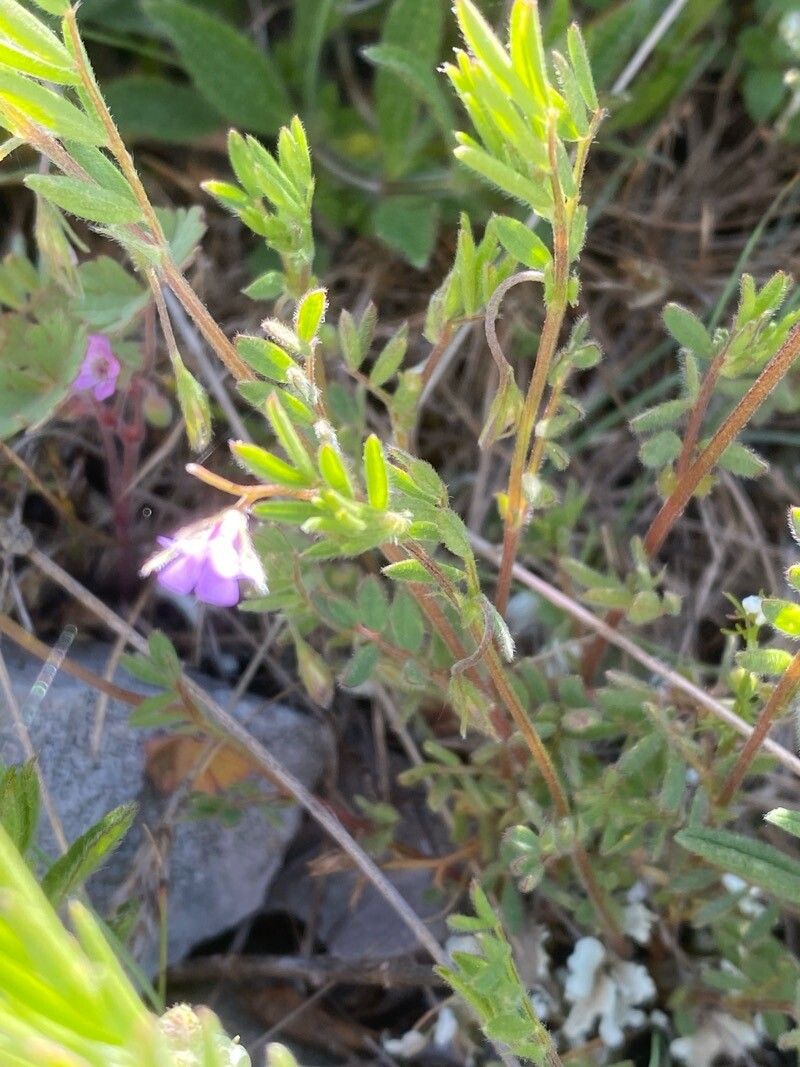
Oh, hello there! Come on in, grab a mug. Today, we’re diving into the delightful world of Vicia lentoides, often called the Lentil Vine. I just adore this little charmer. Its delicate, pea-like foliage and charming little pea flowers bring such a gentle beauty to any space, whether it’s a sunny windowsill or a hanging basket cascading with green. And the best part? They are surprisingly rewarding to propagate! Even if you’re just dipping your toes into the vast ocean of gardening, you’ll find Vicia lentoides to be quite a forgiving friend.
The Best Time to Start
When it comes to getting the most bang for your buck with propagation, timing is everything. For Vicia lentoides, spring and early summer are your golden windows. This is when the plant is naturally gearing up for its most vigorous growth spurt. You’ll find the stems are pliant and full of life, meaning they’re more likely to root successfully given the right conditions.
Supplies You’ll Need
Gathering your tools beforehand always makes the process smoother, right? Here’s what I usually have on hand for propagating Vicia lentoides:
- Sharp pruning shears or a clean, sharp knife: Essential for making clean cuts.
- Rooting hormone powder or gel: While not strictly mandatory, it can give your cuttings a fantastic boost.
- A well-draining potting mix: I like a blend of equal parts peat moss, perlite, and a touch of compost. Alternatively, a high-quality seed-starting mix works wonderfully.
- Small pots or seed trays: Clean ones, please! Old yogurt cups with drainage holes poked in the bottom are perfect in a pinch.
- Watering can or spray bottle: For gentle watering.
- Plastic bags or a propagator: To create a humid environment for your cuttings.
- A sunny spot (but not direct, harsh sun!): Bright, indirect light is key.
Propagation Methods
Vicia lentoides is a trooper, and it’s quite happy to be coaxed into new life through a couple of straightforward methods.
Stem Cuttings: My Go-To
This is my favorite way to multiply my Lentil Vine collection. It’s generally the most reliable and quickest method.
- Take Your Cuttings: When the plant is actively growing (remember, spring/early summer!), select a healthy stem. Using your sharp shears, cut a section that’s about 4-6 inches long. Make the cut just below a leaf node – that little bump where a leaf emerges from the stem. This is often where the magic happens, where roots are most likely to form.
- Prepare the Cuttings: Gently remove the lower leaves from your cutting, leaving just a couple of leaves at the very top. This prevents foliage from rotting when buried in the soil.
- Dip in Rooting Hormone (Optional but Recommended): If you’re using rooting hormone, lightly dip the cut end of the stem into the powder or gel. Tap off any excess.
- Plant Your Cuttings: Fill your small pots or trays with your prepared potting mix. Make a small hole in the center with your finger or a pencil. Gently insert the cutting into the hole, ensuring that at least one leaf node is buried beneath the surface. Firm the soil gently around the stem.
- Water Gently: Give your newly planted cuttings a good, gentle watering. You want the soil to be moist, but not waterlogged.
- Create Humidity: Cover the pots with a clear plastic bag, or pop them into a propagator. This creates a mini-greenhouse effect, keeping the humidity high, which is crucial for cuttings to root. Make sure the plastic doesn’t touch the leaves if possible.
Water Propagation: A Peek-a-Boo Method
This method is satisfying because you can see the roots developing!
- Take Your Cuttings: Similar to the stem cutting method, select healthy stem sections about 4-6 inches long, making the cut just below a leaf node. Remove the lower leaves.
- Place in Water: Put the cuttings in a clean glass or jar filled with fresh water. Ensure that the leaf nodes you removed are submerged, but any remaining leaves are above the water line.
- Change Water Regularly: Change the water every few days to keep it fresh and prevent bacterial growth.
- Watch for Roots: In a couple of weeks, you should start to see tiny white roots emerge from the leaf nodes.
The “Secret Sauce” (Pro Tips)
Here are a few little tricks I’ve learned over the years that can really make a difference.
- Don’t let the leaves touch the water! This is especially important with water propagation. If submerged leaves rot, they’ll contaminate the water and can kill your cutting before it even has a chance to root. For soil cuttings, it means rot setting into the soil.
- Bottom Heat is Your Friend: If you have a heated propagator or even a seedling heat mat, placing your pots on it can significantly speed up root development. The warmth encourages the plant’s natural rooting hormones to get to work.
- Be Patient with the “Water-Rooted” Transplant: When you’ve got nice roots forming in water, it’s tempting to plant them straight away. But wait! Let those roots grow to about an inch long. Then, when you do transplant them into soil, make sure the soil is consistently moist for the first week or two. They’ve been living the high-life in water and need time to adjust to a drier environment.
Aftercare & Troubleshooting
Once you see new growth emerging from your cuttings, it’s a sign that they’ve rooted!
- Gradually Acclimate: If you’ve used a plastic bag or propagator, start by opening it up for a few hours each day to help the new plant get used to normal humidity levels.
- Watering: Keep the soil consistently moist, but not soggy. As the plant grows stronger, you can gradually reduce the watering frequency, allowing the top inch of soil to dry out between waterings.
- Light: Continue to provide bright, indirect light. Once they are well-established, you can gradually introduce them to more direct sun if that’s where you plan to keep them.
Troubleshooting:
The most common issue you’ll encounter is rot. If your cutting looks mushy or black at the cut end, it’s likely succumbed to rot. This is usually due to too much moisture and poor air circulation. If you see signs of rot, it’s best to discard the cutting and start with fresh material. Another sign of failure is a cutting that simply wilts and never seems to perk up, even with adequate watering. This could be due to a lack of humidity or simply a weak cutting.
A Little Encouragement
Don’t be discouraged if your first few attempts aren’t perfect. Gardening is a journey of learning, and every seasoned gardener has had their share of wilting cuttings. Just keep at it, enjoy the process of nurturing these little bits of life, and soon you’ll have a whole cascade of Lentil Vines to enjoy! Happy propagating!
Resource: