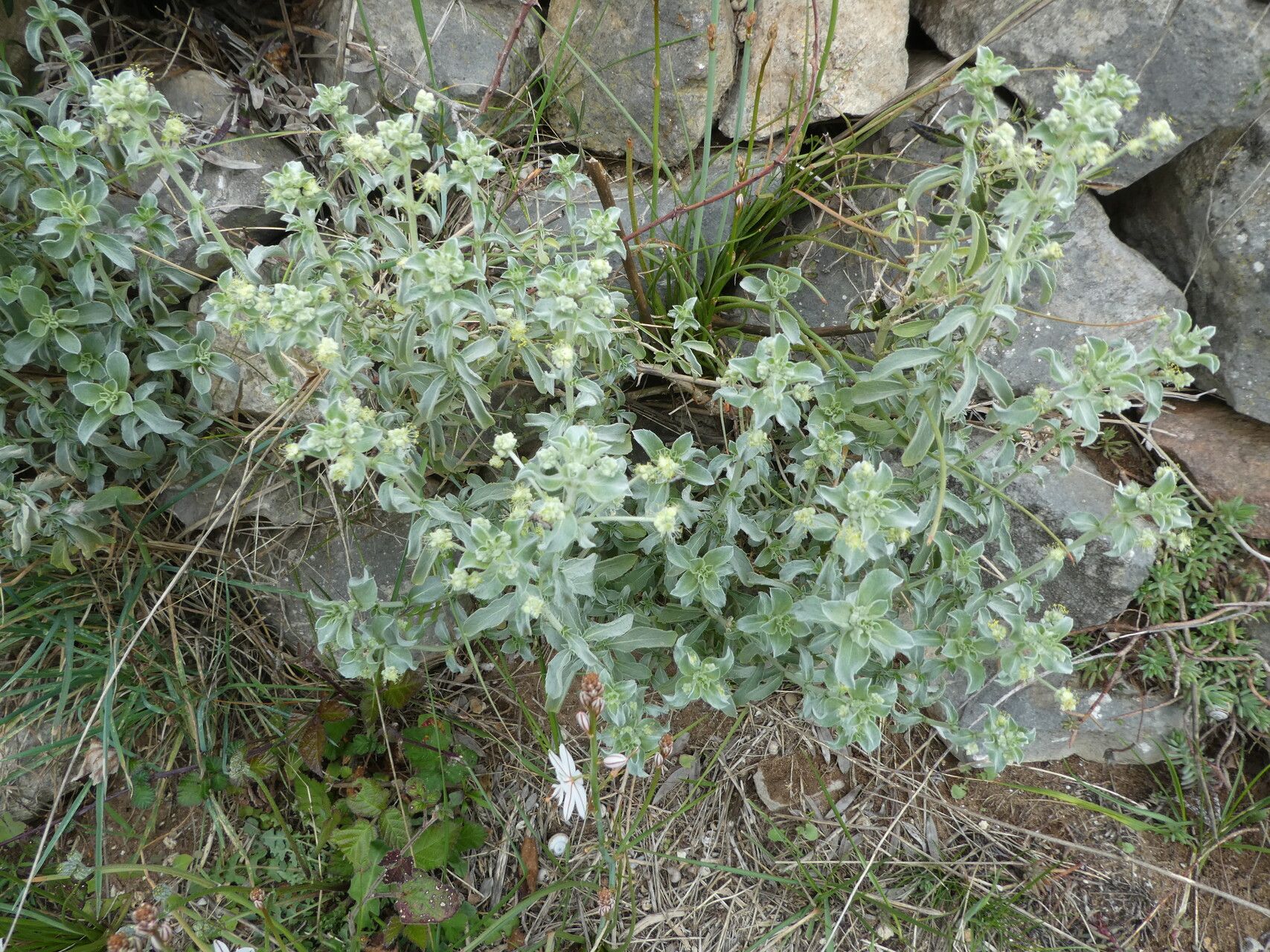
Hello there, fellow garden enthusiasts! If you’ve ever admired the lush, silvery foliage and delicate charm of Mercurialis tomentosa (often called “downy mercury”), you’re in for a treat. This Mediterranean native brings such a lovely texture to the garden. And guess what? Propagating it yourself is a wonderfully rewarding experience. It’s not the trickiest plant to multiply, but it does have its own little quirks. Think of it as getting to know a new friend – a bit of patience and understanding goes a long way!
The Best Time to Start
For the highest success rate with your Mercurialis tomentosa propagation, I always recommend working with softwood cuttings taken in late spring or early summer. This is when the plant is actively growing, and the stems are pliable and full of life. Waiting until the plant has settled into its robust growth phase gives your cuttings the best possible start.
Supplies You’ll Need
Here’s what you’ll want to have on hand to make your propagation efforts smooth sailing:
- Sharp pruning shears or a clean knife: For taking clean cuts that heal well.
- Rooting hormone (optional, but recommended): This helps stimulate root development. Look for one that’s suitable for softwood cuttings.
- Sterile seed-starting mix or a perlite/peat moss blend: Good drainage is key!
- Small pots or trays with drainage holes: About 3-4 inches in diameter is usually perfect.
- A clear plastic bag or a propagation dome: To create a humid environment.
- Water mister or a spray bottle: For keeping things moist.
- Labels: So you don’t forget what you’ve planted where!
Propagation Methods
While you could try division, I find taking stem cuttings to be the most reliable and straightforward method for encouraging new Mercurialis tomentosa plants.
Here’s how I do it:
- Take the Cuttings: In late spring or early summer, select healthy, non-flowering stems from your established plant. You want pieces that are about 4-6 inches long. Using your clean shears or knife, make a clean cut just below a leaf node. A leaf node is where a leaf attaches to the stem.
- Prepare the Cuttings: Gently remove the leaves from the bottom half of each cutting. This prevents them from rotting once in the soil. You can leave just a couple of leaves at the very top to help with photosynthesis.
- Apply Rooting Hormone (Optional): Dip the cut end of each stem into your rooting hormone powder. Tap off any excess.
- Plant the Cuttings: Fill your pots or trays with your sterile potting mix. Make a small hole in the center of each pot with your finger or a pencil. Insert the cut end of your Mercurialis tomentosa cutting into the hole, ensuring the leaf nodes you cleared are below the soil line. Gently firm the soil around the base of the cutting.
- Water Gently: Water the soil thoroughly but gently. You want it to be moist, not waterlogged.
The “Secret Sauce” (Pro Tips)
Now for a couple of little tricks that have made all the difference for me over the years:
- Don’t Let the Leaves Touch the Water (If Water Propagating): While I prefer soil propagation for Mercurialis tomentosa, if you decide to try water propagation, it’s crucial that no leaves are submerged in the water. Submerged leaves will quickly rot and can kill your cutting before it even has a chance to root.
- Bottom Heat Works Wonders: Mercurialis tomentosa loves a bit of warmth from below to encourage root formation. If you have a heat mat designed for seedlings, placing your pots on it can significantly speed up the rooting process. It mimics that cozy spring soil temperature perfectly.
Aftercare & Troubleshooting
Once your cuttings are planted, cover the pots loosely with a clear plastic bag or place them under a propagation dome. This creates a miniature greenhouse, keeping humidity high, which is vital for softwood cuttings. Place them in a bright location out of direct sunlight. You don’t want the leaves to scorch!
Check the soil moisture every few days and mist the leaves lightly if they look a little dry.
The first sign that your cuttings are happy is when you see new leaf and stem growth. This usually indicates that roots have formed. Gently tug on a cutting – if there’s resistance, you’ve got roots! Once established, you can slowly harden them off by gradually removing the plastic cover over a week or two before transplanting them into larger pots or their permanent garden home.
Sometimes, despite our best efforts, cuttings fail. The most common culprit is rot. If you see the stem turning black or mushy, it’s a sign of too much moisture and poor air circulation. Don’t be discouraged! Sometimes, it just means the conditions weren’t quite right, or a particular cutting wasn’t as healthy as it looked.
A Encouraging Closing
Bringing new life into your garden is such a joy, and propagating Mercurialis tomentosa is a beautiful way to do just that. Be patient with your little cuttings; they take their time to establish themselves. Enjoy the process of nurturing them, and before you know it, you’ll have a whole new patch of silvery beauty to admire. Happy propagating!
Resource:
https://identify.plantnet.org/k-world-flora/species/Mercurialis%20tomentosa%20L./data