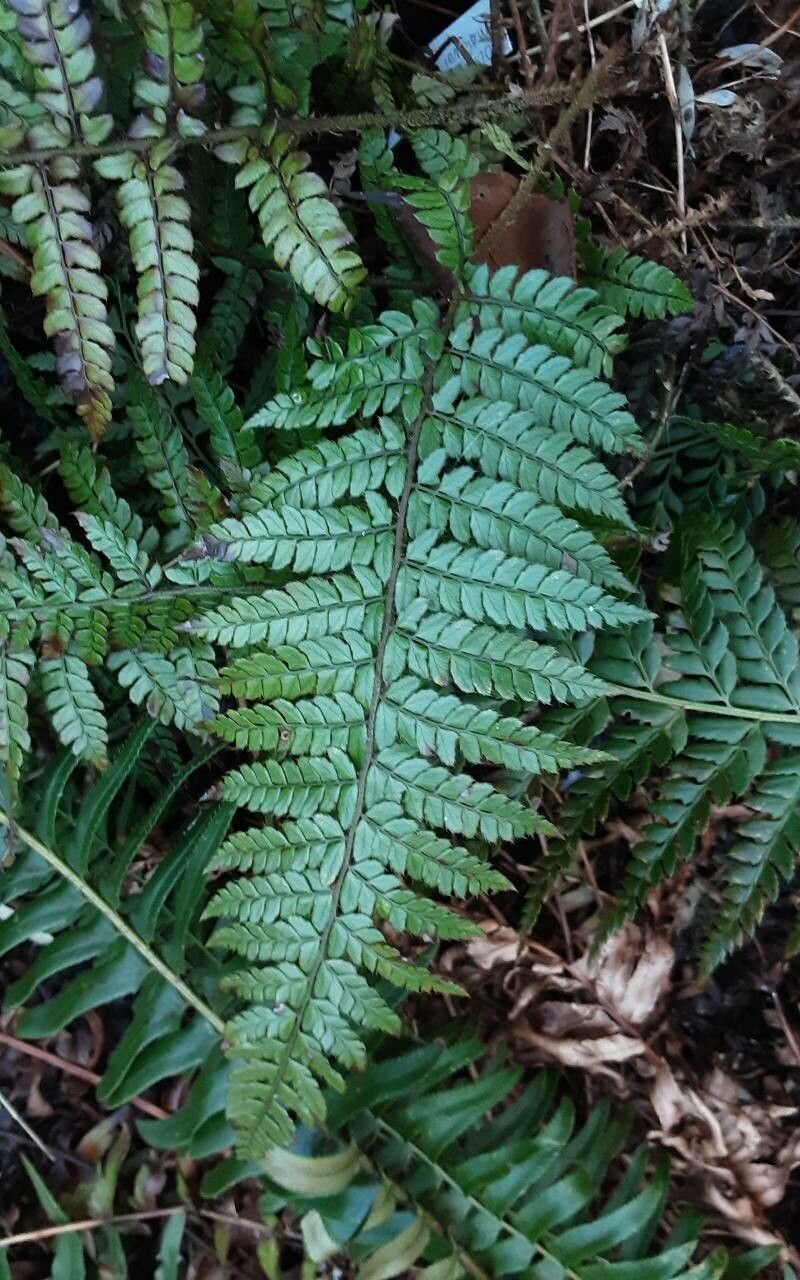
Oh, hello there! Come on in, grab a mug. I’m so glad you’re interested in Polystichum makinoi. It’s truly one of my favorite ferns, with such elegant, finely cut fronds. They add a touch of woodland magic to any shady spot, and honestly, coaxing new plants from your existing beauties is one of the most satisfying parts of gardening. Now, is it easy? For beginners, I’d say it’s moderately challenging – a good project once you’ve got a little experience under your belt, but absolutely doable with a bit of care.
The Best Time to Start
For Polystichum makinoi, your best bet is to propagate in the spring, as the new fronds are just unfurling. This vigorous growth phase means the plant has plenty of energy to spare for making new babies. You can also try in early summer, but spring gives you the best head start.
Supplies You’ll Need
Here’s what I always have on hand when I’m getting ready to propagate:
- Sterilized pots or containers: Cleanliness is key to preventing diseases.
- Well-draining potting mix: A good blend for ferns is usually 2 parts peat moss or coir, 1 part perlite, and 1 part compost. You want it to retain some moisture but not get soggy.
- Sharp, sterilized pruning shears or a clean knife: For making those crucial cuts.
- Rooting hormone (optional but recommended for division): A powder or gel can give young roots a little boost.
- Plastic bags or a clear dome lid: To create a humid environment for cuttings.
- Watering can with a fine rose: For gentle watering.
Propagation Methods
The most reliable way to propagate Polystichum makinoi at home is through division. Unlike some plants that root easily from stem cuttings, ferns like this prefer to be split at their root structure.
Division for Polystichum makinoi:
- Gently unpot your fern: Carefully ease the plant out of its container or dig it up from its garden bed.
- Inspect the root ball: You’re looking for distinct crowns where new fronds are emerging. These are your division points.
- Separate the crowns: Using your fingers or a sterilized knife, carefully pull or cut the root ball into sections, ensuring each section has a healthy root system and at least one or two fronds. Avoid tearing the roots if possible. If it’s a bit stubborn, don’t be afraid to use that knife!
- Pot up your divisions: Plant each new division in its own pot filled with your prepared, well-draining potting mix. Make sure the base of the fronds is just above the soil surface.
- Water thoroughly: Give each potted division a good, gentle watering to settle the soil around the roots.
The “Secret Sauce” (Pro Tips)
Here are a couple of things I’ve learned over the years that really make a difference:
- Don’t overcrowd: When dividing, be patient. Resist the urge to cram too many fronds onto one division. Focus on giving each new plant enough root structure to thrive. Smaller divisions with good roots often do better than a large division with sparse roots.
- Mimic the understory: Ferns love humidity. After potting them up, cover the pots with a clear plastic bag or a propagator lid. This creates a mini greenhouse effect, keeping the moisture around the developing roots and the delicate new fronds. Pop a couple of small holes in the bag if you’re worried about stagnant air.
Aftercare & Troubleshooting
Once your new Polystichum makinoi divisions are potted, here’s how to care for them:
- Light: Place them in a bright, indirect light location. Think of the dappled shade under a tree. Direct sun will scorch those tender new fronds.
- Watering: Keep the soil consistently moist but not waterlogged. Check the soil moisture by poking your finger in about an inch deep. If it feels dry, it’s time to water.
- Humidity: Continue to keep them in that humid environment you created for the first few weeks, gradually removing the cover as the plant shows signs of new, unfurled growth.
- Troubleshooting: The most common issue you’ll face is rot, which is usually caused by overwatering or poor drainage. If you see fronds turning brown and mushy at the base, or the soil stays wet for days, you might need to check the drainage and adjust your watering. If a division looks completely limp and unhappy after a couple of weeks, it might not have had enough viable root to sustain itself. Don’t despair; just try again! Sometimes, nature takes its course.
A Encouraging Closing
Propagating ferns can feel a little delicate, but Polystichum makinoi is a rewarding plant to work with. Be patient with your new charges, give them consistent care, and you’ll be rewarded with lush, beautiful ferns gracing your garden. Enjoy the process of bringing new life into your green space! Happy gardening!
Resource:
https://identify.plantnet.org/k-world-flora/species/Polystichum%20makinoi%20(Tagawa)%20Tagawa/data