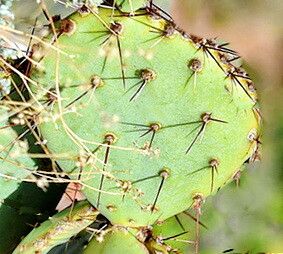
Hello fellow green thumbs! So, you’ve fallen for the charm of Opuntia camanchica? I don’t blame you one bit. These prickly pears, with their vibrant pads and sometimes stunning blooms, are just captivating. And the best part? They’re surprisingly rewarding to propagate. It’s like magic, watching a little piece of your beloved plant grow into its own magnificent self. Most beginners will find this a really accessible plant to work with; it’s quite forgiving!
The Best Time to Start
For Opuntia camanchica, you’ll find the most success by waiting for late spring or early summer. This is when the plant is actively growing and has the energy to put into developing roots. You want to propagate from pads that are mature and firm, not brand new, tender growth. Think of it as choosing a well-established twig from a tree for grafting – it’s got the best chance of thriving.
Supplies You’ll Need
Before we get our hands (carefully!) dirty, gather these essentials:
- Clean, sharp pruning shears or a sturdy knife: For making clean cuts.
- Well-draining potting mix: A cactus or succulent mix is perfect. You can also make your own by combining potting soil with plenty of perlite or pumice (a 50/50 ratio works wonders).
- Rooting hormone (optional but recommended): This can give your cuttings a little boost.
- Gloves: These prickly pears can be… enthusiastic with their spines!
- Terracotta pots or shallow trays: For planting your cuttings.
- Newspaper or cardboard: To handle the pads without getting pricked.
- Spray bottle: For gentle watering.
Propagation Methods
The most straightforward way to multiply your Opuntia camanchica is through stem cuttings (which, in cactus terms, are actually modified stems or cladodes). It’s so incredibly simple, you’ll wonder why you ever hesitated.
Here’s how I do it:
- Select and Detach a Pad: Choose a healthy, mature pad from your Opuntia camanchica. Gently twist or cut it off from the main plant at the joint where it meets another pad. Be very careful with the spines! Using that newspaper or cardboard folded over the pad will give you a protective grip.
- Let it Callus: This is a crucial step. Place the cut pad in a dry, well-ventilated spot out of direct sunlight for several days to a week. You want the cut surface to dry and form a callus over. This prevents rot when you plant it. It will look sort of like a dry scab.
- Planting the Cutting: Once callused, you can plant your Opuntia pad. Stick the callused end about an inch or two deep into your well-draining cactus mix. If you’re using rooting hormone, dip the callused end into it before planting.
- Initial Watering (or Waiting!): Here’s a bit of a debate among growers, but I prefer to wait another week or so after planting before watering. This gives the callus another chance to seal and reduces the risk of rot. When you do water, do so lightly.
The “Secret Sauce” (Pro Tips)
Now, for a couple of tricks up my sleeve that have boosted my success rates:
- “No Water Until Roots” Rule: While some might mist immediately, I still firmly believe in letting the soil dry out completely between waterings, especially in the first few weeks. When you eventually see signs of roots (which can take 4-8 weeks, or even longer!), then you can start watering more regularly, though still ensuring excellent drainage.
- Bottom Heat is Your Friend: If you’re propagating in cooler weather or want to speed things up a bit, placing your potted cuttings on a seedling heat mat can work wonders. It encourages root development from below and mimics the warm conditions these desert dwellers love. Just be sure to keep the mat at a gentle temperature, not scorching hot.
Aftercare & Troubleshooting
Once your Opuntia camanchica cutting has rooted, it’s pretty much smooth sailing! You’ll know it’s rooted when it starts to feel firm and might even resist being pulled out of the soil easily. From here, treat it like a mature Opuntia camanchica – lots of sun, and water only when the soil is thoroughly dry.
The most common sign of failure is rot. If your pad looks mushy, discolored (often black or brown and soft), or starts to fall apart, rot has set in. This is usually due to overwatering or not allowing the cutting to callus properly. If you catch it early, you might be able to cut away the rotted portion and let the healthy part callus again, but often, it’s best to start fresh. Another sign of no roots is if the pad stays soft and a bit wrinkled for an extended period, but this can sometimes just mean it’s taking its time. Patience is key!
A Warm Encouragement
Growing new plants from cuttings is such a fulfilling part of gardening. Don’t be discouraged if your first attempt isn’t perfect. Every plant and every cutting is a learning experience. Embrace the process, be patient with your little Opuntia camanchica babies, and before you know it, you’ll have a whole clan of these beautiful succulents! Happy growing!
Resource: