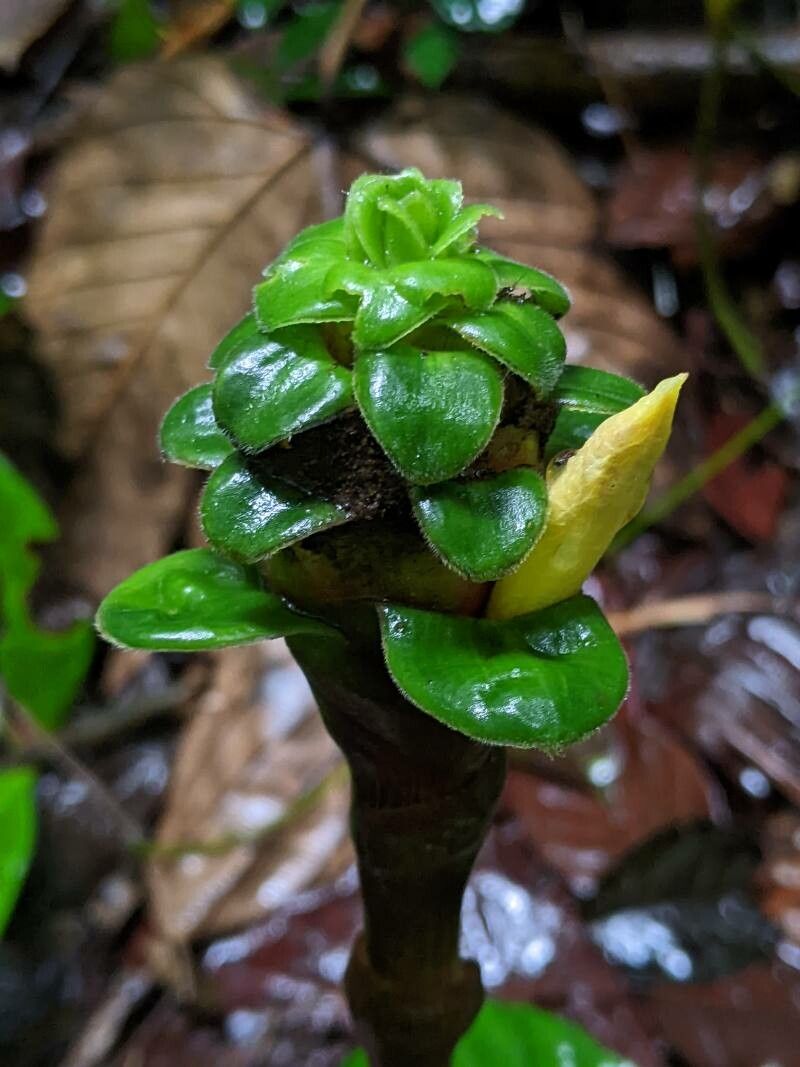
Hello, fellow plant lovers! Today, we’re diving into the wonderful world of Costus claviger, also known as the Spiral Ginger. If you’ve ever admired this tropical beauty with its stunning, architecturally arranged leaves and vibrant blooms, you’re in for a treat. Propagating it is incredibly rewarding, and while it might seem a little intimidating at first glance, I promise you, it’s quite achievable even for those who are just starting their plant journey. Seeing a new little plant unfurl its first leaves from a piece of the parent is pure magic!
The Best Time to Start
For the highest success rate with Costus claviger, I always recommend starting in late spring or early summer. This is when the plant is in its most vigorous growth phase. The days are longer, the temperatures are warming up, and there’s plenty of natural energy for your cuttings or divisions to establish themselves. You’ll find they root much more readily when the weather is warm and consistent.
Supplies You’ll Need
Here’s what you’ll want to have on hand before you get started:
- Sharp, clean pruning shears or a knife: For making clean cuts. Sterilize them with rubbing alcohol between uses to prevent disease.
- Well-draining potting mix: A good blend for tropical plants and aroid mixes work wonders. I often use a mix of equal parts peat moss, perlite, and orchid bark.
- Small pots or rooting trays: With drainage holes, of course!
- Rooting hormone (optional but recommended): A powder or gel can significantly speed up the rooting process.
- A clear plastic bag or propagator: To create a humid environment for cuttings.
- Watering can with a fine rose: For gentle watering.
- Labels and a permanent marker: To keep track of your creations!
Propagation Methods
Costus claviger is quite forgiving, and I’ve had great success with a couple of methods.
Stem Cuttings
This is my go-to method for Costus claviger.
- Select a healthy stem: Look for a vigorous stem that has at least two to three nodes (the small bumps where leaves emerge or have emerged).
- Make a clean cut: Using your sterilized shears or knife, cut the stem just below a node. The cutting should be about 4-6 inches long.
- Remove lower leaves: Carefully strip off any leaves from the bottom half of the cutting, leaving just one or two at the very top.
- Apply rooting hormone (optional): Dip the cut end into rooting hormone, tapping off any excess.
- Plant your cutting: Insert the cut end about an inch deep into your prepared potting mix. Gently firm the soil around it.
- Create humidity: Water the soil lightly until it’s moist but not waterlogged. Then, cover the pot with a clear plastic bag, or place it in a propagator. This traps moisture and creates the humid environment cuttings crave.
- Place in bright, indirect light: Find a warm spot away from direct sun.
Division
If your Costus claviger has grown into a larger clump, division is a great way to get more plants.
- Gently remove from pot: Carefully take the entire plant out of its container.
- Loosen the root ball: Gently tease apart the soil from the roots, being careful not to damage them too much.
- Identify divisions: Look for natural breaks in the rhizomes or where distinct shoots are emerging.
- Separate carefully: Using a clean knife or even your hands, carefully pull or cut the plant into smaller sections. Ensure each division has at least one healthy shoot and some roots.
- Replant: Pot each division into its own container with fresh, well-draining potting mix.
The “Secret Sauce” (Pro Tips)
Here are a few little tricks I’ve learned along the way:
- Don’t let the leaves touch the soil: For stem cuttings, if the leaves of the cutting are touching the soil surface, they are more prone to rot. Trim them if necessary, or make sure your cutting is long enough that the remaining leaves are held above the soil.
- Bottom heat is your friend: Cuttings and divisions often root much faster when they have a bit of warmth from below. A seedling heat mat is perfect for this. It mimics the warmth of the tropical environment they love and really encourages root development.
- Be patient with dormancy: Sometimes, especially with divisions, plants might seem a little reluctant to take off. Costus can have dormant periods. Just keep them in appropriate conditions and resist the urge to overwater. New growth will eventually appear!
Aftercare & Troubleshooting
Once you start seeing new leaf growth or notice resistance when gently tugging on your cutting (a sign of roots!), gradually introduce it to normal conditions. Remove the plastic bag little by little over a few days to let it acclimate. Continue watering when the top inch of soil feels dry.
The most common issue you might encounter is rot. This is usually a sign of overwatering or poor drainage. If you see a cutting turning black and mushy, unfortunately, it’s likely unsalvageable. If you’re dividing, make sure to discard any rotted parts and dust cut surfaces with cinnamon, which has natural antifungal properties.
Happy Propagating!
Propagating Costus claviger is a wonderful way to expand your collection and share these gorgeous plants with others. Remember to be patient with the process, observe your new little plants, and most importantly, enjoy the journey. Happy gardening!
Resource:
https://identify.plantnet.org/k-world-flora/species/Costus%20claviger%20Benoist/data