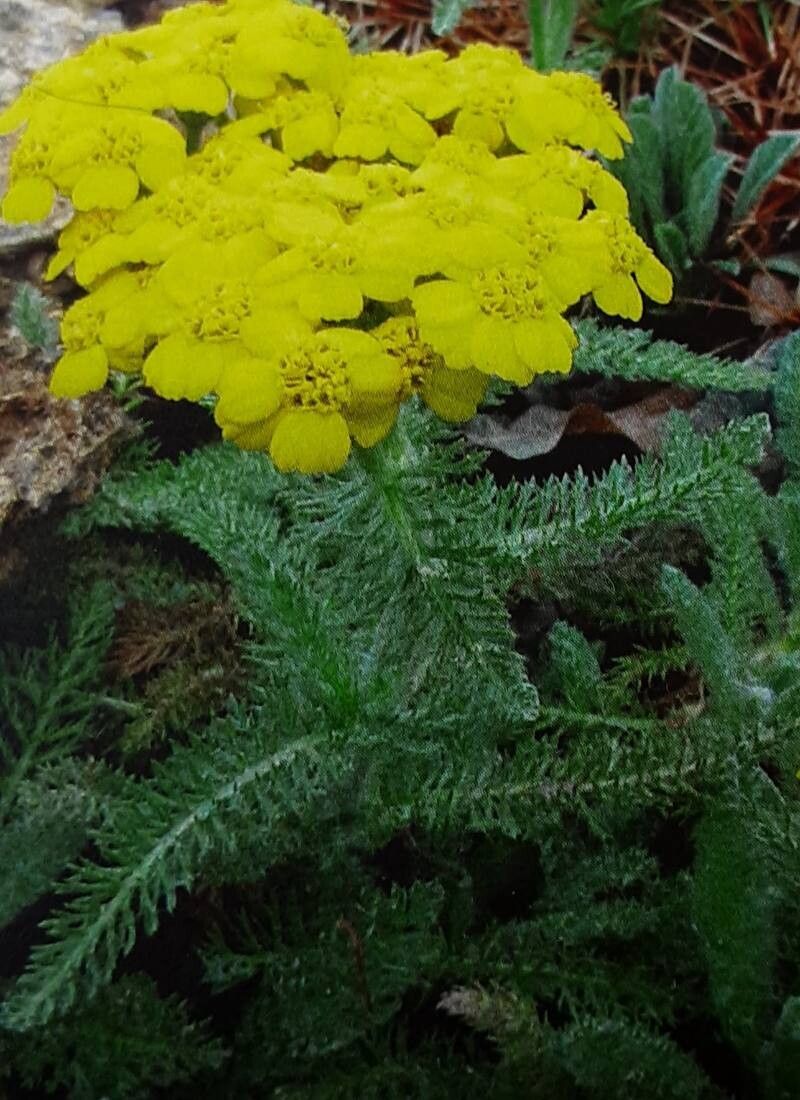
Oh, hello there! Grab your favorite mug, and let’s chat about a little gem in the garden: Achillea chrysocoma. This yarrow is just stunning with its feathery foliage and cheerful, golden-yellow flowerheads. It’s one of those plants that really adds a sunny disposition to any border. And the best part? It’s surprisingly easy and incredibly rewarding to propagate. Even if you’re just dipping your toes into the world of plant propagation, you’ll find this one a delightful companion.
The Best Time to Start
For Achillea chrysocoma, late spring to early summer is your golden window. This is when the plant is actively growing, and the new shoots have started to firm up a bit but are still pliable. Trying to take cuttings too early in the season, when things are still waking up, can be a bit hit-or-miss, and waiting until the very end of summer might mean they don’t establish enough before cooler weather sets in.
Supplies You’ll Need
Ready to get your hands dirty? Here’s what you’ll want to have on hand:
- Sharp pruning shears or a clean knife: For making clean cuts, which is crucial for good root development.
- Rooting hormone (optional but recommended): This little helper can significantly boost your success rate.
- Small pots or containers: About 3-4 inches in size are perfect. Make sure they have drainage holes!
- Well-draining potting mix: I like to use a blend of equal parts seed-starting mix and perlite or coarse sand. This ensures good aeration and prevents waterlogging.
- Plastic bags or a propagator: To create a humid environment for your cuttings.
- Watering can with a fine rose: For gentle watering.
- A sunny, but not scorching, location: Or a grow light setup.
Propagation Methods
Achillea chrysocoma is a champion at division, and stem cuttings are also quite straightforward. Let’s dive in.
Division
This is my absolute favorite method for yarrows, and Achillea chrysocoma is no exception.
- Dig Up Your Plant: In late spring, gently dig around the base of your established yarrow. You want to lift the entire root ball out of the soil.
- Gently Shake Off Soil: Carefully remove as much soil as you can from the roots. You’ll see distinct clumps or crowns.
- Separate the Divisions: Using your hands or a clean spade, carefully pull the root ball apart. Each section should have a healthy portion of roots and at least a few growing shoots. If a division looks too small or weak, it’s probably best to put it back.
- Trim if Necessary: If the roots are excessively long or tangled, a light trim is okay.
- Replant Immediately: Plant your divisions in their new homes or in containers with your prepared potting mix. Water them in well.
Stem Cuttings
This method is great if you want to make a lot of plants or if your plant is still quite young.
- Take the Cuttings: Look for healthy, non-flowering shoots that are about 3-4 inches long. Using your sharp shears, make a clean cut just below a leaf node (where a leaf attaches to the stem).
- Prepare the Cuttings: Remove the lower leaves from the cutting, leaving just the top couple of sets. This prevents them from rotting in the soil.
- Dip in Rooting Hormone (Optional): If you’re using rooting hormone, dip the cut end of each cutting into the powder, tapping off any excess.
- Insert into Potting Mix: Make small holes in your prepared potting mix with a pencil or your finger. Gently insert the cuttings into the holes, ensuring the nodes where you removed the leaves are buried. Firm the soil gently around them.
- Water and Cover: Water the pots thoroughly but gently. Then, cover the pots with a plastic bag or place them inside a propagator. This will create a humid environment, which is key. You can prop the bag up with a few skewers so it doesn’t touch the leaves.
The “Secret Sauce” (Pro Tips)
Here are a couple of my go-to tricks that have saved many a cutting for me:
- Make it Sunny, Not Scorching: While your cuttings need light to produce energy, direct, hot sun can quickly dehydrate them, especially when they don’t have roots yet. Find a bright spot that gets gentle morning sun or filtered afternoon light. If you only have a sunny window, you might need to pull them back slightly during the hottest part of the day.
- Cleanliness is King: I cannot stress this enough, but sterilize everything. Clean your tools with rubbing alcohol and either get new pots or thoroughly scrub and sterilize old ones. This dramatically reduces the risk of fungal diseases like damping-off, which can wipe out your cuttings before they even have a chance.
- Watch for the “Wilt and Recover”: Sometimes, a cutting will wilt a bit right after you pot it up. This is normal as it adjusts. But if it stays wilted for more than a couple of days, it’s not a good sign. Healthy cuttings should perk up within 24-48 hours, especially in that humid environment.
Aftercare & Troubleshooting
Once your Achillea chrysocoma cuttings have started to grow new leaves – that’s your cue they’re likely rooting! You can gently tug on one; if there’s resistance, you’ve got roots.
- Gradual Acclimation: Once roots have formed, it’s time to gradually acclimate them to normal conditions. Start by opening the plastic bag for a few hours each day, then increase the time until you can remove the bag entirely.
- Watering: Continue to keep the soil consistently moist but not soggy. As the plants grow stronger, you can let the top inch of soil dry out slightly between waterings.
- Repotting: When the new plants have a good root system and are filling their pots, you can pot them up into slightly larger containers.
- Troubleshooting: The most common issue is rot. This usually happens from overwatering or poor drainage. If you see the stem turning mushy at the soil line or the leaves going yellow and falling off, it’s a sign of rot. Sadly, there’s not much you can do once it starts. Prevention is key: good drainage, not overwatering, and ensuring that crucial airflow.
And there you have it! Propagating Achillea chrysocoma is a wonderfully satisfying process. Be patient with your new little plants, give them time, and enjoy the journey of watching them grow and bloom. Happy gardening!
Resource:
https://identify.plantnet.org/k-world-flora/species/Achillea%20chrysocoma%20Friv./data