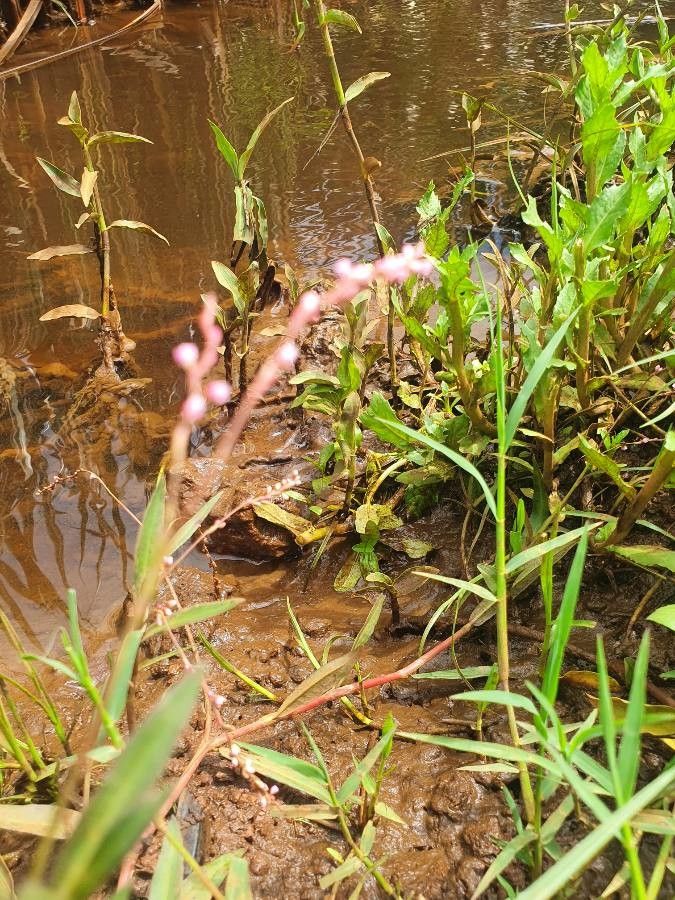
Oh, hello there! Coffee’s poured, the sun’s just starting to warm up the greenhouse, and I’m so excited to chat with you about a plant that’s truly captured my heart: Persicaria strigosa, also known as the knotweed or sometimes just one of those gorgeous, architectural Polygonums. If you’ve seen its elegant, often dark, foliage and striking flower spikes, you know exactly why it’s such a standout. And the best part? You can easily have more of this beauty gracing your own garden!
Why You’ll Love Propagating Persicaria Strigosa
Let’s be honest, there’s a special kind of magic in growing a plant from a tiny cutting or a divided clump. It’s not just about saving money (though that’s a nice perk!), it’s about understanding your plants on a deeper level. Persicaria strigosa is particularly rewarding because it’s quite generous with its propagation. For anyone just dipping their toes into the world of plant propagation, you’ll be pleased to hear that this one is remarkably easy. You’ll be sharing these beauties with friends in no time!
The Best Time to Start
For the highest success rate, I find late spring to early summer is your sweet spot. This is when the plant is in active growth, meaning it’s got plenty of energy to put towards rooting. You’re looking for nice, healthy, non-flowering stems. Waiting until the plant has really woken up for the season gives it the best chance to thrive.
Supplies You’ll Need
Gathering your tools beforehand makes the whole process so much smoother. Here’s what I usually have on hand:
- Sharp Pruning Shears or a Knife: Clean cuts are crucial to prevent disease. Sterilize them with rubbing alcohol between cuts.
- Potting Mix: A well-draining mix is key. I often use a blend of peat moss or coco coir, perlite or vermiculite, and a bit of compost. For stem cuttings, a lighter, less compost-heavy mix works well.
- Small Pots or Seed Trays: Clean, with drainage holes, of course!
- Rooting Hormone (Optional but Recommended): This can give your cuttings a helpful boost. I prefer powdered forms.
- Plastic Bag or Propagator: To create a humid environment for your cuttings.
- Watering Can with a Fine Rose: For gentle watering.
- Labels and a Pen: To keep track of what you’ve planted and when.
Propagation Methods: Giving Your Persicaria a Head Start
There are a couple of really effective ways to get more Persicaria strigosa. I often use a combination of these methods depending on what I’m aiming for.
Method 1: Stem Cuttings – The Classic Approach
This is my go-to for creating new plants quickly.
- Take Your Cuttings: In late spring or early summer, select healthy, non-flowering stems. Using your sharp shears, cut a piece about 4-6 inches long. Aim for a stem that has at least two or three sets of leaves. Make your cut just below a node (the point where a leaf joins the stem).
- Prepare the Cuttings: Carefully remove the lower leaves from the cutting, leaving just the top two sets. This helps prevent them from rotting in the soil. If the remaining leaves are very large, I sometimes snip them in half.
- Apply Rooting Hormone (Optional): Dip the cut end of the stem into your rooting hormone, tapping off any excess.
- Plant Your Cuttings: Fill your pots or trays with your prepared potting mix. Make a small hole with your finger or a pencil, and gently insert the cutting, ensuring the node is buried. Firm the soil gently around the stem.
- Water and Cover: Water the soil thoroughly but gently. Then, cover the pot with a plastic bag or place it in a propagator to maintain high humidity. You can use skewers or small stakes to keep the plastic from touching the leaves.
Method 2: Division – For Instant Impact
If you have an established clump, dividing it is a wonderfully straightforward way to get new plants.
- Dig Up the Clump: The best time for division is also early spring or fall, just as the plant is emerging or going dormant. Gently dig up the entire clump using a spade.
- Separate the Sections: Gently tease apart the root ball with your hands or use a sharp knife or spade to cut through thicker, woody sections. You’re looking for sections that have both roots and healthy shoots.
- Replant Immediately: Replant the divided sections as soon as possible into their new homes, whether that’s back in the garden or into pots filled with your potting mix. Water them well.
The “Secret Sauce” (Pro Tips)
After years of gardening, you pick up a few tricks that make all the difference.
- Bottom Heat: For stem cuttings, placing your pots on a heated propagator mat can dramatically speed up root formation. It mimics the warmth of summer soil and gives those roots a real boost.
- Don’t Drown Them! While humidity is essential for cuttings, overwatering is the quickest way to invite rot. Make sure your soil is consistently moist but never waterlogged. A good sprinkle of perlite in the mix helps with drainage and aeration.
- Patience is a Virtue: Especially with stem cuttings, it can take anywhere from 3-6 weeks for roots to form. Resist the urge to keep pulling them up to check! You’ll know they’re ready when you see new growth or feel a bit of resistance when you gently tug.
Aftercare & Troubleshooting
Once you see those first signs of life – new leaves unfurling or a gentle tug indicating roots – it’s time to adjust.
Gradually acclimate your new plants to less humid conditions by slowly opening the plastic bag or propagator over a few days. Continue to water them consistently, keeping the soil moist but not soggy. Once they’ve developed a good root system and are showing robust growth, you can transplant them into their permanent garden spot or larger pots.
The most common issue you’ll encounter is rot, usually due to overwatering or a lack of drainage. If you see a stem turning black and mushy, sadly, it’s likely a goner. Don’t be discouraged! Just remove the affected cutting and check your watering habits. It happens to all of us, even seasoned gardeners.
Go On, Get Propagating!
Watching your new Persicaria strigosa plants grow from a small cutting or division is an incredibly satisfying experience. Be patient with yourself, enjoy the process of nurturing these little green shoots, and don’t be afraid to experiment. Before you know it, you’ll have a whole new collection to admire and share. Happy gardening!
Resource:
https://identify.plantnet.org/k-world-flora/species/Persicaria%20strigosa%20(R.Br.)%20H.Gross/data