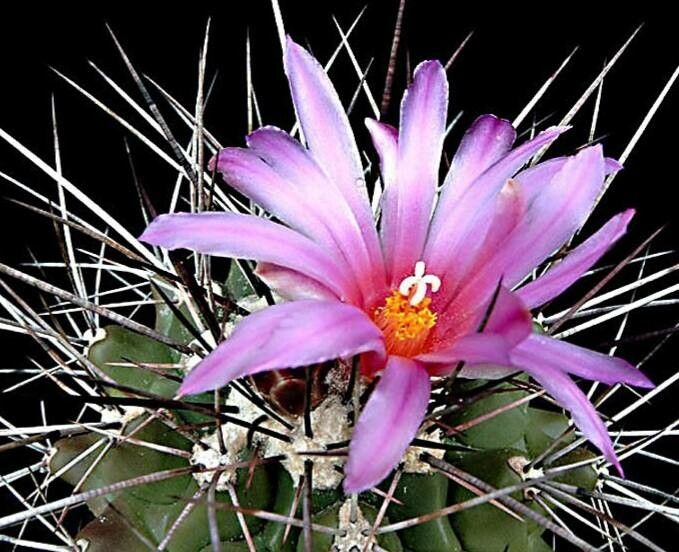
Oh, hello there! Come on in, pull up a chair. I’ve got a fresh pot of coffee brewing, and I’m just bursting to tell you about propagating one of my favorite cacti: the Thelocactus rinconensis.
Why I Love the Thelocactus rinconensis (and Why You Will Too!)
This beauty is just magnificent. It’s got these wonderfully ribbed stems, often adorned with hooked spines that look like they belong in a natural history museum. And when it flowers? Oh my, those vibrant blooms are a sight for sore eyes. Propagating it isn’t just about getting more plants; it’s about extending that beauty, sharing it, and honestly, it’s pretty satisfying to see a tiny offsets grow into its own magnificent specimen. Now, is it a cakewalk for absolute beginners? Perhaps not the very first plant you’d try, but with a little care and a few of my tips, I promise you it’s totally achievable.
When to Get Started
The absolute best time to begin propagating your Thelocactus rinconensis is during its active growing season. Think late spring through summer. This is when the plant is full of vigor, and if you’re taking cuttings, they’ll have the best chance to root and establish themselves before things cool down. Starting a new offset also means it’s less likely to be surprised by a sudden chill.
What You’ll Need to Gather
Before we dive in, let’s make sure we have everything ready. It makes the whole process so much smoother.
- Well-draining potting mix: I like a mix of coarse sand, perlite, and a bit of cactus soil. Think gritty!
- Sharp, clean pruning shears or a craft knife: For clean cuts.
- Rooting hormone powder: Not strictly essential, but it gives a good boost.
- Small pots or trays: With drainage holes, of course.
- Gloves: Those spines can be sharp!
- Newspaper or paper towels: For handling the cactus.
Ways to Grow More of These Beauties
There are a couple of ways to get more Thelocactus rinconensis plants. Most commonly, you’ll be working with offsets, which are the little pups that grow from the base of the main plant.
- Propagating Offsets: This is usually the easiest route.
- First, gently remove the main plant from its pot. If you don’t have any offsets yet, don’t worry – they’ll appear as the plant matures.
- Look closely at the base of your mature Thelocactus rinconensis. You should see small, baby cacti starting to emerge.
- Using your clean pruning shears or knife, carefully separate an offset from the parent plant. Try to get a small bit of root attached to the offset if possible, though it’s not always feasible and they can root from scratch.
- Let the cut end of the offset callous over. This is super important! Place the offset on a dry paper towel in a bright, airy spot for a few days to a week. You’ll see the cut area dry out and form a protective skin.
- Once calloused, pot the offset into your well-draining cactus mix. Don’t water it right away. I usually wait about a week after planting before giving it its first light watering.
My “Secret Sauce” Tips
After years of fiddling around with cacti, a few things have become non-negotiables for me.
- Think “Dry Heat” for Callousing: Don’t just let offsets dry in any old spot. A warm windowsill, away from direct scorching sun, is ideal. The warmth encourages tissue to seal up faster.
- Subtle Watering is Key: When you do start watering, go easy. For offsets, a light misting or watering from the bottom is often enough initially. Don’t drown them! They’re more prone to rot than to thirst when they’re trying to root.
Aftercare and What to Watch For
Once your offset is happily potted and you’ve given it a little drink, patience is your best friend. You’ll know it’s started to root when you see signs of new growth – maybe a little bit of elongation or even the beginnings of new spines.
The biggest thing to watch out for is rot. If the offset looks mushy, bruised, or starts to turn black or brown from the base upwards, it’s probably a goner. This usually happens from too much moisture or not allowing it to callous properly. If you see this, sadly, it’s best to discard it to prevent it from affecting other plants.
Go Forth and Propagate!
See? Not so daunting, is it? Growing new life from your beloved plants is one of the most rewarding aspects of gardening. Be patient with your little Thelocactus rinconensis offsets, give them the right conditions, and soon you’ll have more of these gorgeous cacti to admire. Happy propagating!
Resource: